Description
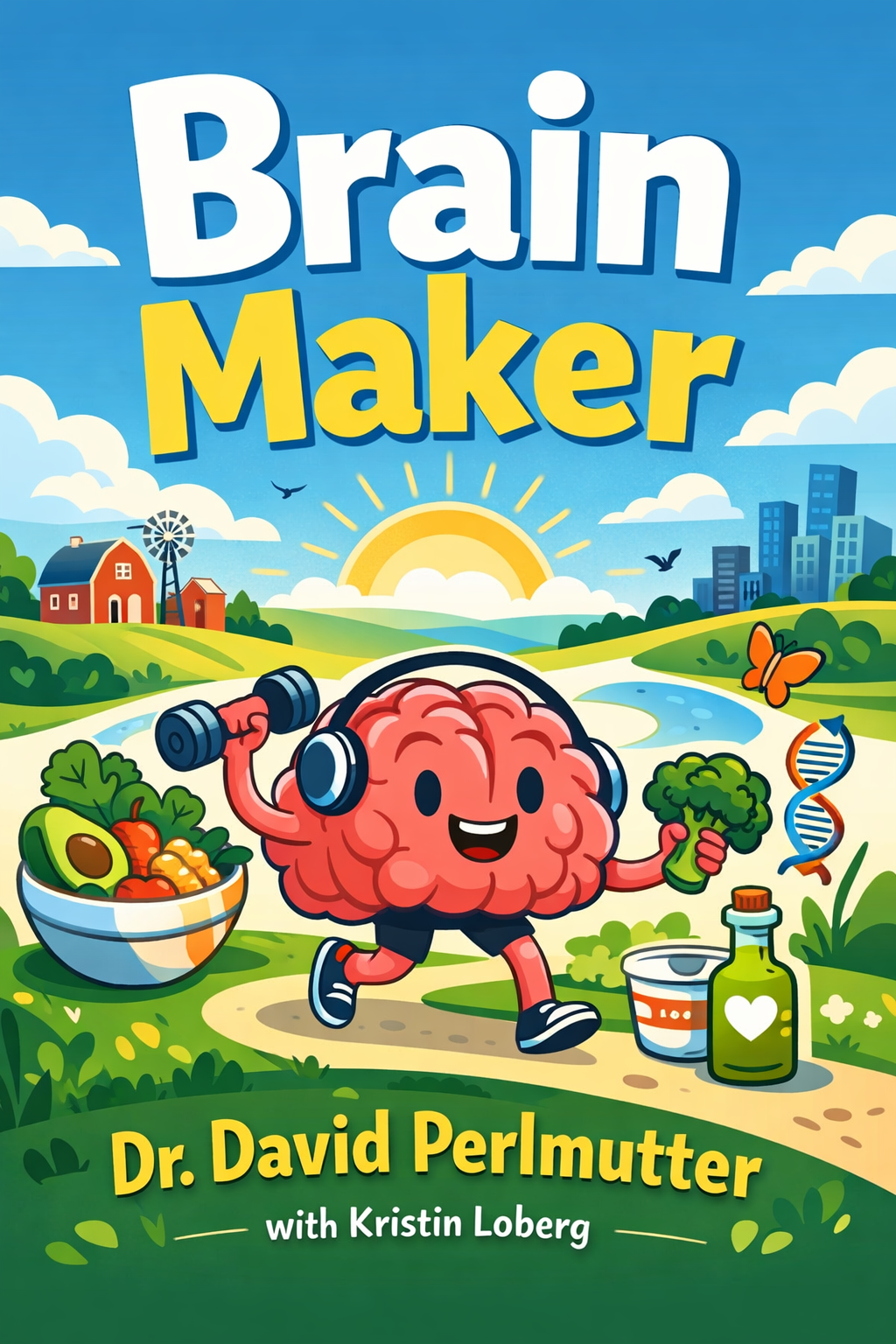
The profound connection between your digestive system and your brain forms the core of a revolutionary understanding of health. This book argues that the vast community of microorganisms living within your intestines—your gut microbiome—acts as a second brain, wielding incredible influence over your physical well-being, mental state, and susceptibility to chronic disease. An imbalance in this delicate internal ecosystem can trigger a cascade of problems, beginning with inflammation and potentially leading to conditions as serious as Alzheimer’s, depression, and autism. The path to optimal health, therefore, may not start in the clinic, but in the kitchen, through the conscious cultivation of beneficial gut bacteria.
Your waistline is one of the first places gut health manifests. The specific balance of bacterial families in your intestines can determine how efficiently you extract calories from food and store fat. Populations with diets high in processed foods tend to host more bacteria adept at harvesting every last calorie, contributing to weight gain and obesity. Conversely, a microbiome rich in diverse, plant-friendly bacteria supports a healthier metabolism. This internal garden also serves as a crucial partner to your liver, helping to neutralize environmental toxins found in food before they can overwhelm your body’s detoxification systems. When your gut flora is compromised, this line of defense weakens, allowing toxins to contribute to systemic inflammation.
Inflammation is the body’s natural defense mechanism, but when it becomes chronic and misdirected, it transforms from protector to perpetrator. This persistent, low-grade fire within the body is now recognized as a root cause of many modern ailments, including diabetes, arthritis, and heart disease. An unhealthy gut is a primary source of this damaging inflammation. If the intestinal lining becomes permeable—a state often called “leaky gut”—bacteria and inflammatory particles can escape into the bloodstream. From there, they can travel throughout the body, even breaching the blood-brain barrier, leading to “leaky brain” and neuroinflammation. Because the brain lacks pain receptors, this inflammation can simmer silently for years, damaging neurons and setting the stage for neurological decline.
This gut-brain axis plays a particularly significant role in brain development. Emerging research suggests that disruptions in the microbiome during early childhood may influence the development of Autism Spectrum Disorder (ASD). Many children with ASD exhibit distinct gut bacterial profiles and digestive issues. Case studies reveal that therapies aimed at healing the gut, such as specific probiotics or even fecal microbiota transplants, have led to remarkable improvements in behavior and cognitive function for some individuals, highlighting the potential for microbiome-focused treatments.
The modern Western diet is essentially a recipe for gut destruction and chronic inflammation. Two major culprits are excessive fructose and pervasive gluten. Fructose, especially in its processed form like high-fructose corn syrup, overwhelms the liver, promotes fat storage, and drives insulin resistance. Gluten, a protein in wheat and other grains, can trigger an inflammatory response in the gut lining even in people without celiac disease, contributing to permeability. Beyond diet, the overuse of antibiotics decimates our microbial allies, while constant exposure to environmental chemicals in plastics, pesticides, and personal care products further strains the system.
The good news is that you have the power to reshape your inner world. The journey to a healthy microbiome begins with removing the harmful elements—cutting back on processed sugars, reconsidering gluten intake, and using antibiotics only when absolutely necessary. The next step is to actively cultivate beneficial bacteria. This involves embracing fermented foods like yogurt, kefir, sauerkraut, and kimchi, which deliver potent probiotics directly to your gut. It also means feeding those good bacteria with prebiotics, found in fibrous foods like garlic, onions, asparagus, and bananas. Incorporating powerful anti-inflammatory agents like turmeric and coconut oil can further support brain and gut healing. Additionally, practices like intermittent fasting give the digestive system a vital rest, allowing it to repair and rebalance.
Ultimately, this book presents a paradigm shift: to care for your brain, you must first care for your gut. By making deliberate choices about what you eat and how you live, you can nurture a resilient microbiome. This thriving internal ecosystem becomes your foundation for lifelong health, sharpening your mind, stabilizing your mood, strengthening your body, and building a formidable defense against the chronic diseases of our time. The path to wellness is paved not with prescription pads, but with probiotics and plants, offering a powerful and empowering approach to taking control of your health destiny.