
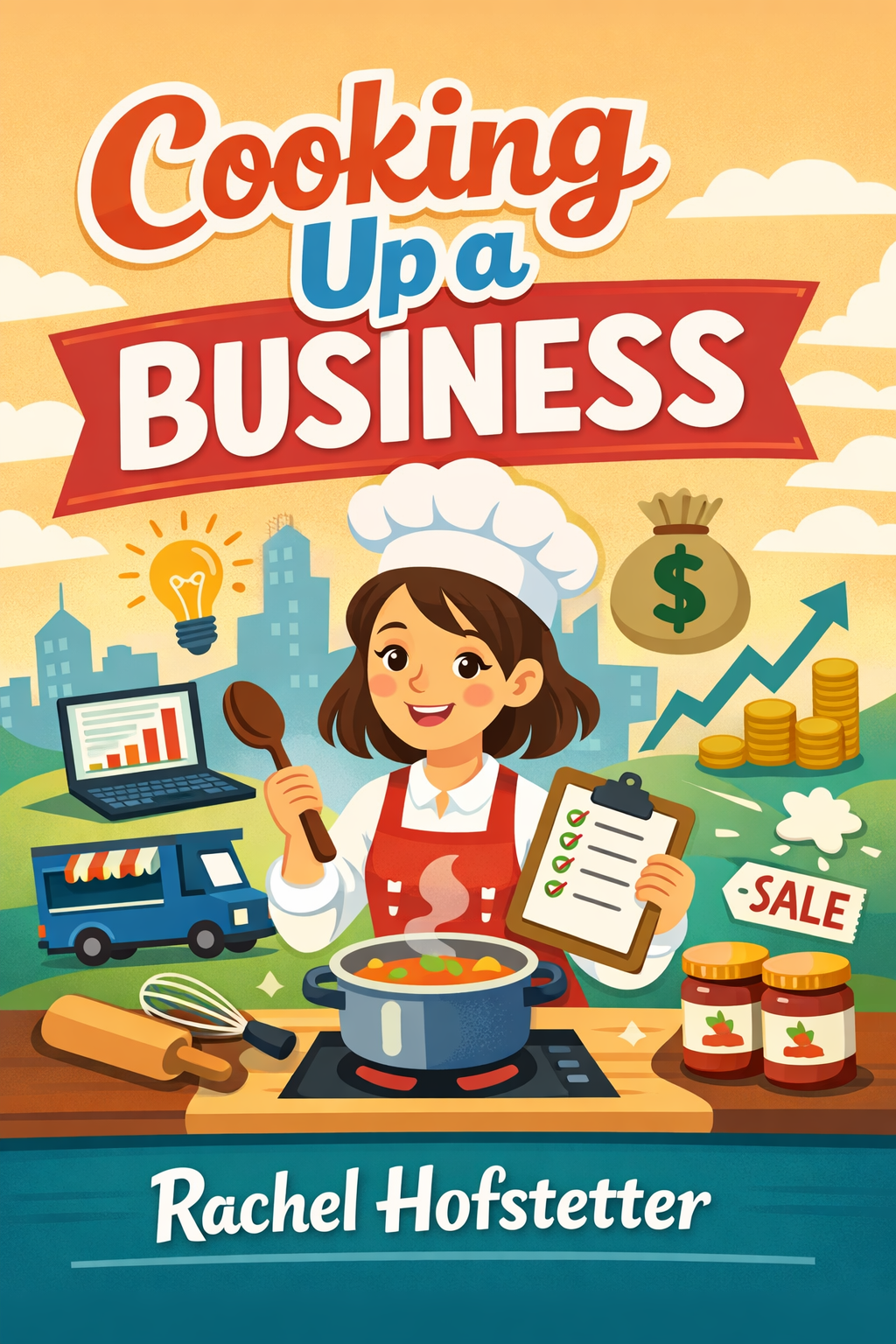
Description
For anyone who has ever tasted a store-bought product and thought, “I could make this better,” the dream of starting a food business is a powerful lure. “Cooking Up a Business” transforms that dream into an actionable roadmap, drawing on the hard-won wisdom of founders who have navigated the exhilarating and often daunting path from home kitchen to supermarket shelf. This book dismantles the myth that you need a perfect plan or a massive bank account to begin. Instead, it argues that passion, paired with resourcefulness and strategic thinking, are the most vital ingredients for success. Through a series of compelling case studies, it reveals how everyday food lovers identified opportunities, overcame formidable obstacles, and built brands that resonate deeply with consumers.
A central theme is the creative power of constraints, particularly a lack of funding. The journey of Love Grown Foods, started by two cash-strapped students, illustrates that limited capital is not a stop sign but an invitation to innovate. By working day jobs and hand-packing granola at night, they proved that sheer effort and a willingness to start small—selling first to local coffee shops—can build a foundation. Their story highlights a crucial, counterintuitive tactic: selling your product before you can mass-produce it. This approach validates demand and generates crucial early revenue without the risk of unsold inventory. As orders grew from a single market to a chain of 40 stores, then 80, their bootstrap mentality allowed them to scale organically until the business could support them full-time.
Interestingly, the book suggests that unwavering certainty about your final product is less important than clarity about your brand’s core identity. Many successful ventures began with a mission that outlasted their initial recipe. Zak Zaidman’s desire to support organic farmers in Costa Rica led him first to banana vinegar, but it was his backup product—chocolate—that ultimately took off. His company succeeded because the authentic story of fair trade and organic integrity remained constant, creating customer loyalty that transcended the specific item on the shelf. Similarly, two mothers pivoted from baby food to children’s fruit snacks, but their brand’s pillars of being genuine, organic, and fun never wavered. This lesson is liberating: you can experiment and adapt your offering, provided you stay true to the underlying values that define why your business exists.
Scaling production presents one of the most significant make-or-break challenges. The transition from a beloved home recipe to a consistent, shelf-stable product for thousands of stores is fraught with complexity. Mary Waldner’s experience with her gluten-free crackers underscores the tension between growth and quality. Outsourcing production to a co-packer accelerated output but compromised her standards, leading her to take the bold step of using venture capital to build her own factory. While this meant slower growth, it ensured the product met her exacting specifications, proving that controlled, deliberate scaling often beats breakneck expansion. Conversely, Phil Anson’s quest to sell fresh burritos wholesale hit a wall due to punishing food safety regulations and distribution hurdles. His pivotal decision to switch to a frozen product line was not a failure but a brilliant strategic shift, acknowledging that scalability must align with practical realities. His brand, Evol, flourished once he adapted his model to the market’s logistical framework.
Financing the grind of a food start-up—with its high production costs, perishable inventory, and slow path to profitability—requires clever solutions beyond traditional loans. The book explores innovative financial tactics like using short-term trade credit from large retailers to fund inventory purchases, a model exemplified by a wine company that buys surplus stock. Another strategy involves leveraging equity creatively. When Justin Gold needed seasoned executive talent he couldn’t afford to pay, he offered a stake in his nut butter company instead, aligning the new partner’s success directly with the company’s growth and bringing invaluable expertise on board. These stories demonstrate that financial ingenuity is as important as culinary creativity.
Ultimately, the product itself can be simple or luxurious, but it must fulfill a genuine need. Kara Goldin created Hint water because she saw a gap in the market for unsweetened, fruit-infused drinks—a simple solution to a common desire for healthier hydration. On the other end of the spectrum, Katrina Markoff founded Vosges Haut-Chocolat to satisfy a need for sophisticated, globally-inspired chocolate for discerning palates bored with overly sweet, artificial options. In both cases, success was rooted in observing an unmet desire and crafting a product with a distinct point of view to fill it.
Finally, building buzz is portrayed as a hands-on, grassroots endeavor. The most effective marketing often comes from letting the product speak for itself through generous sampling and personal storytelling. Getting your creation directly into the hands and mouths of potential customers, whether at trade shows, local markets, or through targeted partnerships, creates authentic advocates. This direct connection, where the founder’s passion and the product’s quality are palpable, can generate powerful word-of-mouth momentum that no impersonal advertising campaign can match. “Cooking Up a Business” concludes not with a fairy tale, but with a realistic empowerment. It acknowledges the long hours, regulatory mazes, and financial pressures, but frames them as solvable puzzles. The book leaves you with the conviction that with a great idea, a resilient spirit, and the practical strategies these entrepreneurs provide, turning your culinary passion into a thriving business is an achievable and profoundly rewarding adventure.