Description
Our modern world, with its climate-controlled environments and constant comforts, has inadvertently weakened us. We have drifted from the evolutionary strengths that allowed our ancestors to thrive in harsh and variable conditions. This disconnect manifests in rising rates of chronic illness, autoimmune disorders, and a general sense of physical fragility. Yet, the blueprint for profound resilience remains within us, dormant but not lost. This exploration reveals how intentionally engaging with elemental stressors—primarily cold and controlled breathing—can reawaken these ancient adaptations, forging a stronger, healthier, and more capable human being.
The journey begins by challenging a core tenet of contemporary life: that comfort equals well-being. Our biology tells a different story. The human body is not designed for stasis; it is a dynamic system that grows stronger through measured challenge. Consider our ancestors, who faced daily fluctuations in temperature and food availability. Their bodies developed sophisticated mechanisms, like brown fat activation for heat production and robust immune responses, to not just survive but flourish. Today, these systems lie largely dormant, silenced by central heating and abundant calories. The premise is that by voluntarily reintroducing these stressors, we can reactivate our innate potential.
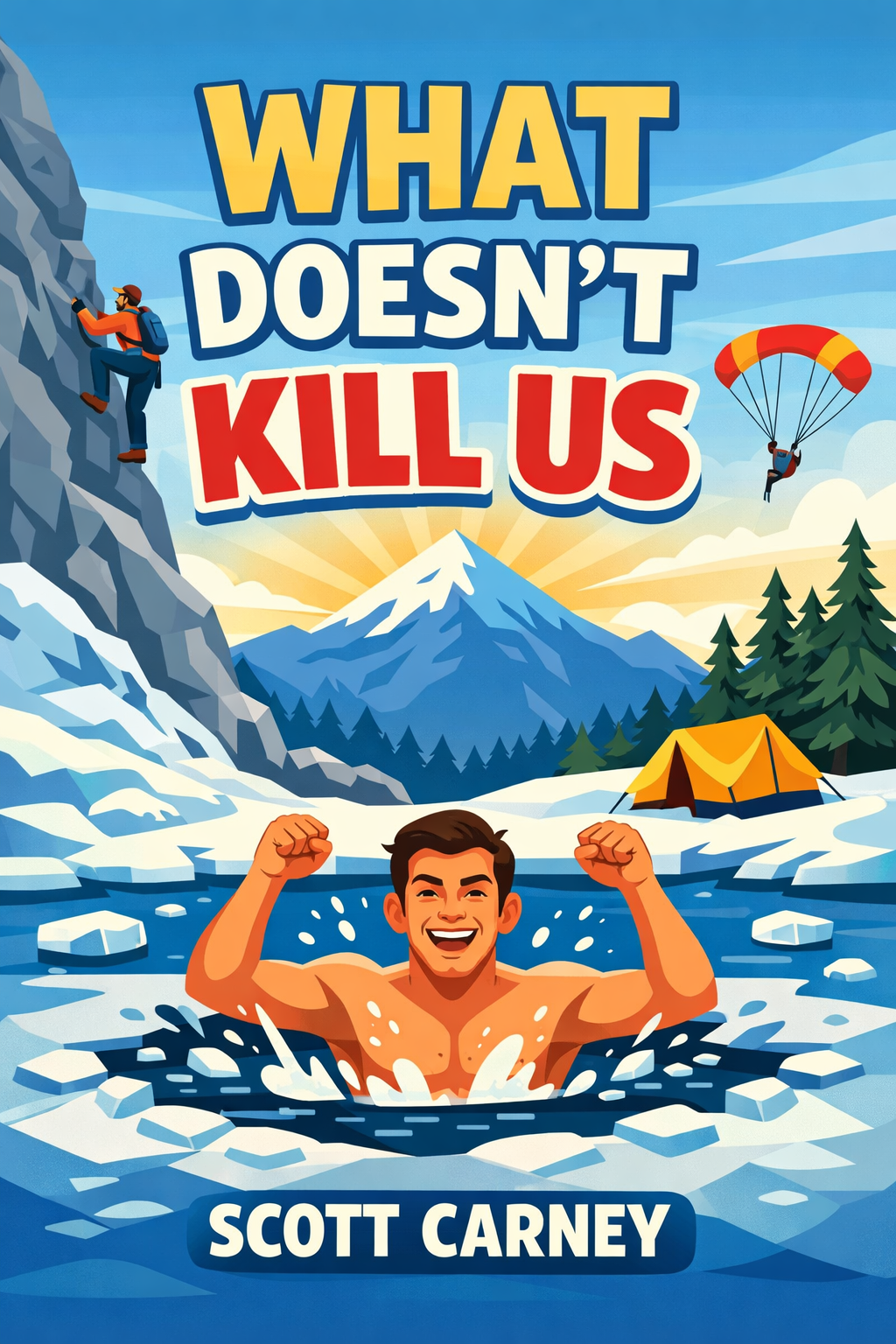
Central to this practice is a method combining specific breathing techniques with gradual cold exposure. The breathing component involves cycles of deep, controlled inhalations and exhalations, followed by periods of breath retention. This process does more than calm the mind; it fundamentally alters blood chemistry, increasing oxygen saturation and alkalinity, which can enhance endurance and reduce inflammation. It creates a mental “wedge,” a space between an instinctive stress reaction and a conscious, controlled response. When paired with exposure to cold—starting with cool showers and progressing to ice baths—the effects compound. The cold acts as a potent trigger for the sympathetic nervous system, the body’s accelerator. Learning to remain calm while submerged in icy water trains the mind to command the body, summoning internal heat by activating brown fat stores, much like reviving a long-unused furnace.
This reclaimed control translates directly to expanded human performance. The principles are tested not in laboratories alone, but in extreme environments and grueling physical challenges. From obstacle course races that demand total mental and physical engagement to the feats of elite athletes who train in frigid waters, the evidence mounts. These individuals demonstrate that the limits we accept are often arbitrary. By conditioning the body to withstand cold and the mind to maintain focus under duress, ordinary people achieve extraordinary endurance, finding that perceived barriers are far more malleable than once believed.
Perhaps the most compelling applications lie in the realm of healing. Beyond athletic prowess, this elemental approach shows promise as a therapeutic tool for chronic conditions. Anecdotal evidence and emerging research suggest that the practice can modulate the immune system, reduce inflammatory responses, and improve neurological function. Individuals managing conditions like rheumatoid arthritis, Crohn’s disease, and Parkinson’s have reported significant improvements in symptoms and quality of life after adopting a regimen of breath work and cold exposure. The mechanism appears to be a resetting of the body’s stress and immune pathways, using the acute, voluntary stress of the cold to build resilience against the chronic, debilitating stress of disease. It represents a return to a kind of natural medicine, where the therapy is found not in a pill but in a purposeful engagement with the environment.
This path is not about reckless endurance or masochistic suffering. It is a disciplined, gradual practice of reacquainting oneself with the natural world and the powerful organism we inhabit. It argues that by stepping outside our cushioned bubble and voluntarily facing the bite of the cold or the demand of controlled breath, we do not harm ourselves. Instead, we initiate a profound conversation with our own biology, reminding our cells of their deep capacity for adaptation and strength. The ultimate message is one of empowerment: that within each of us lies an untapped reservoir of vitality, waiting to be unlocked not by more technology or convenience, but by the simple, ancient power of the elements.