Description
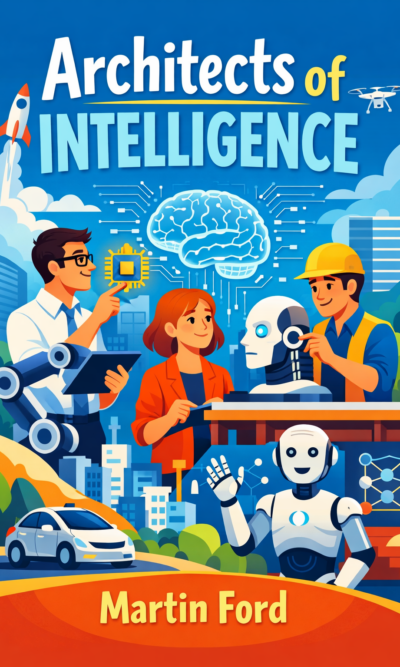
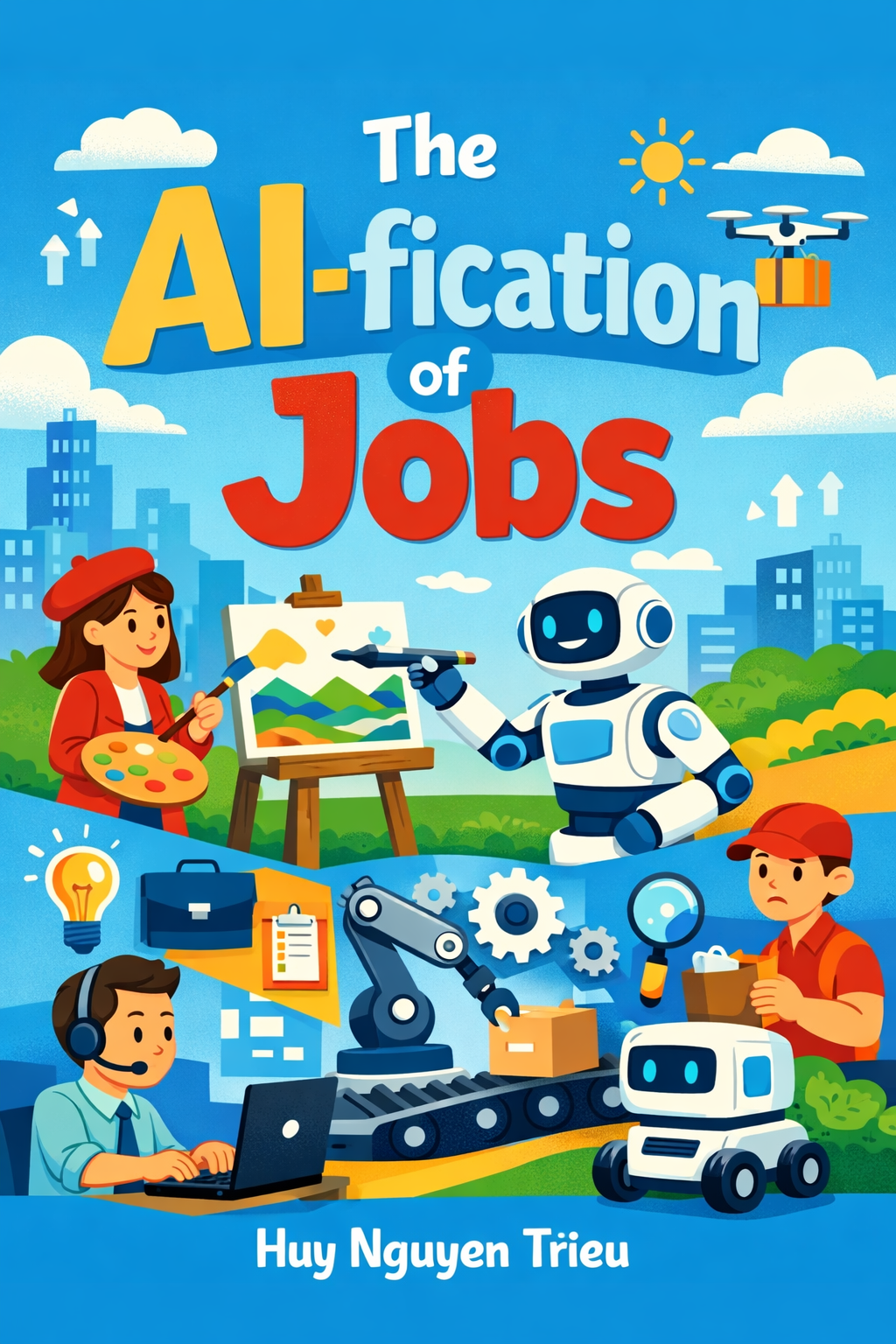
The landscape of work is undergoing a seismic shift, not through a sudden replacement of humans by machines, but through a gradual, pervasive process the author terms “AI-fication.” This is the embedding of artificial intelligence into the very fabric of jobs, transforming tasks, roles, and required skills. The book argues that the future belongs not to those who compete with AI, but to those who learn to collaborate with it, augmenting human creativity and judgment with machine speed and analysis.
The journey begins by demystifying what AI truly is and is not. It moves beyond the hype of science fiction to explain the practical realities of machine learning, natural language processing, and robotic process automation. These are not monolithic forces but tools, each with specific strengths and limitations. Understanding these fundamentals is the first step in losing fear and gaining agency. The AI-fication process is then mapped across different industries, from the obvious realms of data analysis and manufacturing to the surprising transformations in creative fields, healthcare, and management. The pattern is consistent: repetitive, predictable tasks are automated, freeing human attention for more complex, ambiguous, and interpersonal work.
A core premise of the book is that every job, from accountant to artist, can be broken down into a series of tasks. The key to future-proofing a career is to audit your own role through this lens. Which tasks are purely procedural and data-heavy, ripe for AI assistance or automation? Which tasks require emotional intelligence, ethical reasoning, strategic vision, or creative spark? The future of most professions lies in the latter category. The book provides practical frameworks for conducting this personal audit and identifying the “human edge” that remains uniquely valuable.
With this understanding, the focus shifts to adaptation. The author introduces the concept of “augmented intelligence,” the powerful synergy of human and machine. This involves developing new literacies: data literacy to interpret AI outputs, technological literacy to understand system capabilities and biases, and, crucially, “prompt craft” – the art of effectively communicating with AI systems to get the best results. The book is filled with exercises and scenarios showing how a marketer, an engineer, or a teacher might partner with AI tools to enhance their output, making their work more insightful and impactful.
Inevitably, this transformation raises profound questions about ethics, bias, and the human experience of work. The book tackles these head-on, examining how algorithmic bias can perpetuate inequality if left unchecked and discussing the ethical responsibilities of those who design and deploy AI systems. It also addresses the potential for job displacement, advocating not for a naive optimism but for a proactive strategy centered on continuous learning and social safety nets. The goal is not just economic efficiency but the creation of more meaningful work, where people are elevated from mundane tasks to focus on problem-solving, innovation, and human connection.
Ultimately, the book is a call to proactive evolution. The AI-fication of jobs is not a distant forecast; it is happening now. Success requires a mindset shift from seeing AI as a threat to viewing it as the most powerful toolkit ever invented. By embracing lifelong learning, cultivating irreplaceably human skills, and strategically integrating AI into our workflows, we can navigate this transition. The conclusion is hopeful but clear: the future will be built by those who can think with machines, not against them, designing a new world of work that leverages the best of both human and artificial intelligence.