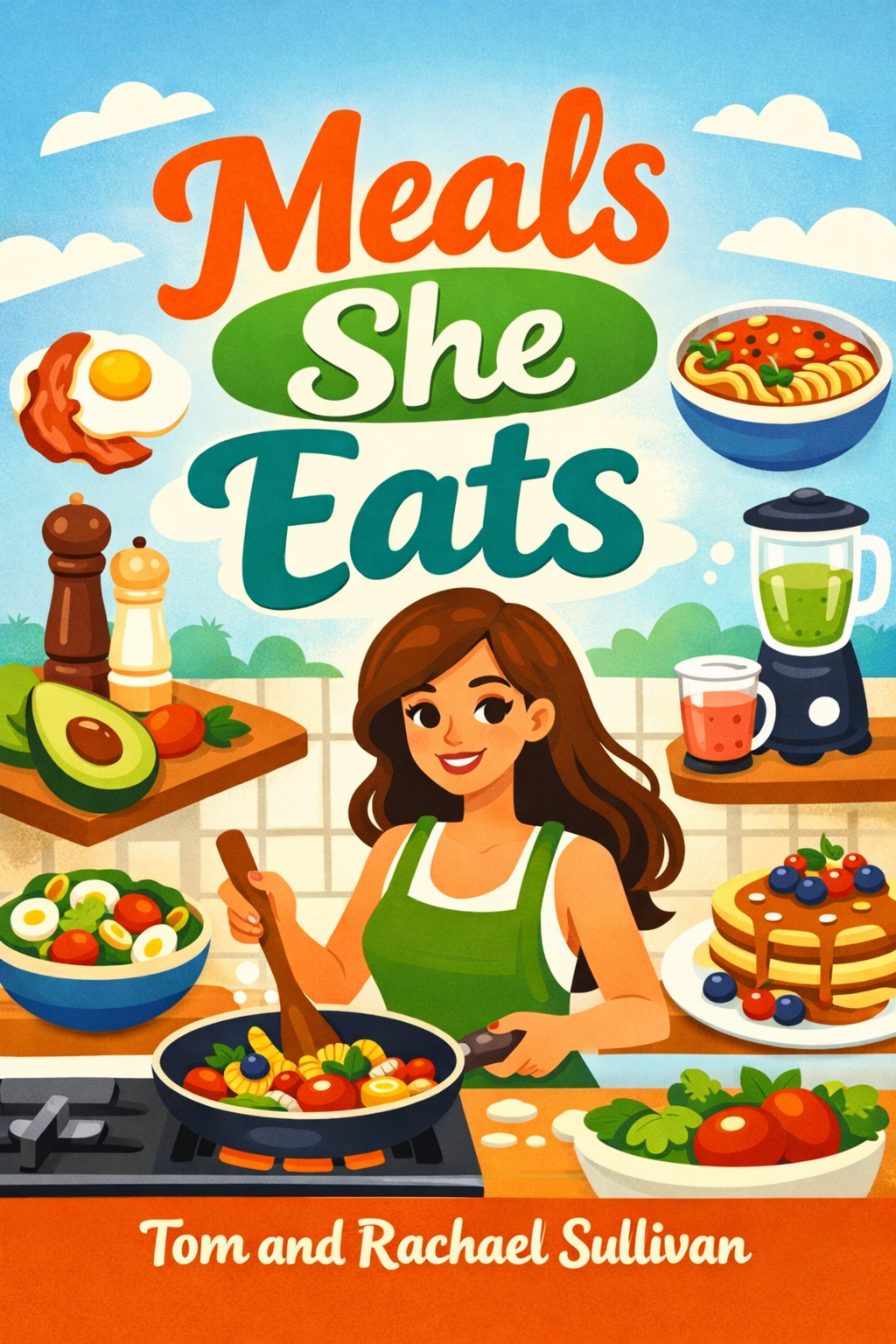
Description
For many women, the frustrating and often painful symptoms of polycystic ovary syndrome—irregular periods, unexplained weight gain, acne, fatigue, and more—feel like an inescapable reality. “Meals She Eats” presents a powerful alternative to passive suffering: a strategic, food-first approach to reclaiming your health. This guide moves beyond generic diet advice, offering a revolutionary framework that aligns your nutrition with your body’s natural rhythms. The core philosophy is that while PCOS has no cure, its symptoms can be profoundly managed and mitigated by understanding your hormonal cycle and feeding your body precisely what it needs at each distinct phase.
The journey begins with a clear foundation. Understanding PCOS is the first critical step. It’s a hormonal disorder characterized by an imbalance that elevates androgens (male hormones), which can disrupt ovulation and the menstrual cycle. Diagnosis typically follows specific criteria, including irregular periods, the presence of ovarian cysts, and elevated androgen levels. Management requires a holistic partnership with a healthcare provider, especially one attuned to your personal goals, whether that’s conception or simply symptom relief. Lifestyle adjustments, from choosing the right exercise for each cycle phase to eliminating endocrine-disrupting chemicals from your home, form a crucial part of the battle. However, the most potent tool at your disposal is the food on your plate.
The book argues that every morsel you eat communicates with your hormones. Therefore, establishing lifelong, nourishing eating habits is non-negotiable. The foundational dietary principles advocate for a shift toward whole, natural foods. The emphasis is on vegetables, fruits, and high-quality animal proteins from pasture-raised and grass-fed sources. Conversely, the strategy involves eliminating common inflammatory triggers and hormone disruptors. This means removing dairy, soy, gluten, refined sugars and carbohydrates, processed vegetable oils, processed meats, and alcohol from your pantry. This isn’t a sentence to a life of bland deprivation; it’s an invitation to culinary creativity. The guide encourages discovering satisfying swaps, like gluten-free pasta from almond flour, using natural sweeteners like honey, and preparing homemade condiments to avoid hidden industrial ingredients. Becoming a vigilant label reader is part of the empowerment, helping you avoid inflammatory additives like sulfites and carrageenan.
The truly transformative element of this approach is cycle-syncing your nutrition. The menstrual cycle is divided into four phases—menstrual, follicular, ovulatory, and luteal—each with unique hormonal profiles and physical demands. “Meals She Eats” provides tailored nutritional guidance for each. The menstrual phase focuses on replenishment. As the body sheds its uterine lining, the priority is on restoring iron and zinc with foods like seafood and red meat. Meals should be lightly cooked and easy to digest, such as a nourishing miso soup with kale and tofu or simply prepared baked king crab legs.
As you enter the follicular phase, hormone levels begin to rise as the body prepares eggs. Nutrition here supports this building energy, advocating for a balanced mix of carbohydrates, proteins, and fats through thoroughly cooked meals. Recipes like a hearty, make-ahead gluten-free macaroni salad or a vibrant skillet dish of chicken with pomegranate seeds and green beans provide the sustained energy needed for this phase of renewal.
The ovulatory phase is a window of peak energy and fertility. The goal is to support liver function in processing excess hormones and to nurture egg health with fiber-rich, detoxifying foods. Raw fruits and vegetables take center stage, along with libido-enhancing foods like dark chocolate and strawberries. Preparation methods like juicing, steaming, and blending are ideal. Meals are light and vibrant, such as an avocado toast topped with fresh strawberries and red onion, designed to align with the body’s cleansing and energetic peak.
Finally, the luteal phase precedes menstruation, a time when energy may wane and cravings often surge. The nutritional focus shifts to supporting mood stability and preparing the body for the next cycle. This involves emphasizing healthy fats, complex carbohydrates, and specific nutrients like magnesium and B vitamins. The book suggests comforting, grounding meals that satisfy cravings healthfully, helping to navigate this premenstrual period with greater ease and fewer symptoms.
“Meals She Eats” is more than a cookbook; it is a manual for a new way of living with PCOS. It provides a structured yet flexible plan, complete with specific recipes and cooking methods for each cycle phase. It acknowledges that cycles can be irregular and offers a practical starting framework for those without a period, advising them to begin with the follicular phase and proceed through a typical cycle timeline until their own rhythm is restored. By turning food into targeted medicine and aligning eating habits with the body’s innate wisdom, this guide offers a path toward hormonal harmony, reduced symptoms, and a renewed sense of control over one’s health and well-being.