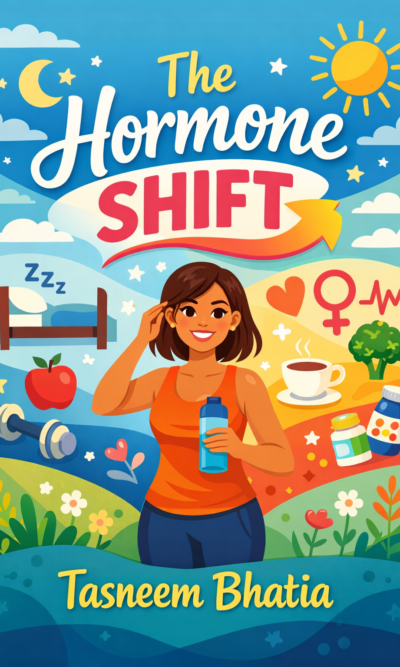
Description
In a world that often pushes us to prioritize external demands over internal needs, the journey to personal fulfillment begins with a fundamental shift: treating self-care not as a luxury, but as the essential foundation for a purposeful life. This book presents a compassionate and practical framework for this transformation, structured around four core pillars that work in harmony. It argues that true wellness isn’t found in a single action but in the symbiotic relationship between caring for the body, nurturing the mind, and feeding the spirit. Through personal reflection and grounded advice, the narrative makes a compelling case that by investing in these areas, we don’t just improve our health—we unlock our highest potential and creativity.
The first pillar, nutrition, is framed not as a regimen of restriction but as a conscious practice of nourishment. The journey begins with an honest look at cultural and familial relationships with food, acknowledging how deeply our diets are tied to memory and community. The transition from a diet heavy in comfort foods to one centered on plant-based vitality is portrayed as an evolution of awareness. This shift is about more than physical health; it’s presented as a direct way to elevate energy, sharpen mental clarity, and express respect for one’s own body and the wider world. The act of choosing what to eat becomes a daily ritual of self-respect, where each meal is an opportunity to fuel not just the body, but also one’s intentions and creative capacity.
Physical movement forms the second pillar, extending far beyond the goal of fitness. Exercise is recast as a discipline of resilience and a moving meditation. The narrative connects the dots between the early lessons of teamwork and perseverance learned through sports and the adult practice of maintaining physical conditioning. It highlights how consistent movement—whether in a gym, on a walk, or through dance—becomes a keystone habit that influences all other areas of life. The emphasis is on the feeling that follows exertion: the mental fog that lifts, the emotional weight that lightens, and the profound sense of capability that emerges. This practice is shown to build not just muscle, but also the mental fortitude required to pursue creative and personal goals.
The third pillar delves into mental care, championing creativity as its primary engine. Here, mental well-being is actively cultivated through practices of expression, not merely through the absence of stress. The act of creating—whether through writing, music, art, or any other form—is described as a sacred dialogue with the inner self. It is a process of listening to and giving form to the whispers of the subconscious, which in turn fosters healing, self-understanding, and joy. This creative practice is essential for processing experiences, connecting with others, and maintaining a flexible, inspired mind. It is framed as a non-negotiable component of wellness, as vital as physical training, for keeping the inner landscape fertile and open.
Finally, the exploration turns to spiritual connection, the pillar that gives context and depth to all the others. Spirituality is broadly and inclusively defined as the personal pursuit of meaning and connection to something greater than oneself. This might be found in organized religion, meditation, nature, or acts of service. The key insight is that when nutrition, exercise, and creativity are infused with intention, they themselves become spiritual practices. This perspective transforms daily routines into rituals of alignment, where eating well honors the body as a vessel, exercise becomes a celebration of its capabilities, and creativity reflects the divine spark of imagination. This integrated view suggests that a spiritual foundation makes the entire structure of self-care coherent and sustainable.
In synthesis, the book’s message is one of holistic integration. These four pillars are not separate checklists but interconnected strands of a single, vibrant lifeline. Nourishing food supports the energy for movement; a clear and creative mind is fostered by a healthy body; and a sense of spiritual purpose gives meaning to all these efforts. The ultimate goal is a state of balanced elevation where one is physically vital, mentally sharp, creatively expressive, and spiritually grounded. This is the path to rising into your most authentic and powerful self, demonstrating that true self-care is the most profound work you can do—for yourself and for the world you engage with.