Description
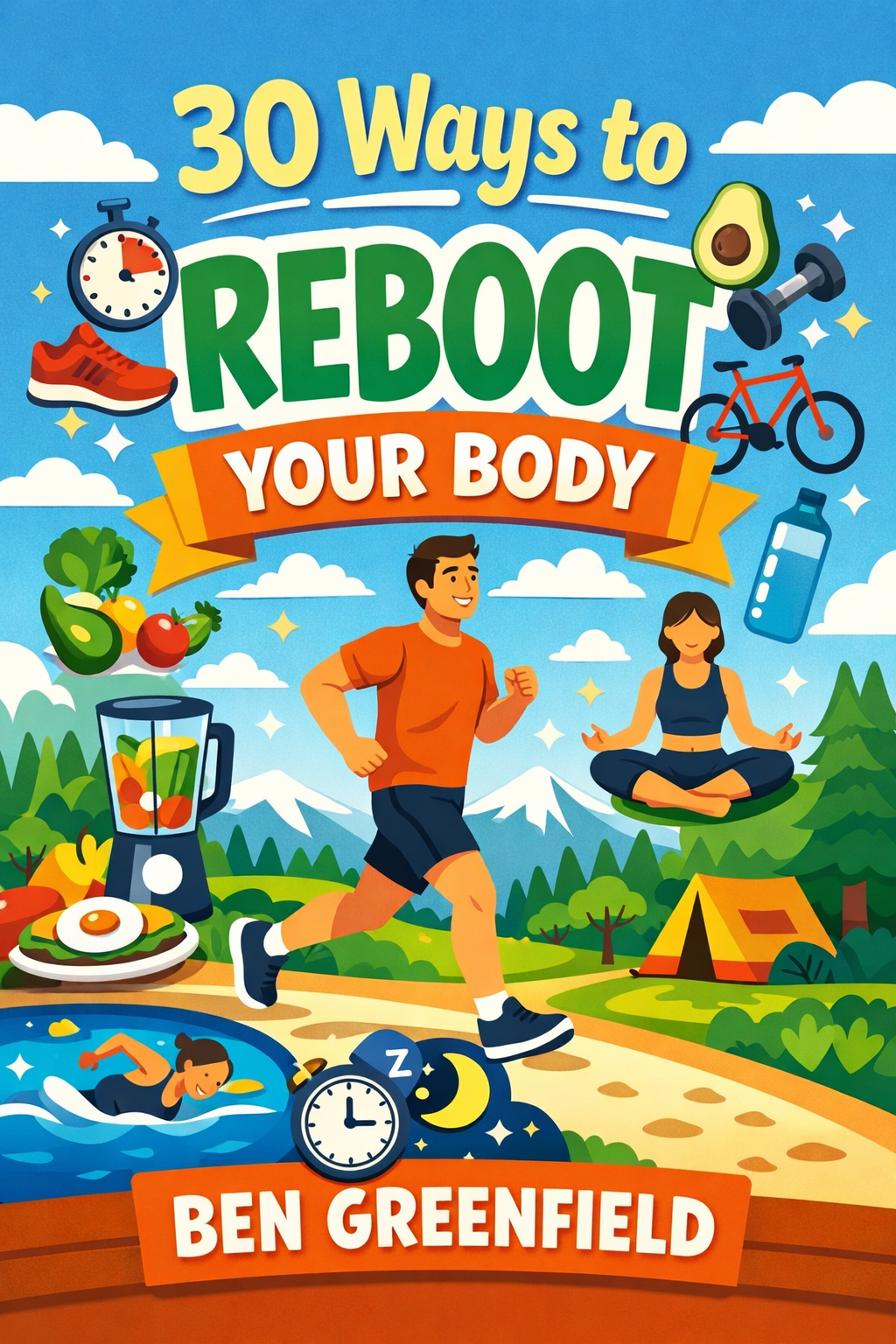
This book presents a holistic and accessible approach to physical well-being, moving beyond quick fixes and rigid diets to focus on foundational, sustainable change. The core philosophy is that rebooting your body isn’t about punishment or perfection, but about creating a series of small, manageable shifts that compound into significant transformation. It argues that our modern lifestyles often lead to a state of low-grade system fatigue—a body running on outdated software—and provides the tools for a gentle yet effective reset.
The journey begins with the concept of listening to your body’s inherent signals. The book encourages readers to become detectives of their own well-being, tuning into cues for hunger, fatigue, stress, and energy. This foundational awareness is framed as the critical first step, as it allows for personalized adjustments rather than following one-size-fits-all rules. From this place of awareness, the guide systematically explores four interconnected pillars: nourishment, movement, restoration, and environment.
In the realm of nourishment, the focus is decisively on quality and rhythm rather than restrictive calorie counting. Strategies include hydrating strategically throughout the day, not just when thirsty; incorporating more whole, plant-based foods to naturally crowd out processed items; and understanding the role of different nutrients as fuel and building blocks. It introduces concepts like “eating the rainbow” for phytonutrient diversity and offers gentle frameworks for structuring meals to support steady energy, without labeling foods as strictly “good” or “bad.” The emphasis is on creating a positive, nourishing relationship with food.
The movement pillar redefines exercise as any form of joyful physical expression that gets the body humming. It strongly advocates for breaking up prolonged sitting with “movement snacks”—short bursts of activity like walking, stretching, or taking the stairs—which are shown to be remarkably effective for metabolism and circulation. The book suggests finding activities that feel like play, whether it’s dancing, hiking, gardening, or structured sports, and stresses consistency over intensity. It also delves into the importance of functional strength and mobility work to maintain the body’s resilience and prevent pain.
Perhaps the most critical section addresses restoration, highlighting sleep and stress management as non-negotiable components of physical health. The book provides a toolkit for improving sleep hygiene, such as crafting a calming pre-bed ritual and optimizing the sleep environment for darkness and coolness. For stress, it offers a variety of down-regulation techniques, from focused breathing exercises and meditation to spending time in nature and engaging in creative hobbies. The message is that the body cannot heal and rebuild in a constant state of high alert; dedicated downtime is essential for the reboot to take hold.
Finally, the environment pillar examines the physical and digital spaces we inhabit. It discusses simple detoxification of personal care and household products, the benefits of fresh air and natural light, and the importance of creating a calming, clutter-free home sanctuary. It also tackles the often-overlooked issue of digital pollution, suggesting boundaries with screen time to reduce mental clutter and the physiological stress of constant connectivity.
Throughout, the tone is empowering and compassionate, acknowledging that progress is rarely linear. It includes strategies for navigating setbacks, building a supportive community, and cultivating a mindset of self-compassion. The “30 ways” are presented not as a strict checklist to be completed in order, but as a menu of options to be experimented with and integrated gradually. The ultimate goal is to equip the reader with the knowledge and confidence to become the ongoing curator of their own health, leading to a body that feels energized, resilient, and fully alive.