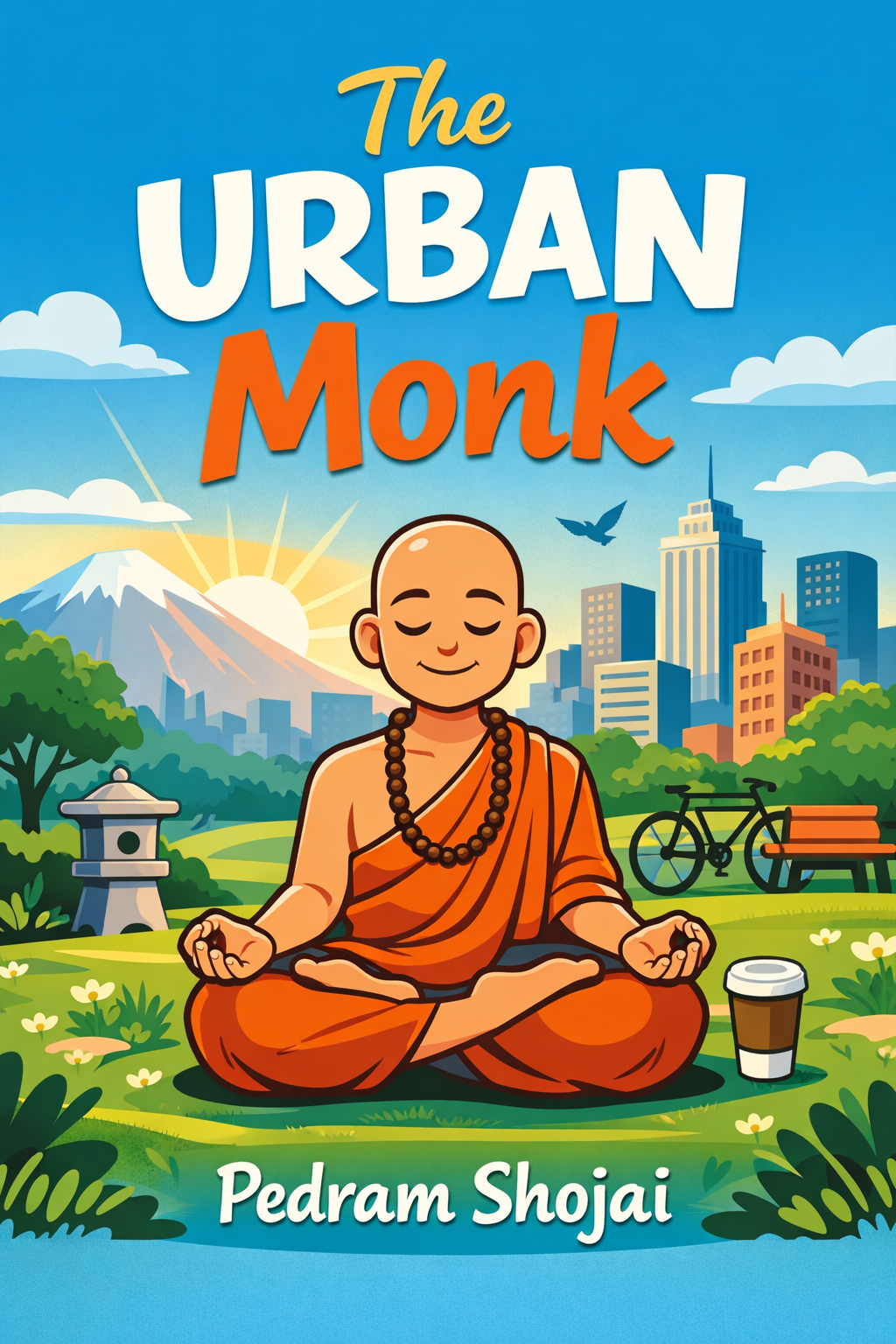
Description
In an age of constant connectivity and overwhelming demands, the search for peace often feels like a distant fantasy reserved for hermits or retreats. This book proposes a different path, one that does not require abandoning responsibilities or escaping to a mountaintop. It introduces the concept of integrating the profound wisdom of monastic traditions into the hustle of everyday urban existence. The core argument is that stillness, discipline, and profound meaning are not locations to escape to, but skills to be cultivated amidst the noise. The modern seeker can become a different kind of monk—one whose temple is the city street, the office, and the home.
The journey begins with a fundamental reassessment of our relationship with time and energy. The modern world operates on a currency of busyness, equating constant activity with worth. This creates a state of chronic fatigue and spiritual depletion. The alternative presented is a philosophy of purposeful presence. It involves ruthless prioritization, not of tasks, but of one’s own vitality. The reader is guided to audit their energy expenditures, identifying the people, habits, and digital interactions that drain them versus those that nourish. This is not mere time management; it is life energy management. By consciously designing rituals that protect and replenish this energy—moments of quiet before the day begins, intentional digital fasts, mindful transitions between work and home—one builds an inner sanctuary that travels with them.
Physical vitality is presented not as a vanity metric for the gym, but as the essential foundation for a focused and calm mind. The teachings draw from ancient movement arts, emphasizing that the body is the primary vehicle for our experience. Practical, accessible exercises are outlined, designed to be woven into small pockets of time. These are not grueling workouts, but mindful practices to release the tension accumulated from hours at a desk, to strengthen the core for better posture and breathing, and to flood the system with vitality. The focus is on functional movement that counteracts the specific stresses of urban life, rebuilding the body as a resilient and grounded instrument for the spirit.
The most transformative tools offered come from the realm of mindfulness and meditation, stripped of esoteric mystery and presented as practical mental technology. The book demystifies the practice, showing how even minutes of focused attention on the breath can reset a frazzled nervous system. It extends this mindfulness beyond the cushion into active meditation: being fully present while walking through a crowd, listening intently to a colleague, or even during mundane chores like washing dishes. This practice of acute presence begins to dissolve the anxiety about the future and regrets about the past, anchoring the individual in the only moment that ever exists: now. From this place of calm awareness, reactions become responses, and chaos becomes manageable.
Ultimately, the philosophy culminates in the discovery of a deeper purpose. A monk’s life is oriented around a central, animating purpose—often a spiritual connection. The book guides the reader to uncover their own “sacred intent” within their secular life. This is not about finding a single grandiose destiny, but about infusing everyday actions with meaning. It asks: How can your work be of service? How can your relationships be more compassionate? How can you find awe in the ordinary? By connecting daily routines to a larger sense of contribution and connection, life stops being a series of tasks and starts becoming a coherent, meaningful narrative. The urban monk is thus forged: a person who moves through the chaos of the world with a calm center, a resilient body, a focused mind, and a heart aligned with purpose, proving that enlightenment is not an escape from the world, but a way of being fully within it.