Description
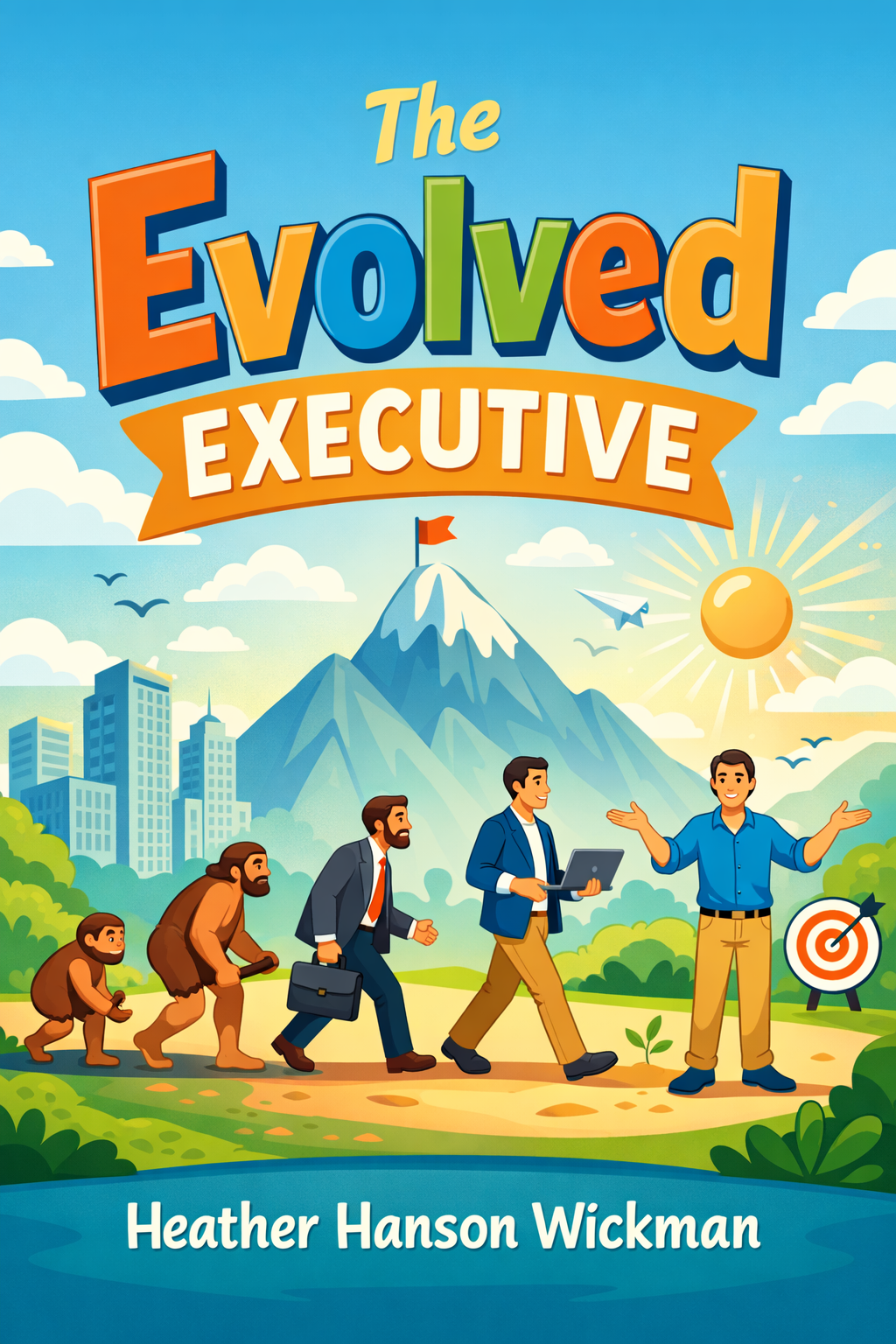
The landscape of leadership is undergoing a profound transformation, demanding a new breed of executive who moves beyond the outdated models of command and control. This text serves as a roadmap for this evolution, arguing that the most effective leaders of tomorrow are those who integrate a deep understanding of human behavior, foster genuine connection, and build organizations that are as adaptable as they are principled. It begins by dismantling the myth of the infallible, solitary leader, proposing instead a model of the “evolved executive”—one who is self-aware, emotionally intelligent, and sees their primary role as an enabler of collective potential.
Central to this philosophy is the application of insights from neuroscience and psychology. The book delves into how the human brain responds to stress, reward, trust, and uncertainty within a work environment. It explains that traditional, fear-based management tactics activate primal threat responses in employees, stifling creativity, collaboration, and cognitive function. The evolved executive learns to create conditions of psychological safety, a state where team members feel secure enough to take risks, voice dissent, and innovate without fear of reprisal. This is not about being soft; it’s about being smart, leveraging the brain’s natural social wiring to unlock higher performance, loyalty, and well-being.
This neurological foundation supports the book’s core practical frameworks. The evolved executive masters the art of cultivating resilience, both within themselves and their teams. This involves moving from a rigid, goal-obsessed mindset to a more agile, purpose-driven approach. Leaders are guided on how to set clear, meaningful direction while empowering autonomous decision-making, creating a dynamic where teams can navigate volatility without constant top-down instruction. The text emphasizes the critical skill of strategic empathy—the ability to understand the motivations, fears, and aspirations of stakeholders at all levels, not as a passive exercise, but as a strategic tool for alignment and influence.
Furthermore, the book addresses the structural and cultural shifts necessary to sustain this new leadership. It explores how to design organizational systems that reward collaboration over internal competition, learning over blame, and long-term value creation over short-term metrics. The evolved executive is a architect of culture, intentionally shaping rituals, communication norms, and feedback mechanisms that reinforce trust and transparency. This includes rethinking traditional performance management, moving from annual reviews to ongoing, developmental conversations that fuel growth.
A significant portion of the work is dedicated to the leader’s own inner journey. Sustainable external evolution is impossible without internal work. The text provides tools for leaders to develop greater self-regulation, mindfulness, and cognitive agility. It challenges executives to confront their own biases, blind spots, and fixed mindsets, arguing that authentic leadership stems from this continuous self-reflection. By managing their own inner state, leaders can make clearer decisions under pressure, communicate with more compassion and clarity, and model the behaviors they wish to see throughout the organization.
The narrative also tackles the imperative of ethical stewardship and legacy. In an era of heightened scrutiny, the evolved executive recognizes that profit and purpose are not opposing forces but synergistic elements. Leadership is framed as a responsibility to all stakeholders—employees, customers, communities, and the environment. The book discusses strategies for embedding ethical considerations into every strategic decision, building brands and companies that earn trust through integrity and contribute positively to the world. This focus on legacy shifts the executive’s perspective from quarterly earnings to generational impact.
Ultimately, this guide is a call to action for leaders who feel the inadequacy of old methods in a new world. It synthesizes a vast body of research into a coherent, actionable philosophy. The path of the evolved executive is presented not as a simple checklist, but as a continuous practice of learning, adapting, and connecting. It concludes that the future belongs not to the strongest or smartest individuals in the room, but to those who can best harness the collective intelligence, passion, and humanity of the people around them, building organizations that are not only successful but also sustainable and soulful.