Description
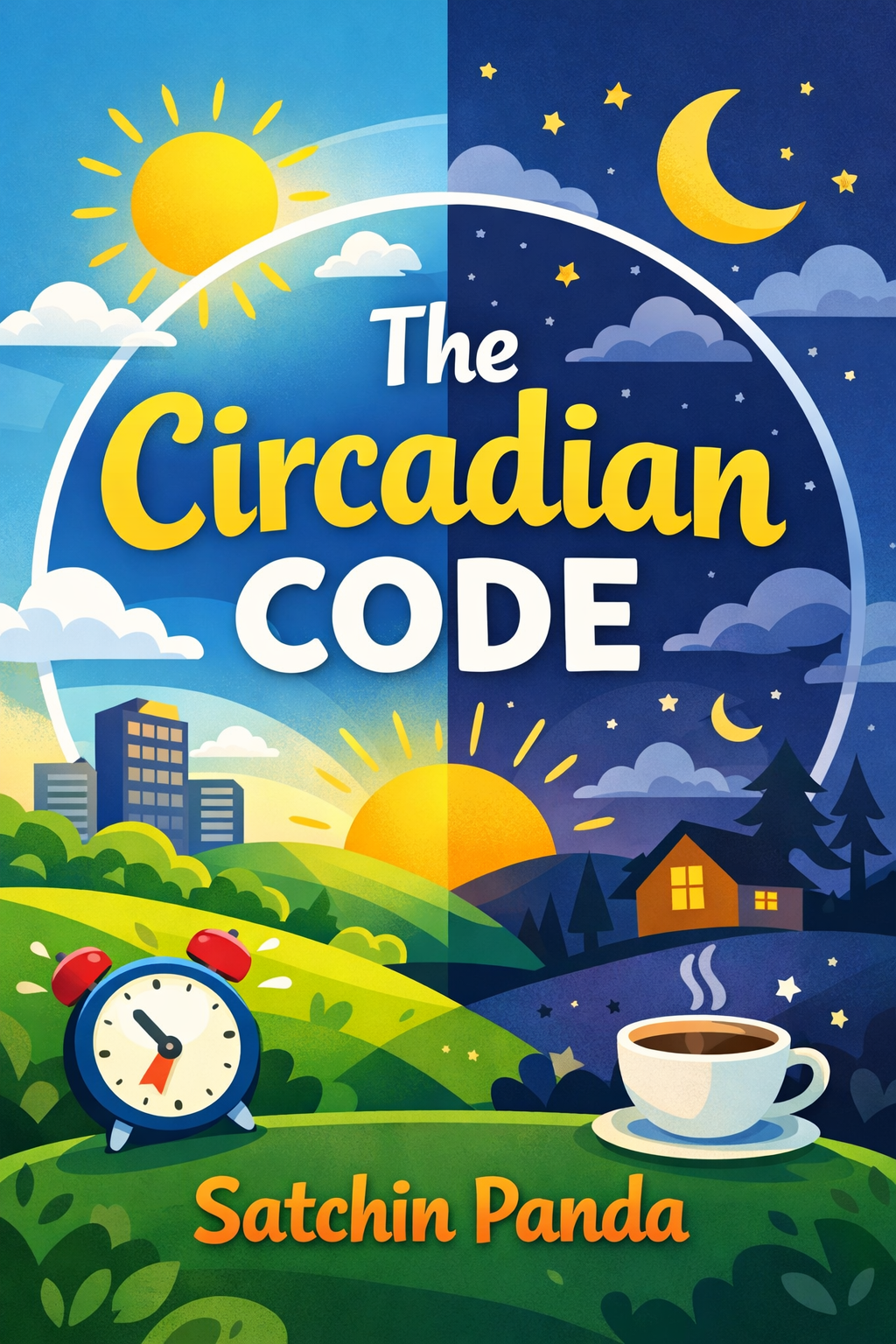
Modern life has pulled us away from the natural cycles of light and dark that have governed life on Earth for millennia. This book reveals that our health is deeply entwined with these rhythms, governed by an intricate internal timekeeping system present in every organ and cell. By understanding and respecting this “circadian code,” we can transform our well-being from the inside out.
For most of human history, our days were dictated by the sun. The invention of artificial light, and especially the pervasive glow of screens, represents a profound departure from this natural order. Our bodies are still programmed to align with daylight, but constant exposure to light—particularly the blue light emitted by phones and computers at night—fools our internal clocks. Specialized cells in our eyes signal to a master clock in the brain, suppressing the sleep hormone melatonin and telling our bodies it is still daytime. This chronic disruption is not just about poor sleep; it is linked to a higher risk of obesity, diabetes, depression, and even cancer, as seen in populations like shift workers whose schedules are perpetually out of sync.
This master clock is more than a simple sleep-wake regulator. It acts as a conductor for a vast genomic orchestra, turning thousands of genes on and off in a precise daily sequence within every tissue. When we disrupt our schedule with late nights, erratic meals, or irregular light exposure, this symphony descends into chaos. Genes responsible for digestion, metabolism, cell repair, and immune function activate at the wrong times, leading to inefficient processing and long-term wear and tear. The key to harmony lies in consistent daily cues, primarily light and food. Waking with natural morning light resets the master timepiece, while eating breakfast signals to peripheral clocks in organs like the liver to begin their metabolic routines for the day.
Three core behavioral rhythms are fundamental to locking this system into place: sleep, eating, and activity. Quality sleep of seven to nine hours is non-negotiable for cellular repair and brain maintenance. Consistency is as important as duration; varying bedtimes confuse your body’s expectations. The timing of meals is equally critical. Eating at consistent times, especially a morning meal, allows organs to prepare for and efficiently process nutrients. Late-night eating is particularly harmful, as it delays the body’s overnight fasted state, a period dedicated to cleansing and fat-burning, thereby promoting weight gain and metabolic dysfunction. Physical activity, ideally performed during daylight hours, strengthens these rhythms. Exercise not only improves sleep quality but also helps regulate hormonal and metabolic cycles, making it a powerful tool for circadian alignment.
The brain is perhaps the most striking example of this rhythmic precision. A tiny region called the suprachiasmatic nucleus serves as the body’s master pacemaker, coordinating everything from hormone release to alertness. Disrupting its rhythm impairs the brain’s ability to generate new neurons, clear out toxic waste products, and maintain balanced levels of crucial chemicals like serotonin and dopamine. This dysfunction is implicated in conditions ranging from depression and anxiety to ADHD and Alzheimer’s disease. Protecting brain health, therefore, is less about a single intervention and more about safeguarding the daily rhythms that allow it to maintain itself.
Our immune system also operates on a strict schedule. Immune cell production, inflammatory responses, and cellular cleanup processes like autophagy all peak and trough in a 24-hour cycle. When our circadian rhythm is disrupted, these defenses become uncoordinated. We become more susceptible to infections, and the body may fail to eliminate damaged cells effectively, increasing cancer risk. This understanding even extends to medicine; the timing of medications and vaccines can significantly impact their effectiveness and side effects, a field known as chronotherapy.
Ultimately, the message is one of profound hope. While we cannot control our genetics, we have immense power over our daily rhythms. By consciously aligning our habits—seeking morning light, eating within a consistent window, prioritizing sleep, and timing our activity—we can resynchronize our internal clocks. This isn’t about a restrictive diet or an exhausting fitness regime; it’s about the simple, powerful act of timing. By living in tune with the ancient circadian code written into our biology, we can build a foundation for lasting health, mental clarity, and resilience.