Description
The glittering world of high finance, with its promises of prestige and wealth, begins its seduction in the hallowed halls of elite universities. Long before graduation, Wall Street firms descend upon campuses with the fervor of recruiters for a high-stakes sport, hosting lavish presentations, offering interview workshops, and wining and dining top students. The message is clear: the smartest minds belong in finance. This aggressive courtship creates a pipeline where a staggering percentage of Ivy League graduates, regardless of their major, find themselves swept into analyst programs, often more by inertia and debt than by passion. For many, it becomes the default path—a prestigious, two-year commitment to pay off loans and build a resume, creating a generation of accidental financiers.
Once through the golden doors, the fantasy collides with a shocking reality. The life of a first-year analyst is a relentless grind of hundred-hour work weeks, a schedule that obliterates the line between day and night. They exist in a state of perpetual availability, expected to jump into action at any hour, whether for a last-minute request or a holiday emergency. The work is often tedious, consisting of endless Excel spreadsheets and pitch book revisions, far from the strategic deal-making they imagined. Compounding the exhaustion is a culture of harsh treatment from superiors, where mistakes are met with fury and good performance is met with silence, all justified by a “this is how it’s always been” mentality. The environment is deliberately insular, with offices containing gyms, barbers, and cafeterias to minimize any reason to leave the building.
This all-consuming existence extracts a severe toll on personal lives and health. Relationships wither under the constant neglect, leading to painful ultimatums and breakups. Physical well-being is sacrificed at the altar of the job, with chronic sleep deprivation, immense stress, and sedentary lifestyles leading to serious health crises for some. The culture normalizes a cycle of exhaustive work and hard partying as the only release valve, creating a dangerous spiral. While the financial compensation is high, young analysts soon realize they are paying with the very pillars of a balanced life.
This dissonance creates a unique identity crisis. During movements like Occupy Wall Street, many young analysts felt a surprising kinship with the protesters outside their windows. They are, demographically and often ideologically, part of the 99 percent, watching their peers decry the system they now serve. They perform support tasks with little understanding of the larger, sometimes morally ambiguous, deals they enable. This leads to shame and defensiveness; they feel unfairly lumped in with the titans of industry, seeing themselves as cogs in a vast machine, not its masters.
For those who stay beyond the initial years, a more profound transformation begins. The initial plan to “do two years and get out” often fades as the comfort of a large paycheck and the fear of the unknown set in. As they ascend, the industry’s values start to seep in. The optimistic graduate gradually becomes a frayed, cynical professional. Relationships begin to feel transactional, and empathy is often viewed as a weakness. The pursuit of money and status can eclipse earlier morals, turning them into the very figures they once might have questioned. The book suggests that the true cost of a Wall Street career is not measured in hours, but in the gradual erosion of one’s character and principles.
Ultimately, the narrative presents Wall Street not as a land of opportunity, but as a system that consumes the youth and talent it so aggressively recruits. It questions whether any salary is worth the wholesale sacrifice of health, relationships, and personal integrity. In the wake of financial crises and growing public skepticism, the book implies that the allure is fading, as a new generation weighs the true price of entry into this exclusive, punishing world. The promise of “young money” is revealed to be a Faustian bargain, where the currency traded is ultimately oneself.
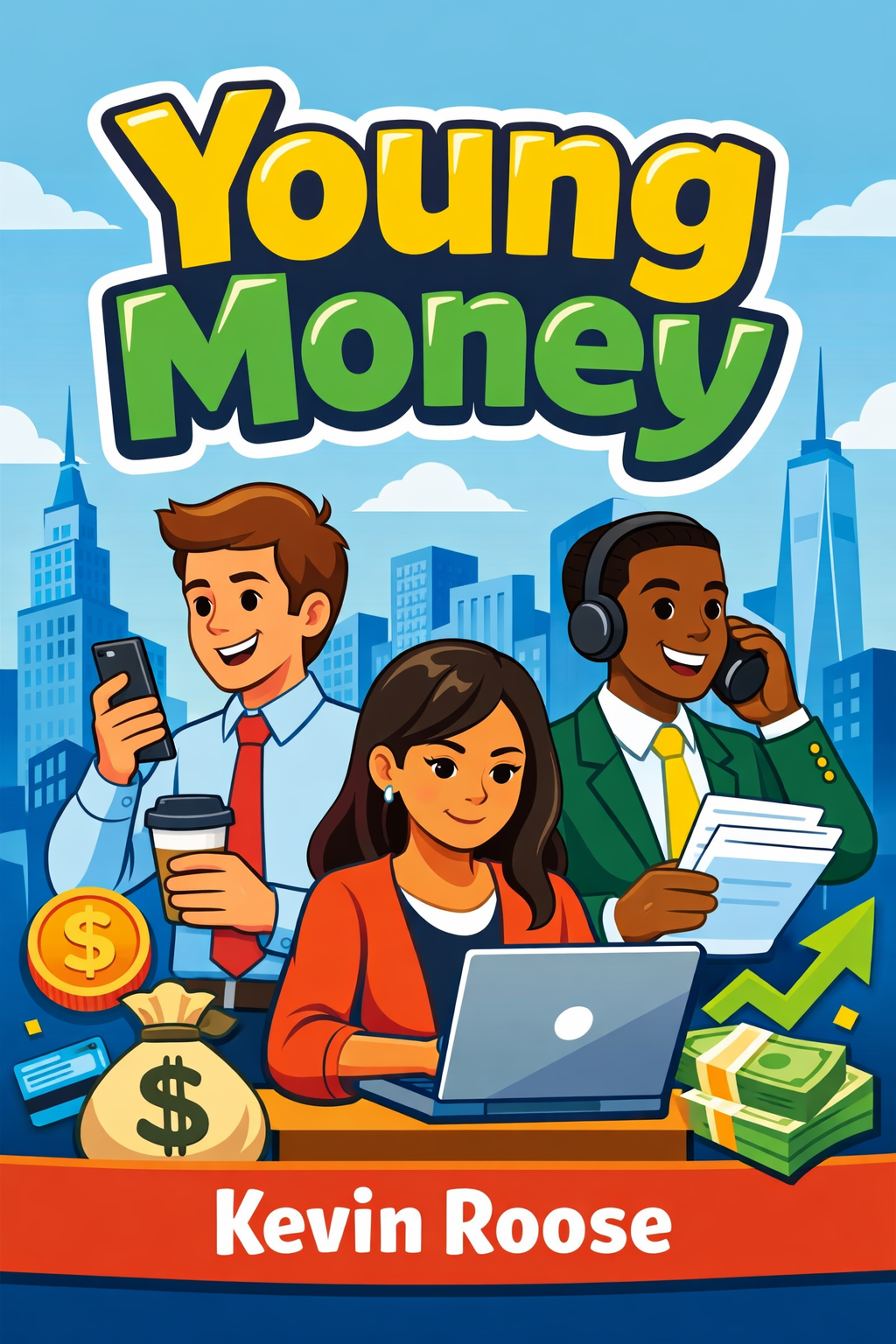
Book Title: Young Money