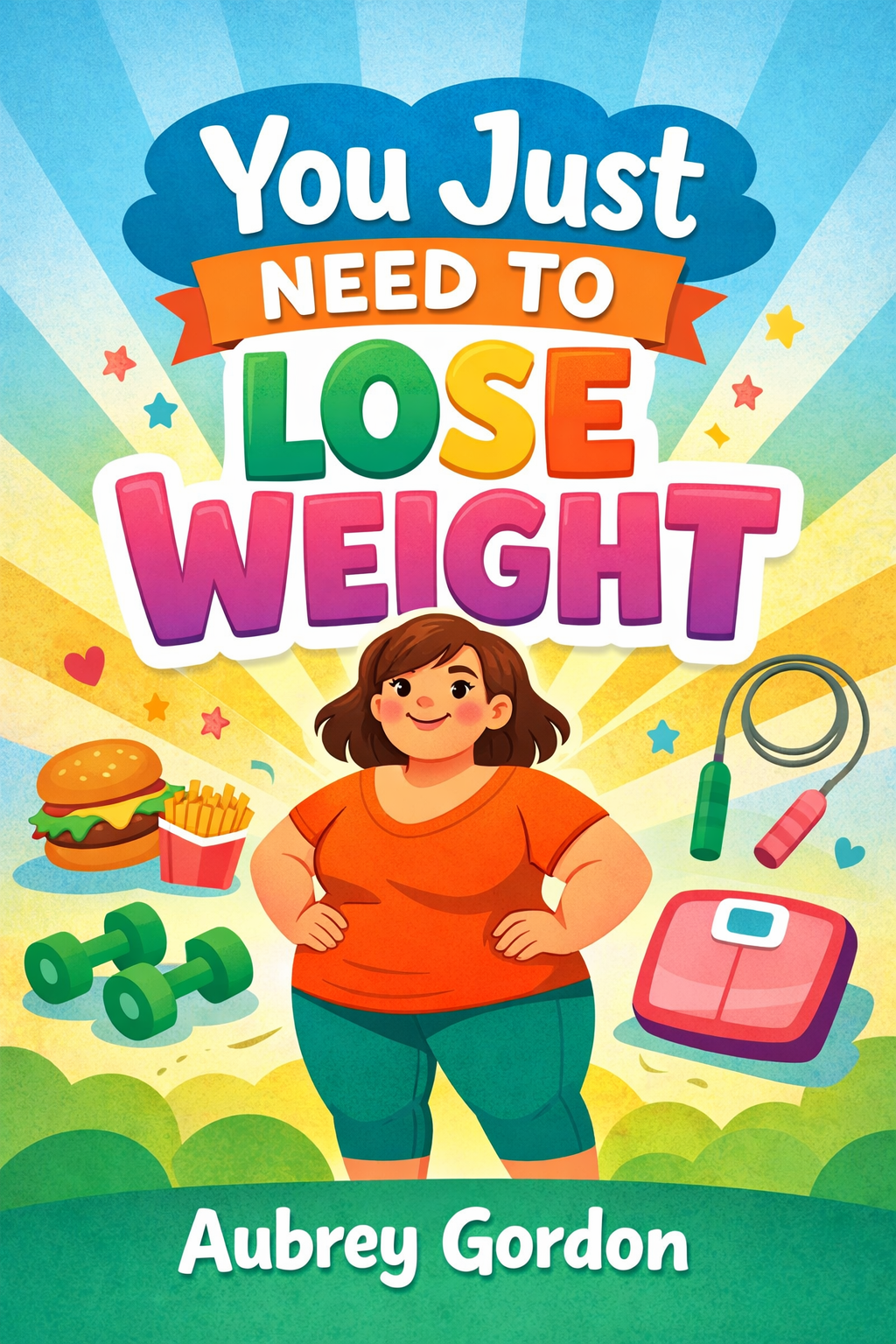
Description
In a world quick to judge based on size, “You Just Need to Lose Weight” confronts the pervasive and damaging myths that surround fatness. The book begins by challenging our very language, arguing that the word “fat” itself has been unfairly stigmatized. Treating it as a slur or an unspeakable curse only reinforces the idea that being fat is inherently shameful. For many, reclaiming “fat” as a simple, neutral descriptor—much like “tall” or “blonde”—is a powerful step toward dismantling that shame. It is a factual term about one’s body, not a verdict on one’s character. The discomfort people feel saying it aloud often reveals more about societal bias than about the word itself.
A central myth the book tackles is the assumption that body size is purely a matter of choice and willpower. This idea reduces the immense complexity of human physiology to a simple equation, ignoring a web of factors including genetics, environment, and specific health conditions. For many, sustained weight loss is not a simple act of discipline but a biological challenge, with studies showing that drastic loss can even permanently alter metabolism in ways that promote regain. Furthermore, the book introduces the concept of “gainers,” individuals who consciously gain weight as a form of protest against a culture that demands thinness. Whether by circumstance, biology, or conscious choice, the argument is clear: a person’s body is their own, and the presumption that they must change it to earn respect is a foundational injustice.
This injustice is often medically sanctioned through the uncritical use of the Body Mass Index (BMI). The book delves into the surprising origins of this tool, created by a 19th-century mathematician, not a doctor, using data from white European men. It was designed to study populations, not diagnose individuals. Yet, it has become a medical gospel, despite being notoriously inaccurate for many groups, often overestimating health risks for Black people and underestimating them for Asian people. Reliance on this flawed, homogenized metric leads to misdiagnosis and inadequate care, as doctors might overlook real issues by attributing all ailments to weight.
The widespread panic over an “obesity epidemic” is also scrutinized. The book explains how this crisis narrative was constructed not by a sudden change in public health, but by shifting definitions—specifically, the World Health Organization lowering the BMI thresholds for “overweight” and “obese.” This created millions of “unhealthy” people overnight, fueling media frenzy. It highlights how influential but methodologically flawed studies, which used outdated data and conflated correlation with causation, exaggerated mortality claims and cemented a cultural fear of fatness. This fear ignores that diseases like heart disease and diabetes affect people of all sizes and are influenced by genetics, poverty, and stress, not weight alone.
A common retort to calls for fairness is the accusation of “glorifying obesity.” The book powerfully counters this by examining the double standard at play. A thin person posting a joyful photo in a swimsuit is celebrated, while a fat person doing the same is accused of promoting an unhealthy lifestyle. Treating fat people with basic dignity—providing them with comfortable seating, appropriate medical equipment, and stylish clothing—is not an endorsement of a body type; it is an acknowledgment of their humanity. Demanding that fat people hate their bodies until they become thin is a cruel and ineffective policy. True health and well-being come from access to respectful care and a society that does not equate thinness with virtue.
Finally, the book distinguishes between fat shaming and so-called “skinny shaming.” While mocking anyone for their body is unkind, it argues that making fun of a thin person is an individual act of meanness. Fat shaming, however, is backed by the full force of cultural, medical, and institutional bias. It is systemic, affecting employment, healthcare, and daily dignity. Understanding this distinction is key to recognizing that anti-fat bias is a widespread prejudice that requires systemic change, not just individual kindness. Ultimately, the book is a call to move beyond myths and fear, to see fat people as complex individuals deserving of respect, fair treatment, and the simple freedom to exist in the world as they are.