Description
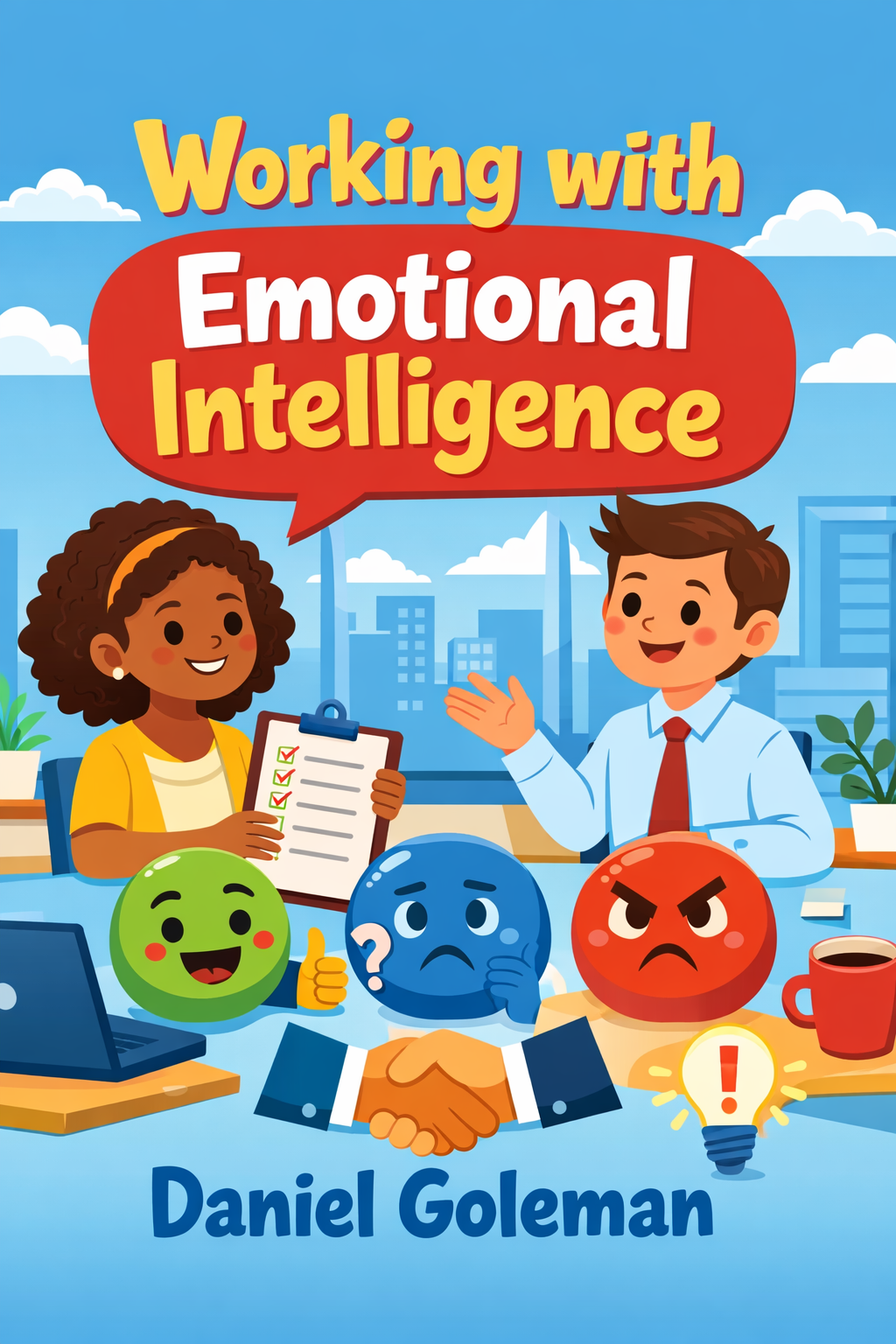
For decades, the professional world operated on a simple formula: raw intellect and technical mastery were the primary keys to career advancement. Today, that formula is incomplete. As you ascend toward leadership, a different, more powerful capability separates the competent from the truly exceptional: emotional intelligence. This is the capacity to recognize, understand, and manage our own emotions while adeptly navigating the feelings of others. It transforms pressure into focus, conflict into collaboration, and a group of individuals into a cohesive, high-performing team. Contrary to being a mere “soft” skill, it is the bedrock of professional influence and a core predictor of performance that forward-thinking employers now prioritize above IQ.
The journey to understanding this pivotal skill begins by recognizing its historical context. The pursuit of workplace efficiency has evolved from measuring physical movements, to testing cognitive intelligence, to assessing personality types. Yet a more holistic model emerged, identifying specific competencies—patterns of behavior that drive outstanding performance. At the heart of these competencies lies emotional intelligence. It’s the differentiator between two equally brilliant minds; the one who can inspire trust, communicate with empathy, and build alliances will consistently outperform the isolated genius. In our interconnected, collaborative modern economy, individual brilliance is amplified or stifled by one’s ability to connect. Emotional intelligence provides the essential social adhesive that turns individual potential into collective achievement.
Mastering this skill set starts inwardly, with the crucial art of self-regulation. Under stress, our brain’s ancient wiring can sabotage modern professional demands. The amygdala, our emotional alarm system, can hijack our higher reasoning, pushing us toward impulsive reactions instead of thoughtful responses. You’ve likely experienced this in a high-stakes meeting—a moment where you froze or snapped instead of articulating a clear strategy. Self-regulation is the learned ability to manage this internal turbulence. It allows you to create a pause between a triggering event and your reaction, choosing a response aligned with your goals rather than your momentary feelings. This isn’t about suppressing emotion, but about developing awareness of your physiological and emotional signals—the quickened pulse before a presentation, the simmering frustration from a difficult email—and using that awareness to regain command. Remarkably, this practice of acknowledging and processing emotion is so powerful that studies have shown individuals who regularly reflect on their feelings navigate career setbacks, like job loss, more successfully and rapidly.
Your command over your own emotional state is the foundation for influencing your environment, because emotions are profoundly contagious. We constantly broadcast and receive emotional signals through tone, expression, and body language, often outside our conscious awareness. Within minutes, the mood of the most emotionally expressive person in a room can become the group’s mood. This “emotional contagion” means your self-regulation doesn’t just benefit you; it actively shapes your team’s atmosphere. A leader who remains composed and confident during a crisis doesn’t just feel calm—they broadcast calm, stabilizing everyone around them. This leads to the core skill of empathy: the ability to accurately perceive and understand what others are feeling. Empathy, supported by our brain’s mirror neuron system, is the bridge that allows for genuine connection. It enables you to give feedback that motivates rather than deflates, to sense unspoken team tensions, and to build loyalty. From this empathetic foundation, you can employ sophisticated social skills like constructive influence, where you guide outcomes through suggestion and alliance rather than command, or coalition-building, where you understand and align the motivations of key stakeholders.
Fortunately, these capabilities are not fixed traits but a set of competencies that can be systematically developed, both individually and across an organization. Effective development moves far beyond a one-time workshop. It requires a tailored, sustained commitment. The process begins with honest assessment, often through 360-degree feedback, which provides a mirror of how one’s emotional behavior lands on colleagues, managers, and direct reports. With this awareness, individuals can set specific, personal goals—like improving active listening or managing difficult conversations—and break them into practiceable steps. Crucially, the learning must be embedded in the flow of daily work through consistent practice and reflection, making the new skills habitual. For a company, cultivating a culture of high emotional intelligence means integrating these principles into hiring, evaluations, and leadership development. It requires leaders to model the behavior, rewarding empathy, collaboration, and self-management. When an organization commits to this growth, it unlocks its collective brainpower, fosters innovation through psychological safety, and gains the agility to see challenges, like a market shift, not as isolated departmental problems but as interconnected puzzles requiring shared insight and emotional resilience to solve. Ultimately, working with emotional intelligence is about recognizing that human connection is not a distraction from the work—it is the very medium through which all great work is accomplished.