Description
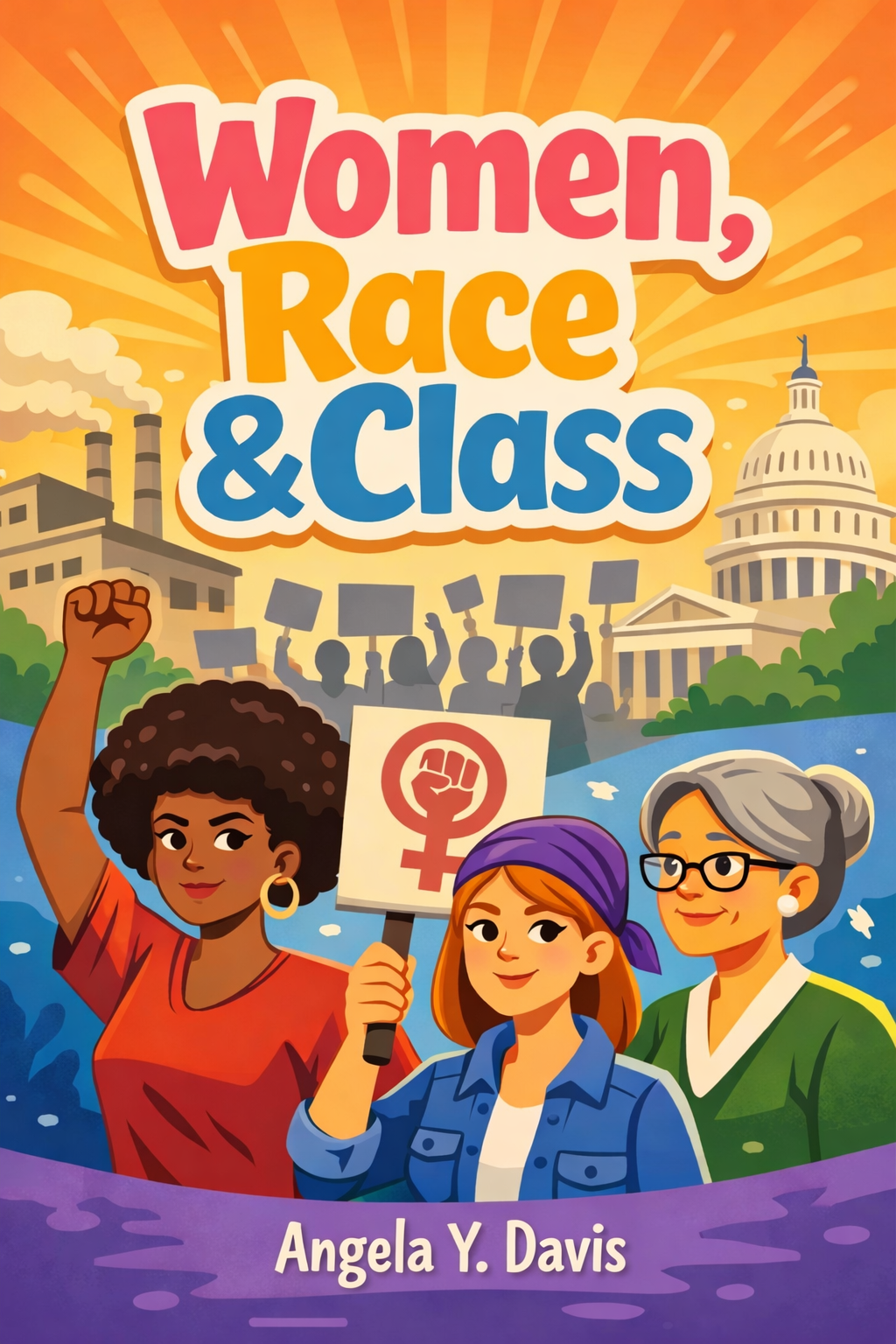
Angela Davis’s foundational work presents a searing historical analysis of the complex and often fraught relationship between the feminist movement, the abolitionist struggle, and the fight for economic justice. The book meticulously traces how the interconnected systems of racism, sexism, and capitalism have been used to divide and suppress, arguing that true liberation cannot be achieved by addressing any one of these forces in isolation. Davis begins not in the nineteenth century, but in the antebellum South, dismantling the myth of the Black matriarch and exposing the brutal sexual and economic exploitation of Black women under slavery, which created a starkly different experience of womanhood from that of their white counterparts.
This historical grounding sets the stage for an exploration of the early women’s suffrage movement, revealing its deep and problematic roots in racial prejudice. Davis documents how prominent white suffragists, such as Elizabeth Cady Stanton and Susan B. Anthony, strategically used racist rhetoric to advance their cause, arguing that educated white women were more deserving of the vote than Black men fresh from slavery. This tactical alliance with white supremacy created a lasting schism, alienating Black women and setting a precedent where the advancement of white women was often pursued at the expense of racial justice. The narrative follows the consequences of this split through Reconstruction and the rise of lynching, highlighting how the cult of white womanhood was weaponized to justify racial terror and how Black women like Ida B. Wells led the anti-lynching crusade, forging a politics that inherently linked race and gender.
The analysis then moves into the twentieth century, examining the class dimensions often ignored by mainstream feminism. Davis critiques the limitations of the fight for the vote, showing how the Nineteenth Amendment did little to materially change the lives of working-class women, particularly Black domestic and agricultural workers. The book gives critical attention to the contributions of Black women and communist organizations during the Great Depression and the early labor movement, who consistently framed their demands around the triple axis of race, class, and gender. Figures like Communist activist Claudia Jones are centered for their theoretical work that insisted the “triple oppression” of Black women was a revolutionary force.
In later chapters, the work tackles the myths surrounding the Black family and the welfare system, deconstructing political narratives that blamed Black “matriarchs” for social inequality. Davis systematically exposes how state policies have historically disrupted Black family life, from slavery to modern-day institutional neglect, and how the vilification of the Black mother on welfare serves to obscure the structural economic violence of capitalism. The final sections bring the analysis to the contemporary moment of the book’s writing, assessing the modern feminist movement and its frequent failure to address the needs of women of color and poor women. The conclusion is a compelling call for a new, radically inclusive framework for liberation—one that learns from the failures of the past and builds a unified movement against the interlocking systems of power that oppress the vast majority. Davis leaves the reader with the undeniable thesis that the freedom of all women is inextricably bound to the destruction of racism and class exploitation.