Description
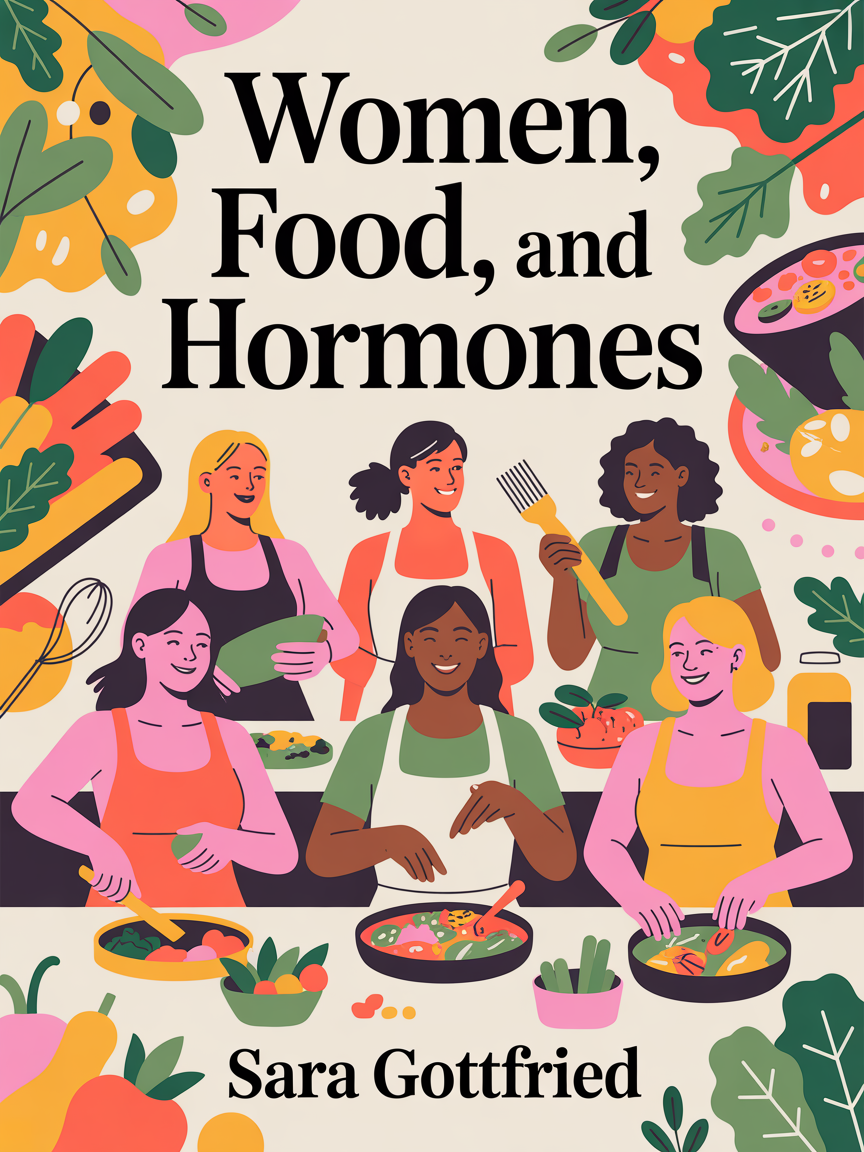
It can feel impossible to know what to eat. There is so much different advice, and a lot of it seems to be for men. For women, health is not just about weight. It is about balancing your whole body. Many diets forget to think about hormones, which are very important for women’s health. When a diet ignores hormones, it might not work, or it could even make things worse. This guide explains a better way, an approach made just for women.
This approach is called the Gottfried Protocol. It is a special version of the popular “keto” diet, but changed to work with a woman’s body, not against it. The traditional keto diet, which is high in fat and very low in carbs, is often studied in men. It can help with weight loss and clear thinking by making the body burn fat (ketones) for fuel instead of sugar. However, when women follow this same plan, they can run into trouble. Because female bodies are different, a strict keto diet can sometimes mess with stress levels, thyroid function, and hunger signals.
This is why a modified plan is needed. The Gottfried Protocol adjusts the diet to support female hormones. It helps manage weight, but it also aims to improve overall well-being. Before starting this new journey, it is helpful to know where you are right now. You can measure your waist, your hips, and figure out your body mass index (BMI). This gives you a starting point to see your progress. It is also a great idea to write down why you are doing this. What are your health goals? Having a clear reason will help you stay motivated.
The Gottfried Protocol is a structured four-week program. The main goal is to change how your body gets energy, which helps to reset your hormones. It follows a specific “ketogenic ratio” of 2-to-1. This means for every one gram of protein and carbs you eat, you should eat two grams of fat. In a typical day, this breaks down to about 25 grams of net carbs (which is very low), 50 to 75 grams of protein, and 60 to 90 grams of healthy fats.
You will focus on eating foods that send the right signals to your body. Healthy fats come from foods like avocados, nuts, seeds, olive oil, and coconut oil. For protein, you can choose plant-based options like nuts and seeds, or high-quality animal proteins like cage-free eggs and sustainably sourced meats. It is also very important to know what not to eat. You will need to avoid all sugars. Even “healthy” sugars from fruit are mostly off-limits, except for small amounts of lemon, lime, olives, or tomatoes. Alcohol must also be avoided, as it is high in calories and can disrupt your progress.
This plan is not just about food. It is a full lifestyle change. You will need to keep track of your body by checking your weight and perhaps even your blood ketone and glucose levels. This tracking shows you if the plan is working. Staying hydrated with plenty of water, and adding electrolytes, is essential. You should also try to get some form of physical activity every day. Finally, the plan includes overnight fasting. This means you will only eat during a certain window of time each day, fasting for 14 to 16 hours (including while you sleep). This four-week plan is strict, but it is designed to create big changes in your hormonal health.
When you change your diet so much, you might face a few challenges. This is normal, and there are simple ways to fix them. The most common issue is the “keto flu.” As your body switches from burning sugar to burning fat, you might feel tired, grumpy, or have a headache for a few days. The best way to fight this is to drink a lot of water and make sure you are getting enough electrolytes, like salt.
You might also feel strong cravings for sugar or carbs. This usually happens in the first week. The best solution is to make sure your meals have enough healthy fat and protein. These foods keep you feeling full and stop the blood sugar spikes that cause cravings. Some people also notice changes in digestion, like constipation. If this happens, increase your fiber with more vegetables, drink more water, or add some ground flaxseed or MCT oil to your meals. If your weight loss stops, you may need to double-check your food portions to make sure you are sticking to the right balance.
If you are not sure if the plan is working, you can test your blood ketone levels. This shows you if your body is truly in a fat-burning state. If your levels are low, you can try adding more healthy fat, like olive oil, or sticking very strictly to your 14-to-16-hour fast. Every challenge is a chance to learn what your specific body needs.
After you complete the strict four-week protocol, the goal is to find a more flexible, long-term way of eating. This plan helps you transition to a “carb-adjusted Mediterranean diet.” This is not a diet you go “on” and “off” but a lifestyle. The transition must be done very slowly to see how your body reacts.
You begin by adding back carbohydrates in tiny amounts. You might add just five grams of net carbs every three days. You would start with starchy vegetables, then later try low-sugar fruits (like berries) or legumes. By going this slowly, you can find your body’s unique “carb tipping point” — the amount you can eat without gaining weight or feeling bad. You can also try reintroducing alcohol in small amounts, but be careful, as your body will be more sensitive to it. During this transition, it is a good idea to keep up the 14-to-16-hour fasts several days a week.
What if you start to gain weight or feel bad again? You can always go back to the troubleshooting steps or even repeat the four-week protocol to get back on track. The most important thing is to be patient with yourself. This entire process is about more than just losing weight. It is about understanding your body on a deeper level. You are learning how food, hormones, and your well-being are all connected. This knowledge empowers you to make smart choices that support your health, energy, and vitality for a long, active life.