Description
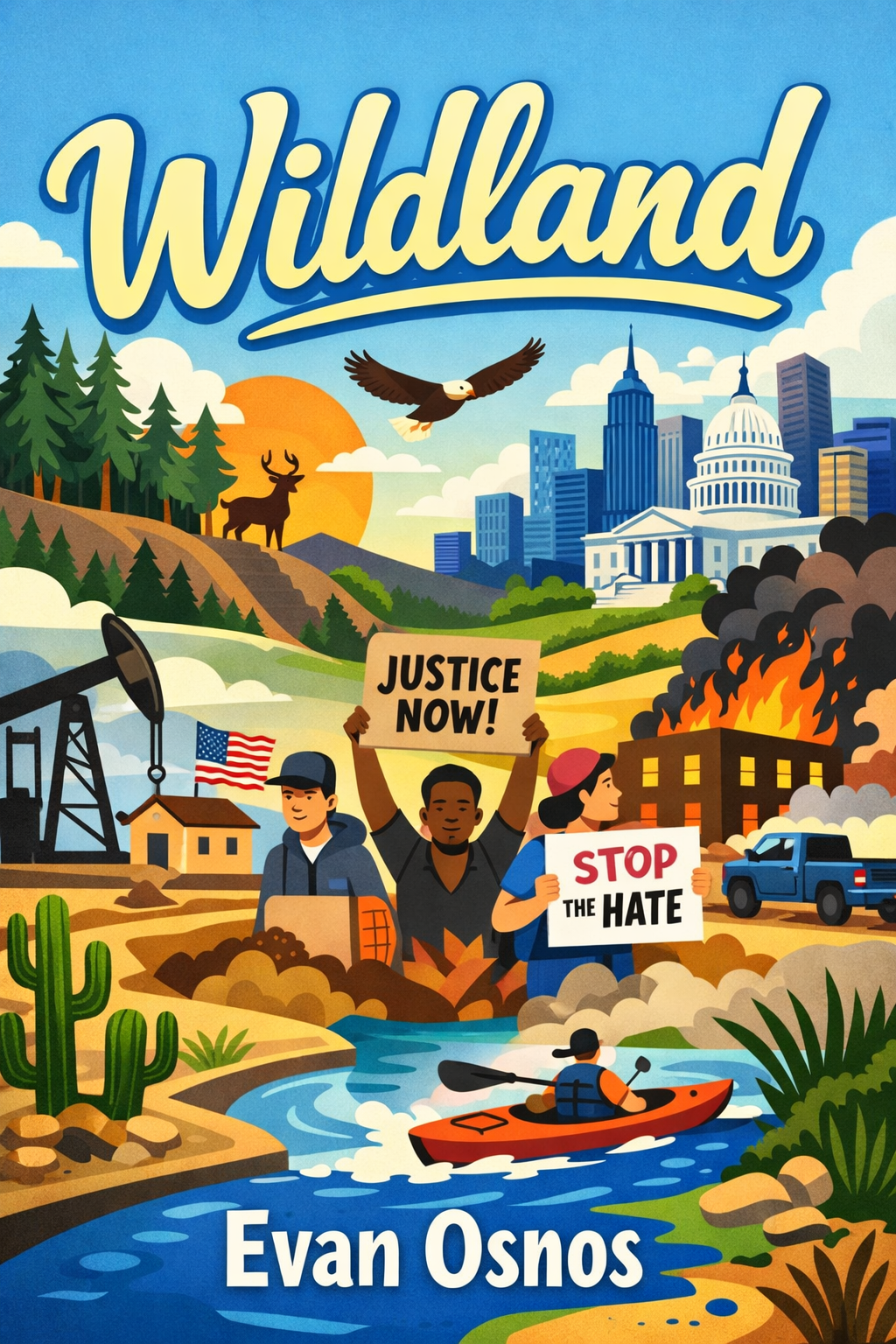
The American political landscape of the early twenty-first century was a tinderbox, a wildland parched by decades of accumulating pressures. The events of January 6, 2021, were not a spontaneous fire but a predictable conflagration, ignited by sparks that had been flying for generations. This narrative traces the slow burn of dissolution by weaving together the stories of three distinct places, each representing a fundamental rupture in the nation’s fabric.
Greenwich, Connecticut, tells a story of radical economic transformation and the retreat of a common civic ethic. Once a genteel retreat for Wall Street titans who embraced a motto of “courage and thrift,” the town transformed into the epicenter of a new, hyper-aggressive capitalism. The rise of hedge funds and financial engineering in the late twentieth century created a class of ultra-wealthy whose fortunes detached from the broader economy. This wasn’t merely about accumulating money; it represented a shift in values. Short-term profit eclipsed long-term stewardship, and unrestrained financial gain became the supreme virtue. The concentration of wealth was so extreme that the tax payments of a handful of Greenwich residents could sway an entire state’s budget. This economic secession was mirrored by a political one. The moderate, patrician Republicanism embodied by figures like Prescott Bush gave way to a fervent libertarianism and, later, a populist rage against government itself. The party’s center collapsed, creating a vacuum hungry for a disruptive force.
Meanwhile, in Clarksburg, West Virginia, a different kind of erosion was taking place. This city, once a proud and prosperous hub dubbed the “Athens of Allegheny,” became a shadow of its former self. The brutal efficiency of mountaintop removal mining promised salvation but delivered environmental and social decay. As the local economy hollowed out, a relentless outmigration of young people began, creating a vicious cycle of a shrinking tax base and declining public resources. This physical abandonment was compounded by a cultural and informational one. The collapse of local newspapers nationwide severed a critical thread of community cohesion. News consumption became fragmented, nationalized, and driven by provocative headlines. People lost touch with their immediate neighbors and governors, instead absorbing a diet of anger and doom from distant media sources. The result was a profound isolation—a community left behind, feeling forgotten and increasingly cynical about the institutions that had failed it.
The story of Chicago’s South Side reveals the enduring and combustible legacy of systemic racism. For Black Americans during the Great Migration, Chicago was the “Promised Land.” Yet they were met not with opportunity but with meticulously engineered segregation. Restrictive covenants and racist housing policies corralled the Black population into an under-resourced enclave, creating conditions that would reverberate for decades. The life of one resident, Reese, illustrates the human cost. A promising student, his future was truncated when a simple lack of bus fare forced him into a failing, violent high school. Declared among the worst in the nation, such schools offered little hope, funneling generations into cycles of poverty, incarceration, and despair. This was not a failure of individual character but the logical outcome of a system designed to exclude. The promise of America was systematically denied, breeding a deep, justified grievance.
These three strands—the entitled secession of the elite, the desolate abandonment of working-class heartlands, and the brutal, ongoing subjugation of Black Americans—twisted together into a knot of national crisis. The 2008 financial crash, the perceived failures of the establishment, and the rise of a politics that weaponized white identity and resentment provided the kindling. A political figure emerged who expertly channeled the rage from Clarksburg, the nihilistic self-interest nurtured in Greenwich’s shadow, and the racial anxieties that plagued Chicago’s history. His presidency was less an administration than an agenda of institutional destruction, further eroding public trust. Then, the twin crises of a pandemic and a racial reckoning in 2020 acted as a final accelerant, laying bare every dysfunction. The system, strained by twenty years of mounting inequality and cynicism, finally snapped. The storming of the Capitol was the explosive result, a violent manifestation of a country that had long been coming apart. It was the fire in the wildland, a blaze lit by many hands over many years.