Description
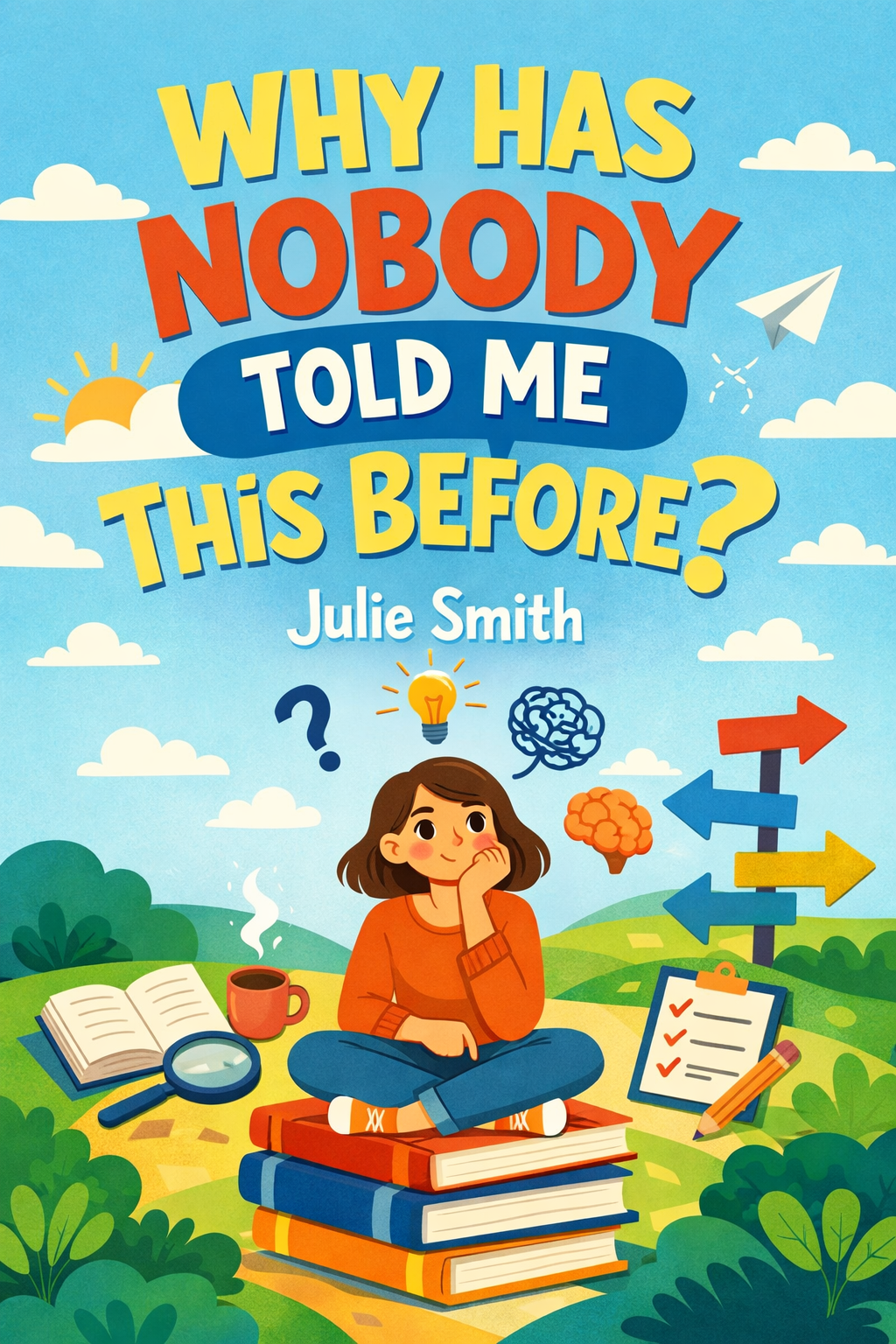
This book presents a compassionate and accessible collection of psychological strategies designed to empower individuals in managing their mental well-being. It operates on a foundational belief: while fluctuating emotions are a universal human experience, we possess far more influence over our mental state than we are often led to believe. The core message is that mental health is not a fixed state but a set of skills that can be cultivated, moving away from the disempowering notion that persistent low moods are simply the result of a faulty brain. Instead, the book guides the reader toward understanding their emotions as complex signals, constructed from a blend of thoughts, physical sensations, behaviors, and unmet needs.
The journey begins with developing a nuanced awareness of how emotions are built. Rather than viewing a bad mood as an inexplicable cloud that descends, the reader is encouraged to become a detective of their own inner world. By reflecting on patterns—what was happening in the body, the mind, and one’s environment before a mood shifted—it becomes possible to identify tangible contributors. This process of emotional hindsight reveals that feelings are rarely random; they are often linked to factors like stress, sleep, hydration, social interactions, or specific thought cycles. Recognizing these patterns is the first, crucial step toward intervention, transforming overwhelming emotions into puzzles with potential solutions, some of which can be addressed through simple, practical adjustments.
When low moods persist, they can trap us in cycles of unhelpful decisions, often driven by a craving for instant relief or paralyzed by perfectionism. The book offers a powerful antidote: the philosophy of “good enough” decisions. This approach champions sustainable progress over dramatic overhauls. Instead of aiming for a perfect, rigorous exercise routine and then abandoning it, the focus shifts to incorporating a small, enjoyable walk. The goal is to build manageable habits that reinforce a sense of agency and self-trust. This method breaks the cycle of self-criticism that often accompanies setbacks, fostering self-compassion. The emphasis is on laying neural pathways for positive habits through consistent, minor actions, understanding that these small bricks eventually build the foundation of lasting resilience.
A significant portion of the toolkit is dedicated to understanding and managing anxiety. The text clarifies that anxiety itself is a normal emotion, but it becomes a problem when avoidance behaviors allow it to shrink one’s life. The path forward is not to eliminate fear but to learn to move through it courageously. The recommended strategy is gradual exposure: systematically and gently facing feared situations in a controlled, step-by-step manner. By repeatedly entering a manageable anxiety-provoking situation—like a busy shop—and allowing the anxiety to subside naturally, confidence is built incrementally. This process reclaims territory from fear, expanding one’s life back to its full potential. For moments when anxiety threatens to escalate into panic, the book provides immediate, discreet grounding techniques, such as controlled breathing exercises, to help regulate the nervous system and restore a sense of safety in the present moment.
Finally, the book addresses the vital skill of navigating help—both giving and receiving. It challenges the stigma around needing support, reframing it as a strength and a normal part of the human experience. Practical guidance is offered on how to effectively ask for help, articulating needs clearly without shame. Equally important is learning how to be a supportive presence for others, which involves empathetic listening without immediately jumping to problem-solving. This section underscores that connection is a cornerstone of mental well-being, and that building a supportive network is a proactive strategy for health, not a sign of weakness. Ultimately, this guide serves as a compassionate companion, demystifying therapy’s core principles and putting a repertoire of actionable skills directly into the reader’s hands, encouraging them to become an active participant in crafting their own emotional resilience and well-being.