Description
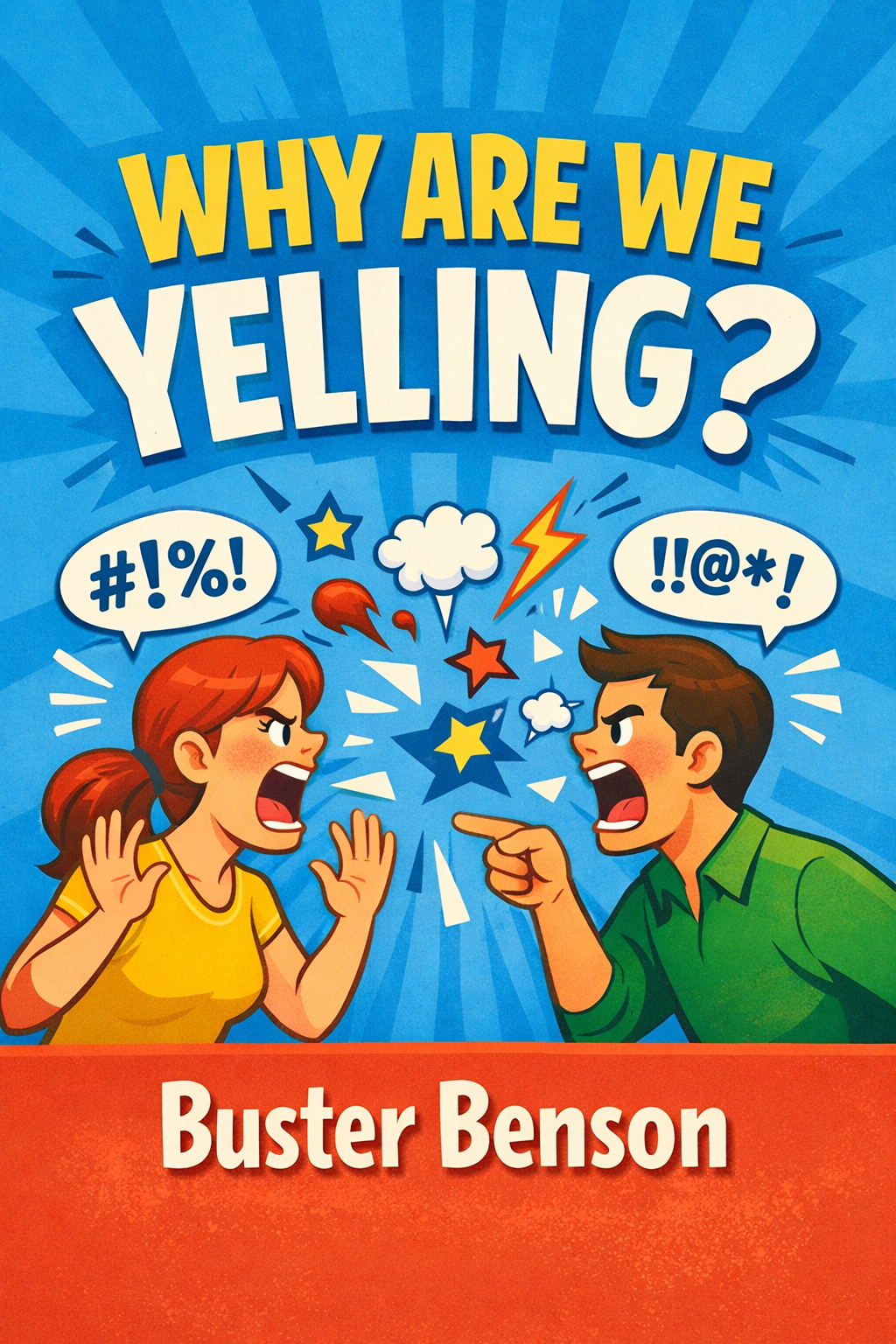
In a world that often feels divided, our instinct is to avoid arguments or to fight to win them. This book proposes a radical third way: to see disagreement not as a threat, but as a hidden resource. The central idea is that a well-handled argument is not a breakdown of communication but its highest form—a chance to explore what truly matters to us and to others. When we yell or shut down, we miss the valuable signal within the conflict. By learning to engage constructively, we can strengthen relationships, make better decisions, and expand our understanding of the world, all while navigating the inevitable differences that make us human.
The journey begins by looking inward, at the anxiety that disagreement stirs within us. That visceral reaction—whether to a politically charged topic or a debate about how to slice a bagel—is a clue. It shows that something we value feels challenged. The author categorizes these triggers into three types: anxieties of the head (concerns about facts and logic), the heart (matters of emotion and identity), and the hands (issues of practicality and action). A productive disagreement requires us to identify our own anxiety type and to recognize that the other person might be operating from a completely different category. Dismissing their concern because it doesn’t match our logical framework is a sure path to a fruitless stalemate.
As anxiety rises, so does our internal chatter. The book identifies four common “voices” in our heads during conflict. The voice of power seeks to dominate and shut down the opposition. The voice of reason attempts to bury the other side under an avalanche of facts. The voice of avoidance simply wants to flee the discomfort. While these voices are natural, they all serve to end the conversation rather than advance it. The key is to cultivate the fourth voice: the voice of possibility. This is the curious, open-minded part of us that asks, “What can I learn here?” It doesn’t require surrendering your position, but it creates the psychological space for dialogue to occur.
Our ability to listen to that voice of possibility is hampered by our own mental shortcuts, or biases. We naturally favor information that’s easily available to us and give undue credence to people within our own “tribe.” These biases are energy-saving devices, but in disagreements, they act as blinders, causing us to oversimplify the other side’s position or dismiss it outright. The challenge is not to eliminate bias—an impossible task—but to acknowledge its constant presence. By admitting that our perspective is just one of many, we can begin to engage with others’ views more honestly.
This leads to a crucial rule: own your perspective, but never assume you own someone else’s. We are experts on our own experiences, motivations, and feelings, but we are terrible mind-readers. In conflict, we often fall into the trap of inventing motives for the other person, casting them as ill-intentioned or foolish. The alternative is both simple and powerful: speak only for yourself, and invite others to do the same. Replace accusations like “You just don’t care” with curious questions like “Can you help me understand your thinking on this?” This shifts the dynamic from confrontation to exploration.
Indeed, the humble question is the most potent tool for navigating disagreement. Open-ended, genuine questions act as a pathway through the wall of conflicting positions. They force us to slow down, listen, and clarify. Instead of stating, “That plan will never work,” you might ask, “What are the first steps you see for implementing that?” This approach uncovers the reasoning behind a stance and often reveals shared concerns buried beneath surface-level opposition. It transforms a battle of statements into a collaborative investigation.
To practice this skill, the book suggests choosing your “debate partners” wisely. Seek out people who challenge your ideas with rigor and respect, not those who simply aim to provoke or offend. The environment matters, too; a neutral, low-stakes setting can make difficult conversations feel safer. Most importantly, we must resist the temptation to ignore ideas we find disagreeable. Silencing a contrary view doesn’t make it disappear; it only drives it underground, where it can grow more entrenched and hostile. Bringing conflict into the open, with the right tools and mindset, is the only way to truly resolve it.
Ultimately, this book is a guide to intellectual courage. It argues that the health of our relationships, communities, and democracies depends on our collective ability to disagree well—to lean into the discomfort of difference with curiosity rather than fear. By mastering the art of productive disagreement, we stop yelling past each other and start learning from one another.