
Description
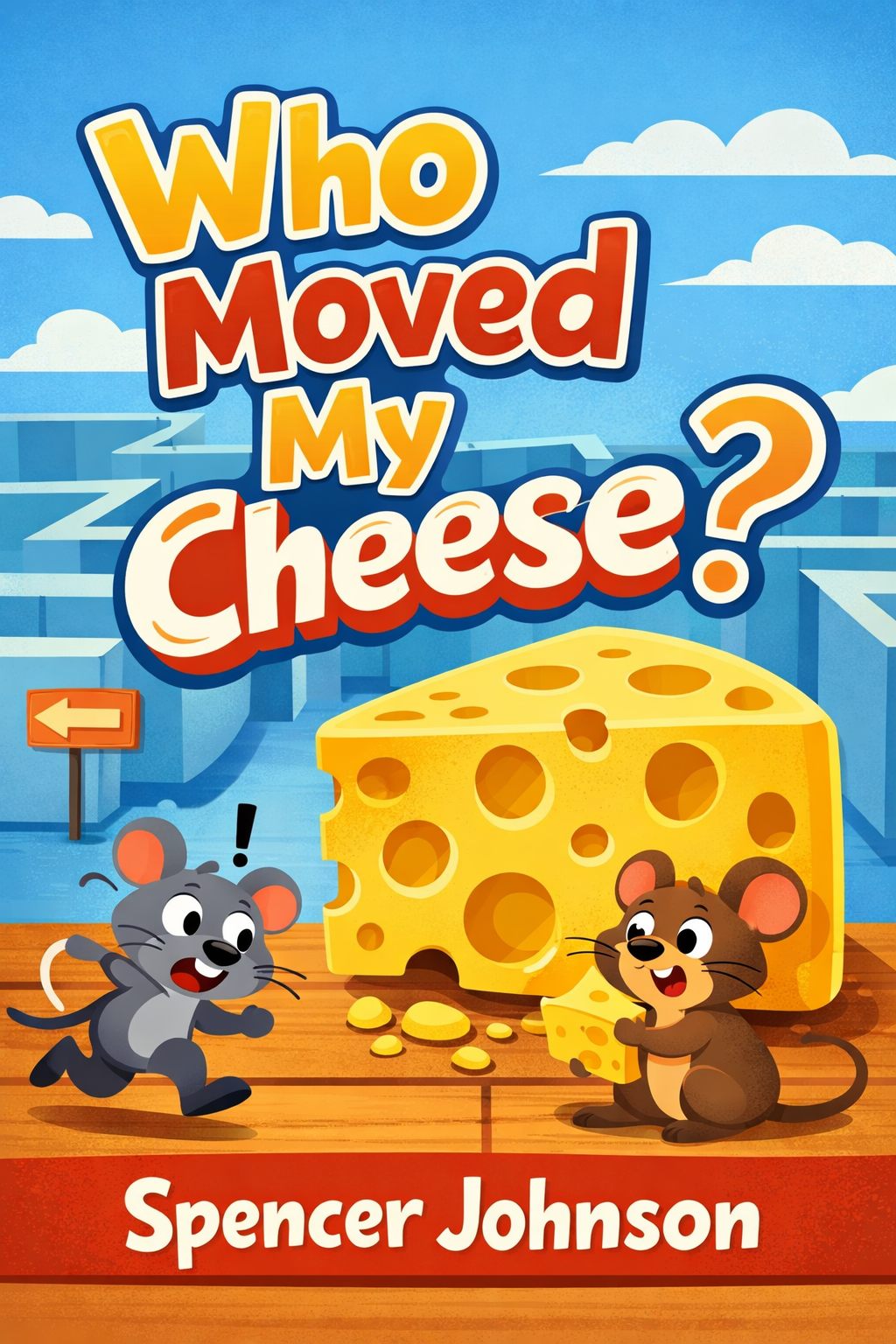
Spencer Johnson’s classic tale uses a deceptively simple story to unpack a profound truth about human nature and our relationship with change. Within a vast maze, four characters—two mice named Sniff and Scurry, and two little people named Hem and Haw—search for something vital to them: cheese. This cheese represents anything we pursue in life: a successful career, a loving relationship, financial security, or personal peace. The journey of these four, and their dramatically different reactions when their cheese supply suddenly vanishes, serves as a powerful mirror for our own tendencies when faced with life’s inevitable shifts.
The story begins with all four finding a massive, plentiful stash of cheese at a location called Cheese Station C. The mice, with their simple instincts, enjoy the cheese but remain observant. They notice the daily details, never fully assuming the supply is infinite. The little people, however, with their complex human brains and emotions, do the opposite. They become deeply attached to this station. They build their lives around it, feeling entitled to their prize and believing it will last forever. This comfort breeds complacency. They stop paying attention, settling into a routine that feels permanent. This part of the parable highlights a critical first lesson: our greatest successes and comforts can, paradoxically, paralyze us. We build identities around them, making the thought of their loss terrifying, and in doing so, we often miss the early warning signs that change is on the horizon.
The central event occurs when Hem and Haw arrive one day to find Cheese Station C completely empty. The mice, having noticed the supply dwindling, had already moved on to search for new sources. The little people are stunned, angry, and devastated. Their reaction is a masterclass in resistance. Hem rages against the unfairness, demanding to know who moved *his* cheese. He believes the cheese should be returned, that he is owed this comfort. Haw is initially just as frightened and confused, but a slow realization begins to dawn. The core message here is that good situations are not permanent. Change happens, whether through shifting markets, evolving relationships, or personal circumstances. The parable argues that the suffering we experience is less about the change itself and more about our rigid attachment to how things were and our fear of the unknown.
The narrative then splits, following Haw’s difficult but transformative journey and Hem’s stubborn refusal to move. Hem, representing denial and fear, stays at the empty station, growing hungrier and more bitter, waiting for the old situation to return. Haw, after much internal struggle, decides to venture back into the unknown maze. His journey is the heart of the book’s wisdom. He is terrified, often lost, and finds only tiny morsels at first. To combat his fear, he begins to visualize his goal—vividly imagining the taste and smell of new, delicious cheese. This mental practice fuels his motivation. As he moves, he starts writing lessons on the maze walls for Hem (and for himself), sayings like “What would you do if you weren’t afraid?” and “The quicker you let go of old cheese, the sooner you find new cheese.” These maxims underscore a pivotal insight: the fear we build up in our imaginations is almost always worse than the reality we face. Action, however small, diminishes fear.
Haw’s perseverance pays off. He eventually discovers Cheese Station N, a new stash even more abundant than the last, where Sniff and Scurry are already happily enjoying themselves. He has learned to adapt, to move with change rather than fight against it. Importantly, the story doesn’t end with him simply settling in. Now wiser, he continues to explore the maze, checking his cheese supply regularly and staying prepared for future change. He understands that Station N, too, could one day run dry. The final lesson is about the application of this mindset. The book suggests we can see these archetypes in ourselves and our workplaces: the Sniffs who sniff out change early, the Scurrys who scurry into action, the Hems who resist, and the Haws who learn and adapt. Thriving in an ever-changing world requires cultivating the qualities of Sniff, Scurry, and the transformed Haw—staying alert, moving quickly, laughing at our own folly, and most importantly, enjoying the adventure of the search itself, rather than clinging to a single, stationary prize.