Description
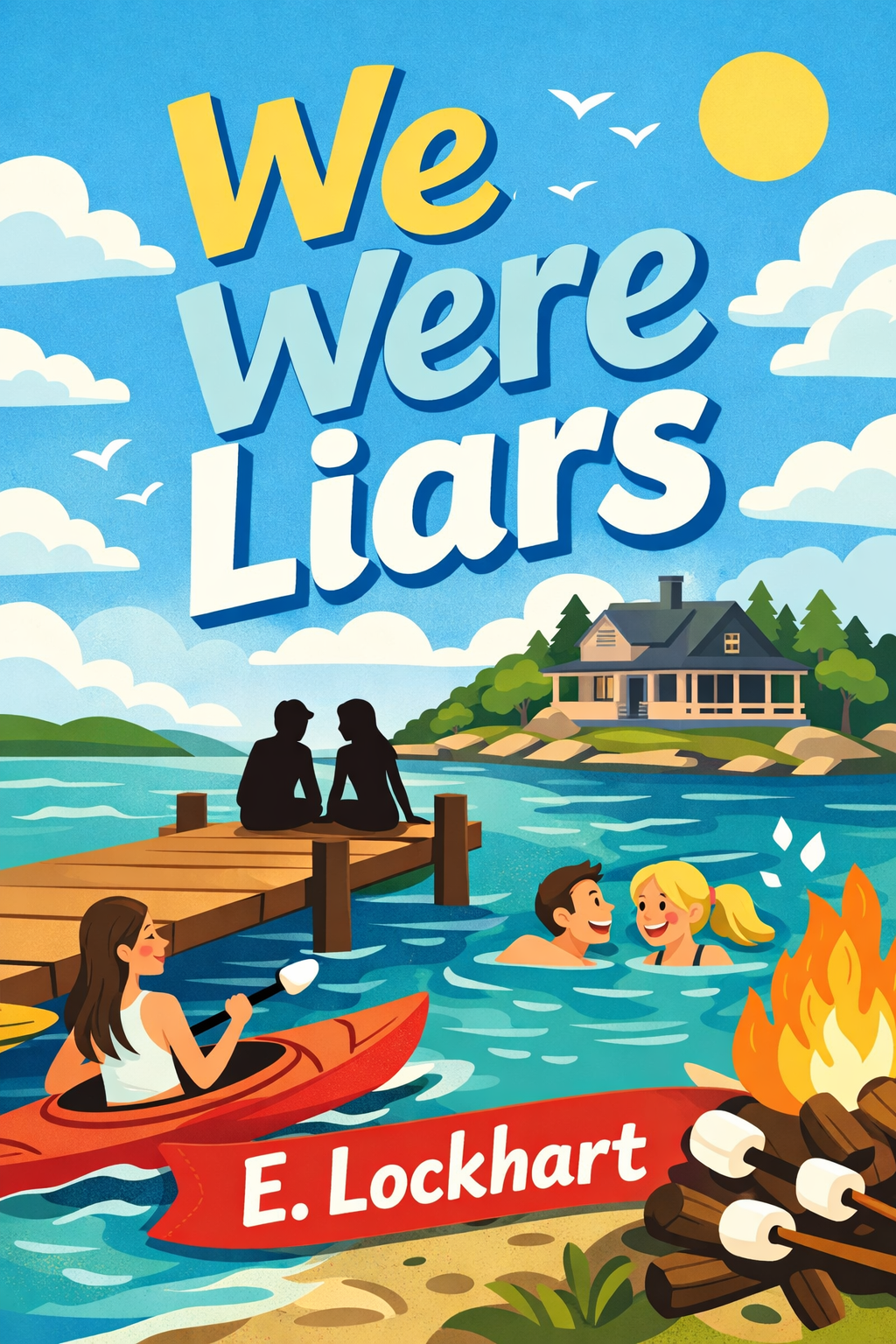
On a private island off the coast of Massachusetts, the Sinclair family presents an image of flawless, old-money perfection. Tall, blond, and athletic, they are the very picture of aristocratic success. Each summer, the entire clan gathers at their compound, Beechwood, a world of pristine mansions and sun-drenched leisure. But beneath this glittering surface, corrosive tensions simmer. Patriarch Harris Sinclair rules with an iron will, his three daughters quietly war over their future inheritance, and a culture of silence smothers any unpleasantness. The heart of this world belongs to the eldest granddaughter, Cadence, and her closest companions: her cousins Johnny and Mirren, and Gat, the outsider. Gat, the thoughtful and politically conscious nephew of an aunt’s boyfriend, is a stark contrast to the Sinclairs. He is not white, not wealthy, and refuses to play by the family’s rules of polite avoidance. His presence, and his deepening romance with Cadence, becomes a catalyst, challenging the very foundations of the Sinclair legacy of privilege and exclusion.
The story unfolds across three pivotal summers. The first, when the characters are fifteen, captures the last golden days of childish innocence, though it is tinged with the growing awareness of the adults’ greed and Gat’s pointed critiques of their insulated world. This idyll ends abruptly with a catastrophic incident. Cadence is found alone on the beach, nearly drowned, suffering from a severe head injury and hypothermia. She awakens to a life of chronic migraines, a dependence on painkillers, and, most crucially, a complete amnesia surrounding the events of that fateful night. To her profound confusion, her beloved friends—the Liars—cease all communication with her, leaving her isolated with her physical pain and a gaping hole in her memory.
The following summer, Cadence is absent from the island, traveling in Europe while grappling with her recovery in solitude. When she returns to Beechwood for the third summer, the landscape is physically and emotionally altered. Her grandmother has died, her grandfather is diminished, and the main family home has been razed and rebuilt into a cold, modern structure. Eagerly, Cadence reunites with Johnny, Mirren, and Gat at their own secluded house. While their bond seems to rekindle, an unsettling strangeness pervades their interactions. The Liars are evasive, often unwell, and react with unexpected irritation to Cadence’s struggles. They steadfastly refuse to discuss the accident, and their behavior grows increasingly secretive and frail as the summer progresses. Cadence, desperate to piece together her past, feels both drawn to them and shut out, moving through a dreamlike reality where love and guilt are intertwined.
The devastating truth, when it finally breaks through Cadence’s fractured psyche, is a revelation of profound tragedy and guilt. In a series of haunting memories, Cadence recalls that the Liars, fueled by a rebellious plan to force change upon their materialistic families, decided to burn down her grandfather’s mansion, Clairmont, believing it to be empty. The act was a symbolic strike against the corrupting power of the Sinclair wealth. The fire, however, was not contained. It spread rapidly to the other homes on the island. Johnny, Mirren, and Gat perished in the flames. Cadence, who had set the fire, escaped but was injured. Her mind, unable to bear the horrific weight of what she had done—the annihilation of the people she loved most—constructed a protective fiction. It erased the event entirely and, upon her return, allowed her to hallucinate the presence of her dead friends. Their strange behavior, their illnesses, their refusal to speak of the past: all were manifestations of her subconscious guilt and grief. The Liars had been ghosts of her own making, companions in a shared delusion that shielded her from an unbearable reality.
The novel is a masterful exploration of how trauma reshapes the mind. Cadence’s amnesia and subsequent hallucinations are not mere plot devices but a poignant metaphor for the ways individuals and families bury painful truths. The Sinclair creed of “be normal, right now” and “don’t show your pain” finds its ultimate expression in Cadence’s complete psychic break. Furthermore, the story delivers a sharp critique of inherited privilege and the moral rot it can conceal. The older Sinclairs’ petty squabbles over houses and heirlooms create an atmosphere of such toxic selfishness that it drives the idealistic younger generation to a desperate, fatal act of rebellion. Their plan was naive and catastrophic, but it sprang from a genuine desire to break a cycle of greed. In the end, the true legacy Cadence must inherit is not wealth, but the horrifying knowledge of a terrible mistake and the enduring love for those lost. The fairy-tale perfection of the Sinclairs is not just cracked; it is incinerated, leaving only the difficult, painful work of remembering and, eventually, the faint possibility of living with the truth.