Description
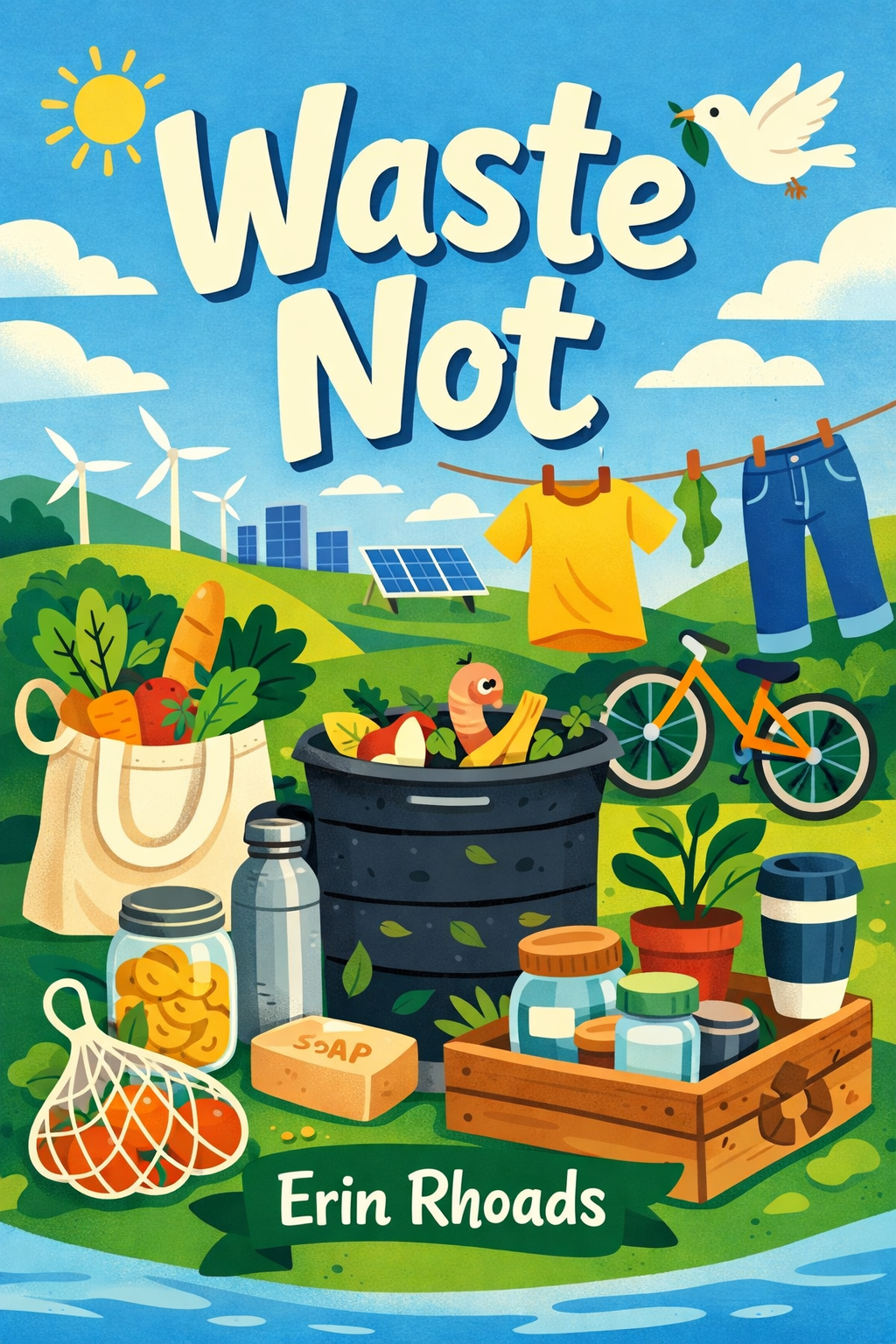
In a world increasingly burdened by consumption and disposal, a quiet revolution begins not in factories or legislative halls, but in the humble spaces of our own homes. This book presents a thoughtful and accessible philosophy, arguing that the most profound environmental changes are cultivated through personal habit and mindful daily choice. It moves beyond the familiar mantra of “reduce, reuse, recycle” to explore a deeper, more systemic relationship with the objects and resources that flow through our lives. The core premise is that waste is not an inevitable byproduct of living but a design flaw in our personal systems, one that can be identified and corrected with intention and clarity.
The journey starts with awareness. The reader is invited to conduct a simple yet revealing audit of their own household waste, not with guilt, but with the curious eye of a scientist. This process of observation—examining what fills the trash bin and recycling container over a week—serves as a foundational diagnosis. It reveals patterns: the recurring packaging from daily conveniences, the food forgotten at the back of the refrigerator, the broken item replaced instead of repaired. This awareness is the first and most crucial step, transforming waste from an invisible abstraction into a tangible, manageable stream of materials.
From this point of understanding, the book unfolds as a room-by-room guide to reimagining domestic life. In the kitchen, the focus shifts to food. Strategies for meal planning, proper storage, and creative use of leftovers are presented not as austere measures, but as arts that save money, time, and resources. The concept of “root-to-stem” cooking, which utilizes all parts of a vegetable, and techniques for reviving less-than-perfect produce are offered as culinary adventures. The book encourages a relationship with food that honors its journey and minimizes its premature departure to the compost or landfill.
The examination then moves to the realm of consumer goods. Here, the text challenges the impulse of immediate acquisition by proposing a “mindful procurement” framework. Before any purchase, a series of questions are posed: Is this necessary? Do I already own something that serves this purpose? Can I borrow, rent, or find it secondhand? What is the full lifecycle of this product—how was it made, how long will it last, and what will become of it? This conscious approach to buying naturally reduces the influx of potential waste, curbing the flow of unwanted items before they ever enter the home.
For the items that are already present, the book champions the skills of maintenance and repair. It laments the cultural shift away from fixing things and provides basic guidance for mending clothing, revitalizing worn furniture, and troubleshooting simple appliance failures. This section is a celebration of stewardship over ownership, suggesting that the care we invest in our possessions extends their life, reduces demand for new production, and fosters a deeper sense of satisfaction and connection to our material world.
Beyond physical objects, the philosophy extends to less visible forms of waste: energy, water, and even time. Practical tips for reducing utility consumption are paired with a broader reflection on efficiency and purpose in daily routines. The book suggests that streamlining our physical environment often leads to a calmer, less cluttered mental space, arguing that the benefits of a low-waste lifestyle are as much personal as they are planetary.
Importantly, the narrative acknowledges that perfection is neither possible nor the goal. Systemic change is still required, and individual actions exist within a larger economic and industrial context. The book does not burden the reader with the weight of the world’s problems but instead empowers them with agency over their personal domain. It builds a compelling case that collective action is, in fact, a mosaic of individual choices. When millions of households slightly reduce their waste stream, the cumulative effect can redirect the flow of entire industries and inspire community-level solutions.
Ultimately, this guide is an invitation to live more deliberately. It frames waste reduction not as a series of sacrifices, but as a path to a more economical, organized, and meaningful existence. By thoughtfully engaging with what we bring into our lives and how we let it go, we craft a lifestyle that is lighter on the earth and richer in experience. The book concludes with a sense of optimism, portraying a future where our homes are not endpoints for consumption but thoughtful hubs in a circular economy, demonstrating that the simplest actions, taken consistently, can weave a stronger, more sustainable fabric for society.