Description
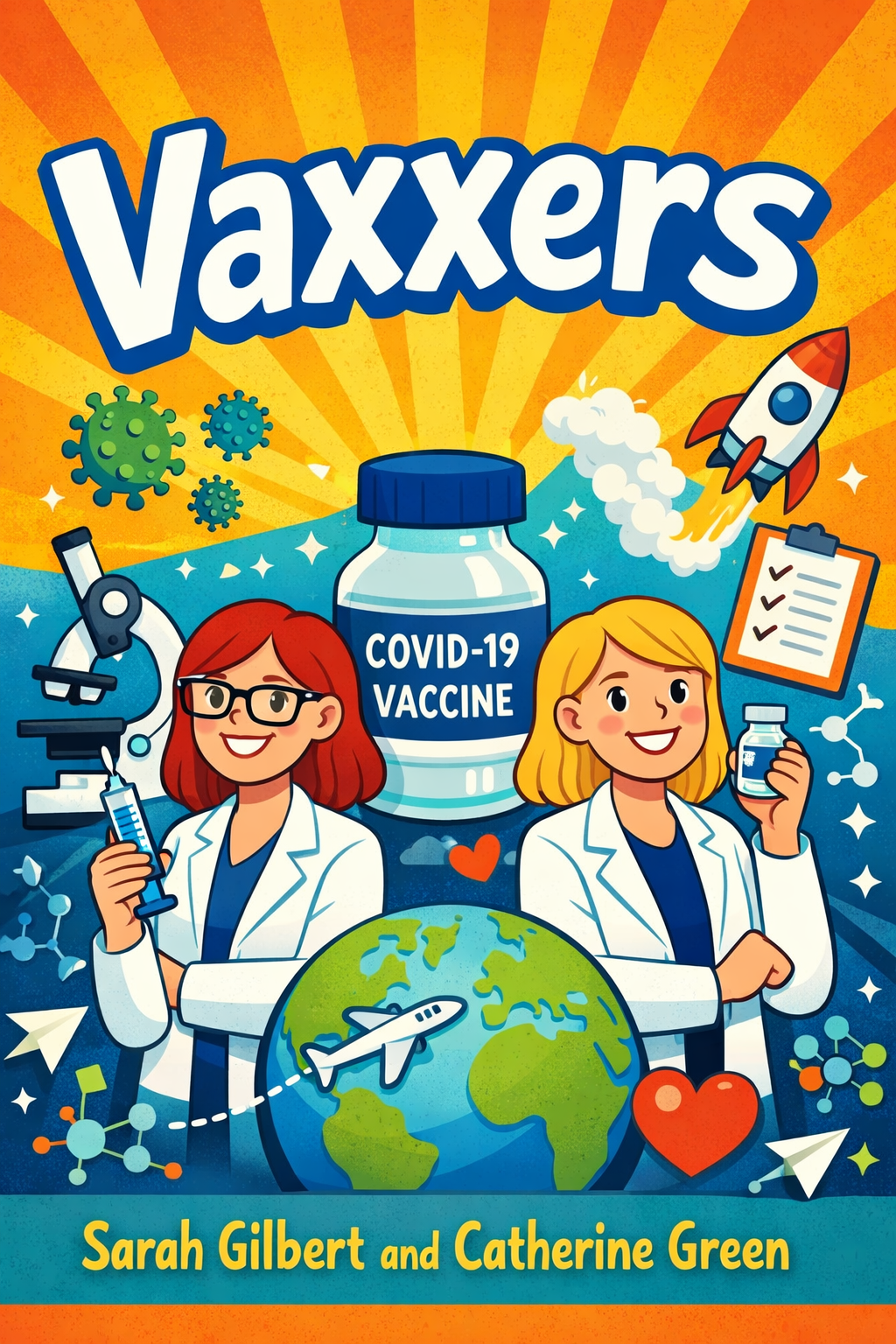
The journey to create a vaccine against COVID-19 did not begin in 2020. For years, scientists like Sarah Gilbert and Catherine Green had been quietly building the tools and knowledge necessary to confront a global health emergency. Their work was part of a long-standing scientific effort to understand viral outbreaks, from SARS and MERS to Ebola. Each of these crises, while tragic, served as a harsh lesson, revealing gaps in global preparedness and pushing vaccine technology forward. Long before the novel coronavirus had a name, researchers were developing a flexible “platform” technology designed to be adapted rapidly when a new threat emerged. This foundational work meant that when the pandemic hit, they were not starting from scratch but from a position of hard-won readiness.
The critical breakthrough was the development of the ChAdOx1 platform. This technology uses a harmless, modified chimpanzee adenovirus as a delivery vehicle, or vector. Think of this vector as a postal truck. Scientists strip out its original instructions and, in their place, insert genetic code that tells human cells to make a specific part of a pathogen, like the spike protein of a coronavirus. The body then learns to recognize and attack this protein, building immunity without ever encountering the dangerous virus itself. This platform had already been used successfully to create a vaccine candidate for MERS, another coronavirus. When Chinese researchers published the genetic sequence of SARS-CoV-2 in January 2020, Gilbert, Green, and their team at Oxford had their new instructions. Within days, they had designed the COVID-19 vaccine; the “postal truck” was simply loaded with a new address.
Speed was imperative, but it could not come at the cost of safety or scientific rigor. The unprecedented pace was achieved by compressing a process that normally takes years through a strategy called “at-risk” development. This meant investing time, resources, and effort into the next stage of manufacturing and testing before the previous stage had received final, formal approval. The “risk” was not to public safety—all standard safety checks and clinical trial protocols were meticulously followed—but to the scientists’ time and precious funding. It was a gamble that the data would be positive. If a stage had failed, all the work that followed would have been wasted. This approach, driven by the catastrophic spread of the virus, allowed stages that usually occur in sequence to run in parallel, shaving years off the timeline.
The monumental task of turning a brilliant laboratory vaccine into billions of doses required a partnership of global scale. The university lab, expert in research, needed an industrial partner with the capacity for mass production and worldwide distribution. The alliance with AstraZeneca was pivotal. The pharmaceutical giant provided the vast manufacturing infrastructure, supply chains, and logistical expertise to produce the vaccine at cost, ensuring it was accessible to low- and middle-income countries. This collaboration, alongside crucial funding from governments and philanthropic organizations, transformed a scientific triumph into a tangible tool for global public health. The vaccine then had to prove itself. It underwent the same rigorous three-phase clinical trial process as any other medicine, involving tens of thousands of volunteers. The trials demonstrated both its high efficacy in preventing severe disease and hospitalization and its acceptable safety profile, leading to emergency use authorizations and, eventually, full approvals around the world.
The story of this vaccine is more than a chronicle of a single medical breakthrough; it is a blueprint for the future. The pandemic exposed critical vulnerabilities in the world’s health defenses. To prepare for the inevitable “Disease Y”—the next unknown pathogen—the authors argue for sustained investment in platform technologies, flexible manufacturing, and robust public health systems. They emphasize that science does not operate in a vacuum; public trust is its essential counterpart. Combating misinformation and building transparency are as crucial as the research itself. Ultimately, the vaccine was born from a confluence of prepared minds, courageous risk-taking, historic collaboration, and the unwavering dedication of countless individuals who worked tirelessly under immense pressure. It stands as a powerful testament to what humanity can achieve when science, industry, and global solidarity align against a common threat.