Description
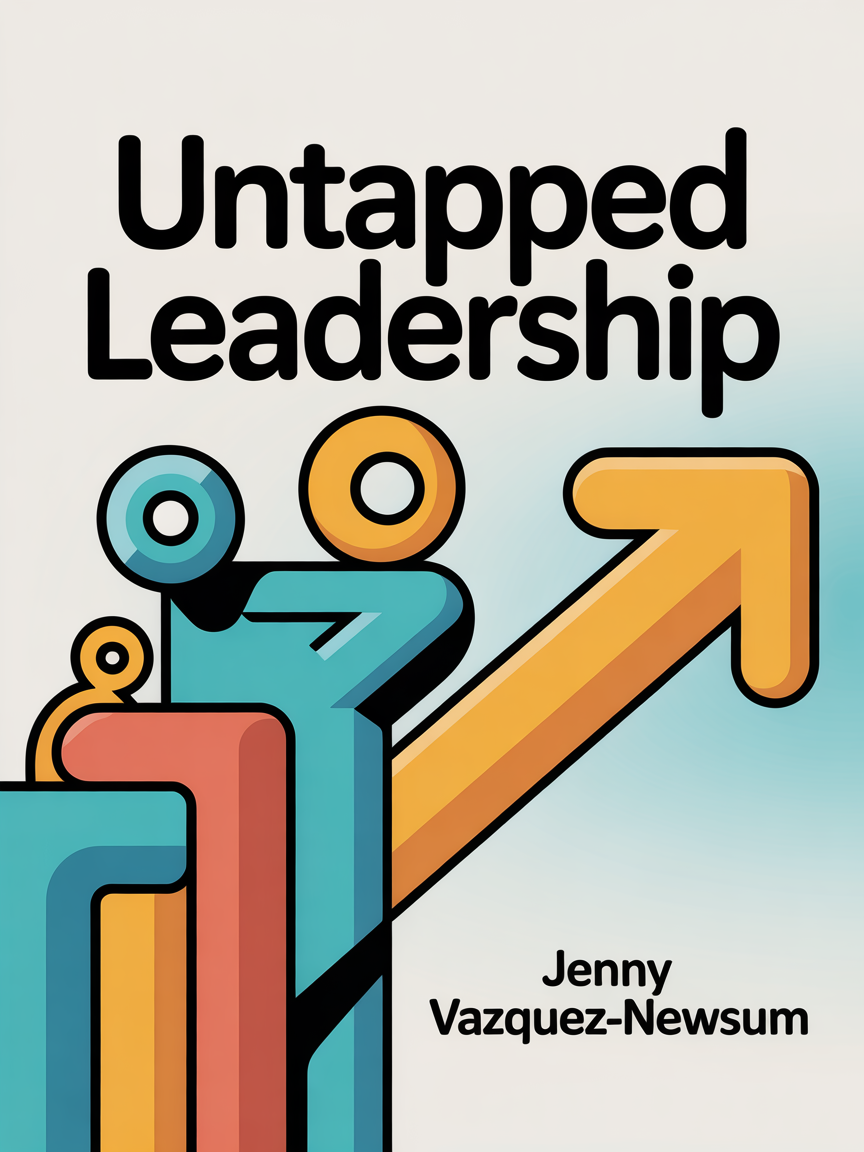
In many offices and companies today, there is a quiet struggle that most people do not see. It is a daily battle for respect and the chance to lead. This struggle is felt most deeply by people from marginalized communities. These are individuals who have the talent and the drive to lead, but they face invisible walls and old biases every single day. For a long time, the world has defined a “leader” in a very narrow way. Usually, this definition favors people who already have privilege and power. This book teaches us that it is time to change that narrow view and look at leadership through a much wider lens.
The way we currently think about leadership is often tied to who has the most power or who inherited their status. If you look at the numbers, they tell a clear story. Very few women of color or people from diverse backgrounds hold top executive roles. This is not because they lack the skill. It is because our systems are built to recognize only one type of leader. Most books and talks about leadership are written by people who have never had to face these systemic barriers. Because of this, the advice they give is often too simple. It does not work for someone who has to navigate a world that was not built for them.
We need to stop using a “one-size-fits-all” model for leadership. The experiences of leaders of color are not just different; they are incredibly valuable. When someone has to overcome obstacles and navigate a society that often overlooks them, they develop a special kind of strength. They learn how to be more empathetic, how to adapt to change quickly, and how to lead with more compassion. By ignoring these voices, organizations are missing out on the very insights that could make them more successful and creative. Diversity is not just a goal for a HR checklist; it is a smart strategy for any group that wants to grow.
One of the most important ideas here is that where you stand in society changes what you see. People who have always been in power often have “blind spots.” They might not see the small injustices or the flaws in a system because the system works well for them. However, people who live on the “margins” see everything. They understand the complex social issues and the hidden dynamics of a workplace much better than those at the top. This unique perspective allows them to ask better questions and find better solutions. To truly solve a problem, a leader must look at it from every angle, especially the angles that have been ignored for too long.
True leadership also starts from within. It requires a high level of self-awareness. This is more than just knowing if you are an introvert or an extrovert. It means looking deeply at your own biases and how your actions might affect others. Many leaders from marginalized groups are already very self-aware because they have had to “code-switch” or change how they act just to fit into certain environments. This ability to see oneself clearly is a gift that all leaders should practice. It is about closing the gap between who we think we are and how others actually experience us.
Many companies try to fix their culture with a single training session or a one-day retreat. This book argues that this never works. You cannot fix deep, systemic issues with a “quick fix.” Real change happens in the small, daily actions. It happens in how you talk to your team, how you handle a mistake, and how you make sure everyone feels heard. A leader’s job is to leave a place better than they found it. This means doing the hard work of breaking down barriers so that the next generation of leaders has a smoother path to follow.
This kind of work takes a long time. In a world that wants everything to happen instantly, we have to learn to be patient. Promoting inclusion is a marathon, not a sprint. Leaders must resist the pressure to show immediate results and instead focus on making meaningful, lasting progress. This also means being careful not to burn out. Leaders who are trying to change the world often carry a heavy burden. They need to set boundaries and find sustainable ways to work so they can keep going for the long haul.
To make room for new voices, we have to slow down. Our modern world is very fast-paced, and that speed often rewards the same old ways of doing things. When we rush, we don’t have time to listen deeply or think about different perspectives. By creating “pauses” in the workday—through things like reflection or honest feedback—we create space for new ideas to grow. This slower pace allows for real dialogue and helps build a culture where people feel safe to speak their minds.
Trust is the foundation of any healthy organization. If people do not feel safe, they will not share their unique insights. You cannot have a diverse and inclusive team if the environment is toxic. Building a culture of trust takes a huge investment of time and energy, but it is the only way to make lasting change. It is about creating a space where everyone feels they belong and where their contributions are truly valued.
We are living in a time where we have a great opportunity to redefine what it means to lead. We can choose to keep the old, exclusive models, or we can build something new. The future of leadership belongs to those who are willing to listen to the voices that have been silenced. It belongs to those who value empathy as much as they value results. By embracing this new way of leading, we don’t just help marginalized people; we create a better, more effective, and more just world for everyone.
This journey is not easy, and there is no map to follow. It requires courage to challenge the status quo and humility to learn from others. But the rewards are worth it. When we tap into the leadership potential of everyone, regardless of their background, we unlock a level of creativity and innovation that we have never seen before. It is time to move away from the top-down models of the past and move toward a future that is as diverse and dynamic as the world we live in today.
I hope this summary helps you grow your brand at Winkist and provides your readers with a clear, inspiring look at how leadership is changing for the better.