Description
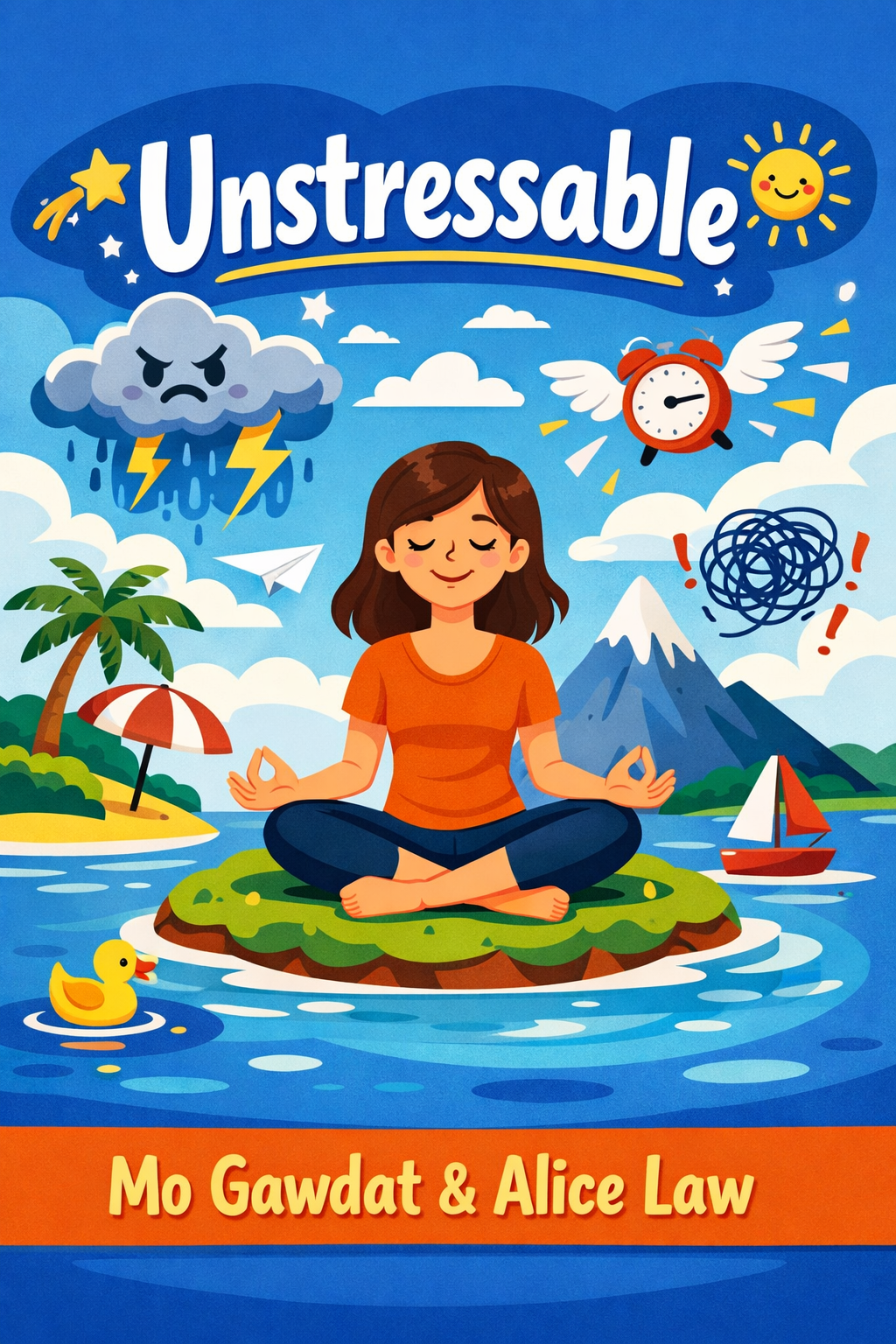
Modern life is saturated with stress, a silent epidemic undermining health and happiness. Yet this state of constant pressure is not an inevitable sentence. The journey to becoming “unstressable” begins with a radical shift in perspective: stress is not defined by what happens to us, but by how we choose to respond. By mastering specific skills and frameworks, we can move from being overwhelmed by life’s demands to meeting them with resilience and calm.
The first step is understanding stress at a biological level. It is an ancient survival mechanism, flooding the body with hormones like cortisol to prepare for fight or flight. This system works perfectly for acute, physical threats. The modern predicament arises when psychological worries—about deadlines, finances, or relationships—trigger this same primal alarm, and it never turns off. Chronic stress keeps the body in a corrosive state of high alert, damaging physical health, clouding mental focus, and eroding emotional well-being. To counter this, a powerful foundational strategy involves cultivating the Three L’s: Limiting unnecessary stressors by setting boundaries, Learning from each stressful experience to build a personal toolkit, and Listening to the wisdom of your body and emotions to catch tension early.
To effectively manage stress, we must learn to identify its various forms. A useful taxonomy categorizes stressors into four types: Traumas, which are major life shocks that overwhelm our coping capacity; Obsessions, the persistent, looping negative thoughts that amplify worry; Nuisances, the daily hassles that accumulate into a heavy burden; and Noise, the constant background chatter of self-criticism and doubt. Naming these different strains demystifies the vague feeling of being “stressed out” and allows for targeted strategies. It reveals that often, our internal narrative—our obsessions and noise—can be more damaging than the external event itself.
With this understanding, we can directly address the engine of much of our stress: our own thinking. A critical insight is that we are not our thoughts. The mind generates a constant stream of ideas, many of which are unhelpful exaggerations. We can learn to question them. A practical method involves three anchors: first, interrogate a stressful thought’s validity; second, if it is true, shift into solution-focused action; and third, for situations beyond control, practice committed acceptance—choosing to move forward with purpose despite difficulty. Proactively, we can make a “deal” with our brain, training it to favor thoughts that are either useful for problem-solving or joyful for well-being, gently dismissing those that are not.
True resilience also requires engaging skillfully with our emotions, not suppressing them. Emotional intelligence is the capacity to recognize, understand, and manage our feelings. A pivotal realization is that a raw emotion, as a biochemical event, typically lasts only about 90 seconds in the body. What prolongs it is our mental story about it. Techniques like journaling to process feelings or targeted practices like tapping can help release stuck emotional energy. By approaching emotions with curiosity rather than fear, we transform them from enemies into guides, pointing toward our needs and values.
Ultimately, becoming unstressable is the cultivation of a new default state. It integrates these skills into a lifestyle oriented around proactive peace rather than reactive panic. It involves building daily habits that fortify mental and physical buffers against pressure, from mindfulness practices to intentional rest. This journey is not about eliminating all stress—a life without challenge is stagnant—but about changing our relationship to it. It is about developing the flexibility to bend without breaking, the clarity to see thoughts as thoughts, and the courage to feel emotions fully. The path forward is one of empowered choice, where we reclaim authorship of our inner world and build a life defined not by stress, but by purposeful resilience.