Description
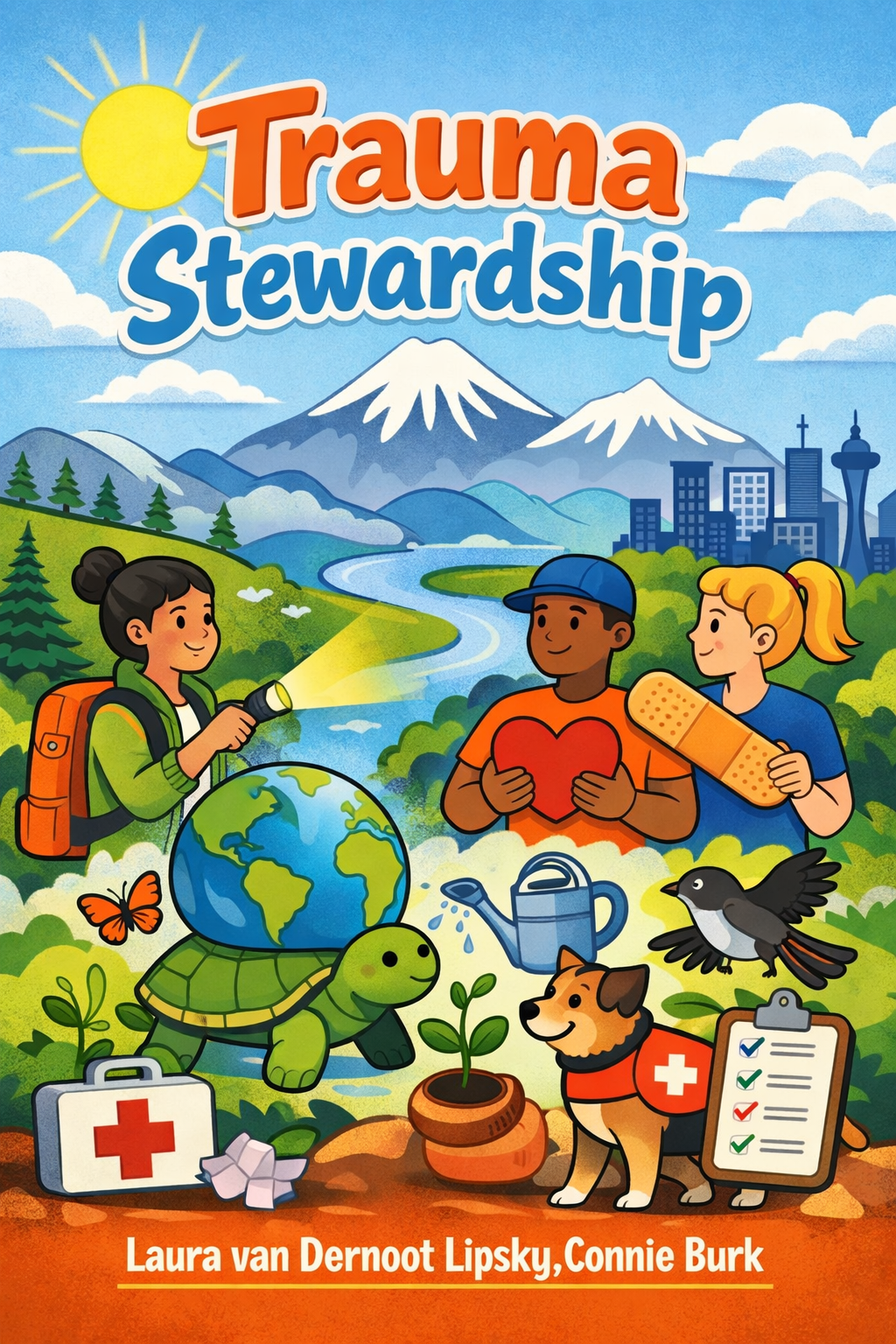
In a world where suffering is pervasive, countless individuals in caregiving roles—from healthcare workers and teachers to activists and first responders—confront trauma as a daily reality. This constant exposure to pain, whether through direct service or bearing witness to global crises, inevitably leaves a mark. It shapes not only the mind and emotions but also the physical body, often in subtle ways that accumulate over time. The central premise of this work is that while we cannot always control the trauma we encounter, we hold profound power in how we relate to it. By moving beyond mere survival or burnout, we can learn to steward these experiences with intention, preserving our capacity for compassion without sacrificing our own well-being.
The journey begins with understanding the natural, human responses to repeated trauma exposure. These are not signs of failure but predictable adaptations. You might notice a creeping cynicism, a sense of emotional numbness, or a hypervigilance that disrupts sleep and peace. Perhaps work thoughts intrude constantly during personal time, or relationships feel strained by an unseen weight. Your personal history deeply influences this response, making you uniquely attuned to certain pains while potentially more vulnerable in other areas. Recognizing these patterns is the first, crucial step off the autopilot of exhaustion. It involves developing a compassionate curiosity toward your own reactions, understanding that the body keeps score through fatigue, tension, or illness, and that the mind constructs protective barriers that can eventually wall you off from joy.
Sustainable stewardship is fundamentally an inside-out process. It requires turning your caring attention inward to notice your own warning signs. This might involve simple, regular practices: a mindful check-in to scan for held tension, journaling to trace patterns of mood and engagement, or consciously cultivating moments of genuine respite. It means honoring the need for healthy boundaries—not as walls of detachment, but as conscious choices about what you can hold and when you need to replenish. The goal is not to become an emotionless fortress, but to develop the resilience to remain present with suffering without being consumed by it. This personal foundation is built through deliberate choices about rest, nutrition, movement, and the cultivation of a life and identity that exists meaningfully outside of the helping role.
However, individuals do not operate in a vacuum. Organizations and systems themselves can absorb and manifest trauma, creating cultures that either exacerbate or alleviate the strain on their members. A workplace may normalize crisis-mode operation, treat exhaustion as a badge of honor, or discourage conversations about emotional impact. These environments create collective symptoms: communication breakdowns, pervasive anxiety, high turnover, and a loss of creativity and purpose. Conversely, organizations can become powerful containers for healing and resilience. This happens when leadership acknowledges the weight of the work and creates structures to support it—such as regular, non-judgmental debriefings, flexible schedules that allow for recovery, access to mental health resources, and peer support networks. Transforming organizational culture involves shifting from valuing only output to valuing the sustainable well-being of the people who generate it.
The ripple effects of this approach extend far beyond the individual or the institution. When caregivers are supported in stewarding their trauma exposure, the quality of care they provide becomes more authentic, attuned, and sustainable. This fosters healthier communities and more effective systems. The work ultimately invites a profound shift in perspective: from seeing trauma exposure as an inevitable hazard to viewing our relationship with suffering as something we can consciously shape. It is a practice of staying present to both the pain of the world and the possibility of healing, of holding hope and despair in balance. By committing to this path of stewardship, we protect our own humanity, enhance our capacity to serve, and contribute to a culture of care that can endure. The journey is ongoing, demanding both gentle self-compassion and courageous action, but it leads toward a way of being in the world that is integrated, purposeful, and whole.