Description
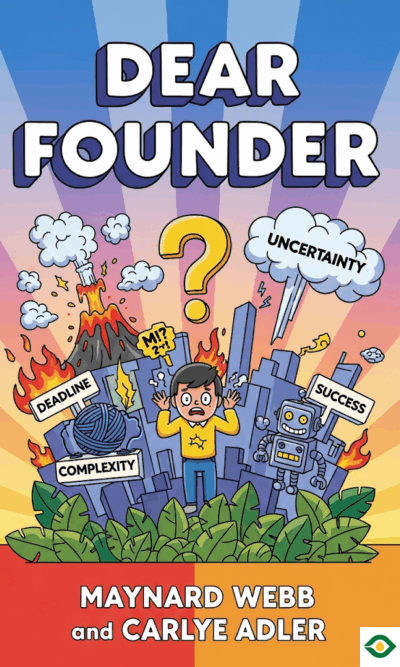
Many businesses operate under the illusion that their project management processes are adequate, only to be blindsided by budget overruns, missed deadlines, and outright project failure. The core issue lies not in a lack of effort, but in deeply ingrained traditional methods that set managers up for disappointment. This resource dismantles these outdated practices, revealing why so many projects veer off course and providing a clear blueprint for a more realistic and effective approach. The journey begins not with the project itself, but with the foundational strategy that precedes it.
Effective strategic planning is the critical first step, but it is often performed as a hollow ritual. To be valuable, it must move beyond generic aspirations and focus on three concrete elements. First, a clear-eyed assessment of the internal and external environment, using tools like a broadly interpreted SWOT analysis that considers social trends and workforce morale alongside competitors and finances. Second, establishing a simple, unambiguous baseline—a single key metric that acts as the company’s vital sign. Third, and most importantly, setting a specific, ambitious benchmark for improvement against that baseline. This benchmark then becomes the target for which projects are designed. However, even the perfect plan is doomed if crafted by an echo chamber. Populating the planning team requires deliberate diversity. While senior executives provide experience, their attachment to the status quo can stifle innovation. Including energetic, candid junior employees injects fresh perspective, while representatives from sales, marketing, and finance ensure all operational realities are considered. Crucially, a project manager must be present from the start to bridge the gap between strategic dreams and practical execution, beginning the crucial work of budgeting and scheduling with a dose of reality.
When it comes to budgeting, traditional guidelines are dangerously simplistic. They capture direct costs like labor and materials but consistently overlook a host of indirect expenses that collectively sink financial forecasts. Costs for staff meetings, recruitment, training, and the planning phase itself are frequently omitted. The treatment of risk is also insufficient. While calculating the monetary value of a risk—its probability multiplied by its cost—is standard, it ignores the profound impact of time. A more complete picture requires calculating the *time value of risk*: the probability of a delay multiplied by the cost of that delay. By integrating these hidden and temporal costs, budgets transform from optimistic guesses into robust financial plans that can withstand real-world pressures.
Scheduling suffers from a parallel optimism bias, rooted in a fundamental overestimation of human productivity. Studies suggest that on average, only about half of paid work time is spent on productive tasks. The rest is consumed by necessary breaks, communication, and inevitable downtime. Furthermore, non-worked time—holidays, sick days, training—can account for another significant portion of the calendar. A project manager who schedules tasks based on 100% productive efficiency is living in a fantasy. A more accurate approach requires at least doubling the estimated productive hours to account for actual human performance patterns. Failing to do so guarantees a schedule that looks impeccable on paper but collapses under the weight of reality.
The formal agreements governing projects, the contracts, are another common pitfall. Their precise language is a minefield. A vague or incomplete clause can render a contract unenforceable, even when one party clearly fails to deliver. It is not enough to define what constitutes a breach; a contract must explicitly detail the remedies and penalties for that breach. Ambiguity in these documents is not a minor oversight; it is an open invitation for costly disputes and unmet expectations. Ultimately, navigating all these complexities—strategic alignment, financial accuracy, realistic scheduling, and legal precision—demands a specific and skilled individual. The true project manager is not merely an administrator or a note-taker, but a skilled integrator, translator, and leader. She must harmonize the strategic vision of executives with the practical constraints of the team, translate between technical experts and business stakeholders, and maintain a clear view of both the forest and the trees. This role requires a unique blend of analytical rigor, psychological insight, and steadfast communication. By adopting this comprehensive and clear-eyed framework, organizations can replace a cycle of frustration with a discipline of predictable success, ensuring that their most important endeavors are built on a foundation of reality, not hope.