Description
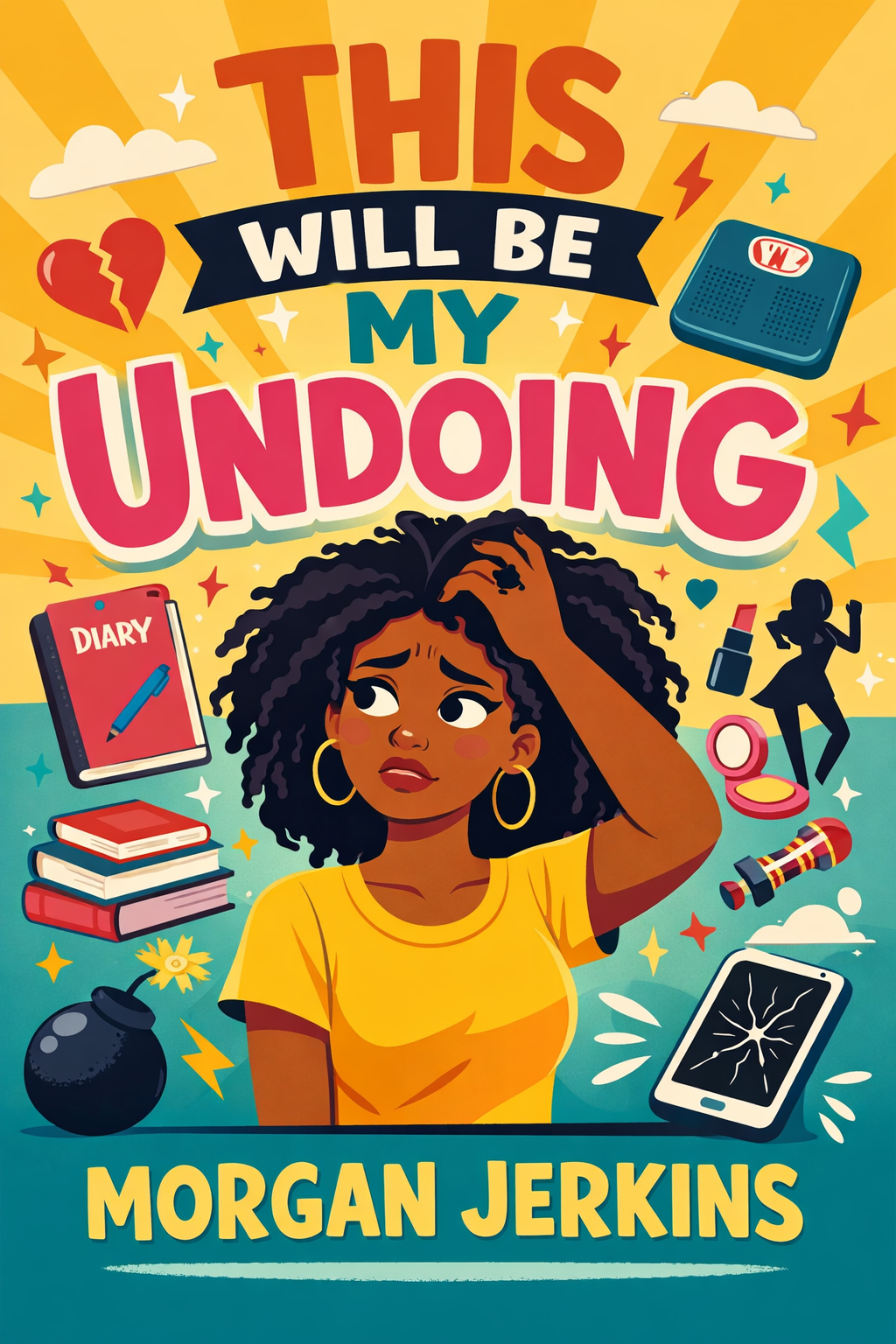
In her penetrating collection of essays, Morgan Jerkins delivers a powerful meditation on what it means to inhabit a Black female body in contemporary America. The work is a deeply personal and culturally astute examination of identity, drawing from her own life to illuminate universal struggles and systemic injustices. Jerkins begins by dismantling the false choice often presented to her: to be seen as a human or as a Black woman. She recounts how her education, career, and mannerisms have led some to compliment her by essentially calling her “white,” revealing a pervasive societal logic where humanity is reserved for whiteness and Blackness is relegated to a set of negative stereotypes. To be articulate and accomplished, she argues, is to be seen as an exception to Black womanhood, not an expression of it. This foundational insight frames her entire exploration: the constant negotiation between self and a world that seeks to define, limit, and consume Black female identity.
Jerkins forcefully debunks the well-intentioned but harmful myth of color-blindness. She posits that refusing to see color is not progressive; it is a refusal to see history, culture, and current reality. When white people claim not to see race, they often impose a “universal” standard that is, in fact, a white perspective. This erasure ignores the specific challenges of systemic racism and dismisses the rich cultural heritage that shapes Black life. To be color-blind is to ask Black people to camouflage themselves, to assimilate so completely that their Blackness becomes invisible. True progress, Jerkins contends, requires seeing color clearly—acknowledging difference not to perpetuate hierarchy but to understand experience and validate identity.
The historical exploitation of Black women’s bodies forms a critical thread in Jerkins’ analysis. She traces a direct line from the grotesque display of figures like the Hottentot Venus to modern fetishization. The legacy of slavery, where Black bodies were property, manifests today in a pervasive sexualization that robs Black women of agency and complexity. Jerkins extends this to the seemingly innocent act of a white person asking to touch a Black woman’s hair. This gesture, she explains, is not a compliment but an assertion of power, a reduction of a person to a curious object. Black hair, with its deep cultural and political significance, becomes a site of struggle—natural styles are acts of defiance, and their appropriation by white celebrities is celebrated while Black women face discrimination for the very same expressions.
Jerkins turns a critical eye toward mainstream feminism, exposing its frequent failure to include Black women. Using the example of the film *Girlhood*, she illustrates how narratives about Black girls are often generalized as universal stories of girlhood, thereby erasing the specific realities of racialized sexualization and stigma. A white girl experimenting with drugs in media may be seen as rebellious; a Black girl risks being seen as a future addict. This lack of nuanced representation has real consequences. Jerkins argues that feminism cannot succeed if it ignores these stark discrepancies. White women, she suggests, must engage reflexively, understanding that while they can be allies, they can never fully empathize with the Black female experience—and that this limitation must be acknowledged, not overcome through forced universality.
The complexity of Black womanhood itself is a central theme. Jerkins rejects the monolithic stereotypes, both from outside and within the community, such as the “strong Black woman” trope that forbids vulnerability. This expectation, born from a history of survival, can become a prison, preventing Black women from expressing full emotional ranges and rejecting undeserved burdens. She also dissects the painful irony of cultural appropriation: aspects of Black culture deemed “ghetto” or threatening on Black bodies become trendy and profitable when adopted by white women. Dance moves like twerking and hairstyles like cornrows are celebrated on white celebrities while policed on Black girls in schools and workplaces. This dynamic, Jerkins shows, allows white culture to siphon the aesthetics of Blackness while continuing to oppress Black people.
In her final arguments, Jerkins calls for solidarity among Black women. Rejecting the “crabs in a barrel” metaphor that suggests Black people pull each other down, she advocates for a ethos of mutual support. In a world not designed for their success, Black women strengthening one another is not a threat to individual achievement but its necessary foundation. The path forward requires an unflinching recognition of the intersecting forces of racism and sexism, a rejection of the frameworks that seek to diminish Black female life, and a committed practice of lifting as you climb. Jerkins’ work is ultimately a challenge: to see Black women in their full humanity, to honor the specificity of their journey, and to actively participate in building a society where that humanity is no longer the exception, but the rule.