Description
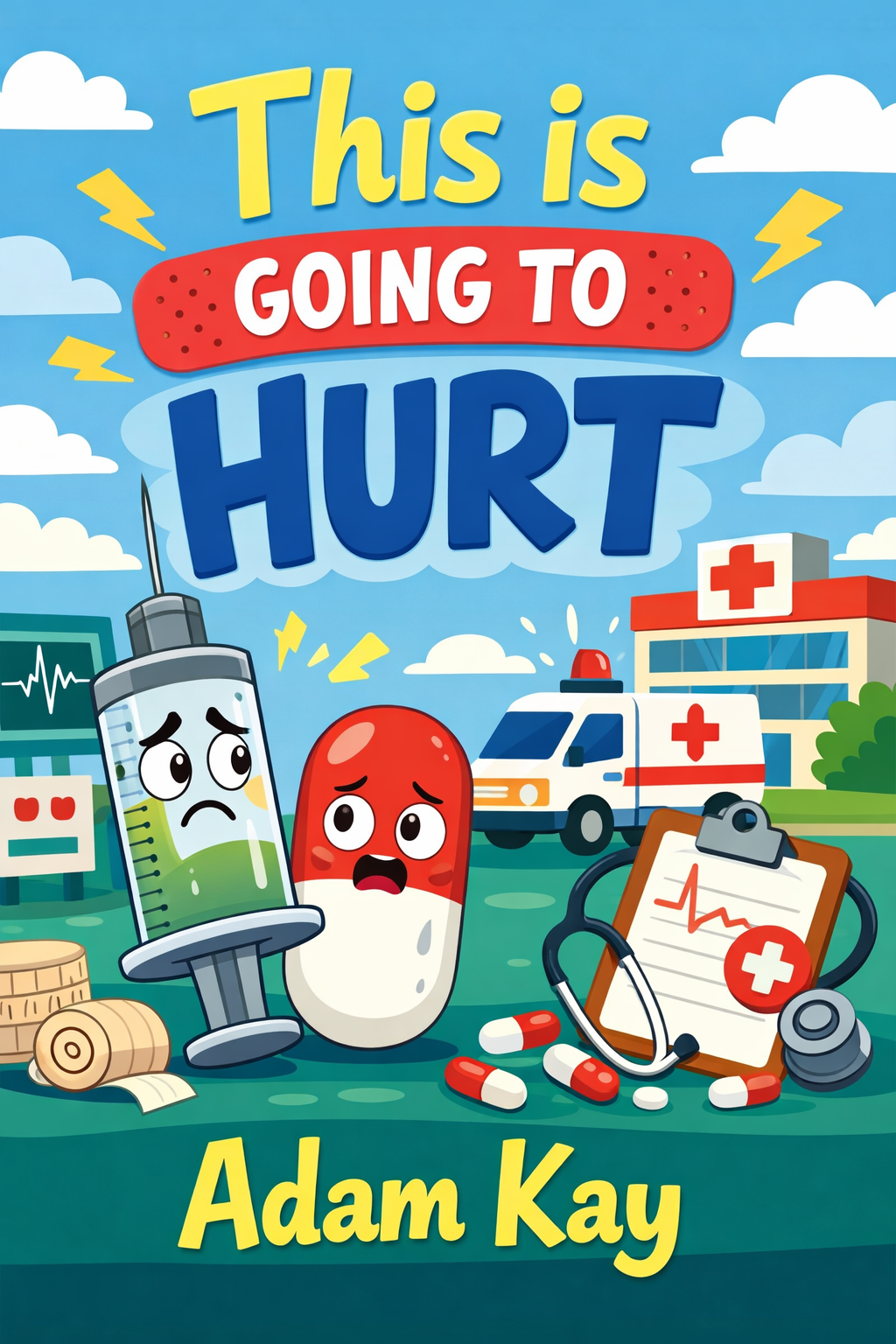
Adam Kay’s memoir pulls back the curtain on the National Health Service with a shocking, hilarious, and deeply human account of his years as a junior doctor. What begins as a journey to follow in his father’s footsteps quickly becomes a baptism by fire, a relentless marathon of 90-hour weeks, life-or-death decisions, and a salary that barely surpasses that of a bank teller. The book is structured around Kay’s ascent through the rigid NHS hierarchy, from a clueless House Officer to a more seasoned but still overwhelmed Registrar, each promotion bringing more responsibility but little relief from the punishing workload and systemic pressures.
The narrative is propelled by a dizzying array of patient encounters, ranging from the tragic to the utterly absurd. Kay spares no detail in describing the visceral reality of hospital life, from his first successful save of a dying man to his first encounter with a “degloving” injury involving a lamp post and an unfortunate drunk teenager. The obstetrics and gynecology ward, his chosen specialty, provides a particularly rich vein of stories: there’s the woman who mistook blood clots for her placenta and attempted to eat them, the couple whose engagement hinged on retrieving a Kinder Surprise egg from an intimate location, and the constant parade of household objects requiring removal from rectums. These anecdotes, while often laugh-out-loud funny, are never told merely for shock value; they underscore the sheer unpredictability and dark humor that become essential coping mechanisms for medical staff.
Beneath the gallows humor lies a searing critique of a system pushed to its breaking point. Kay meticulously documents the human cost of underfunding and understaffing. The exhaustion is palpable—falling asleep in his car in the hospital parking lot on Christmas morning, missing every meaningful event in his personal life, and watching his relationship disintegrate under the strain of endless shifts. The pressure is relentless, with junior doctors operating in a state of perpetual fear: fear of making a fatal mistake, fear of the constantly bleeping pager, and fear of the overwhelming responsibility for countless lives. Kay portrays a culture where admitting vulnerability or needing rest is seen as a weakness, leading to burnout and despair.
The memoir also highlights the bizarre and often frustrating interactions with patients in the internet age, from those who refuse vital antibiotics due to pharmaceutical conspiracy theories to those who believe vitamins cause arthritis. Yet, Kay never loses sight of the patients’ humanity, even in the most trying circumstances. The work’s profound moments come in the quiet victories and shared vulnerabilities: the successful delivery of a healthy baby, the gratitude of a family, and the silent camaraderie among colleagues who are all drowning together.
Ultimately, the cumulative weight of the exhaustion, the bureaucratic ineptitude, and a devastating personal tragedy involving a patient proves too much. Kay’s decision to leave the profession is portrayed not as a failure but as a survival instinct, the only escape from a system that consumes the well-being of those tasked with caring for others. The book concludes not with a neat resolution, but with a raw and powerful plea for recognition of the sacrifices made by healthcare workers. It serves as both a love letter to the ideals of the NHS and a stark warning about the consequences of neglecting the people who are its very foundation. The lasting impression is one of immense respect for those who stay, and a sobering understanding of why someone like Adam Kay simply couldn’t.