Description
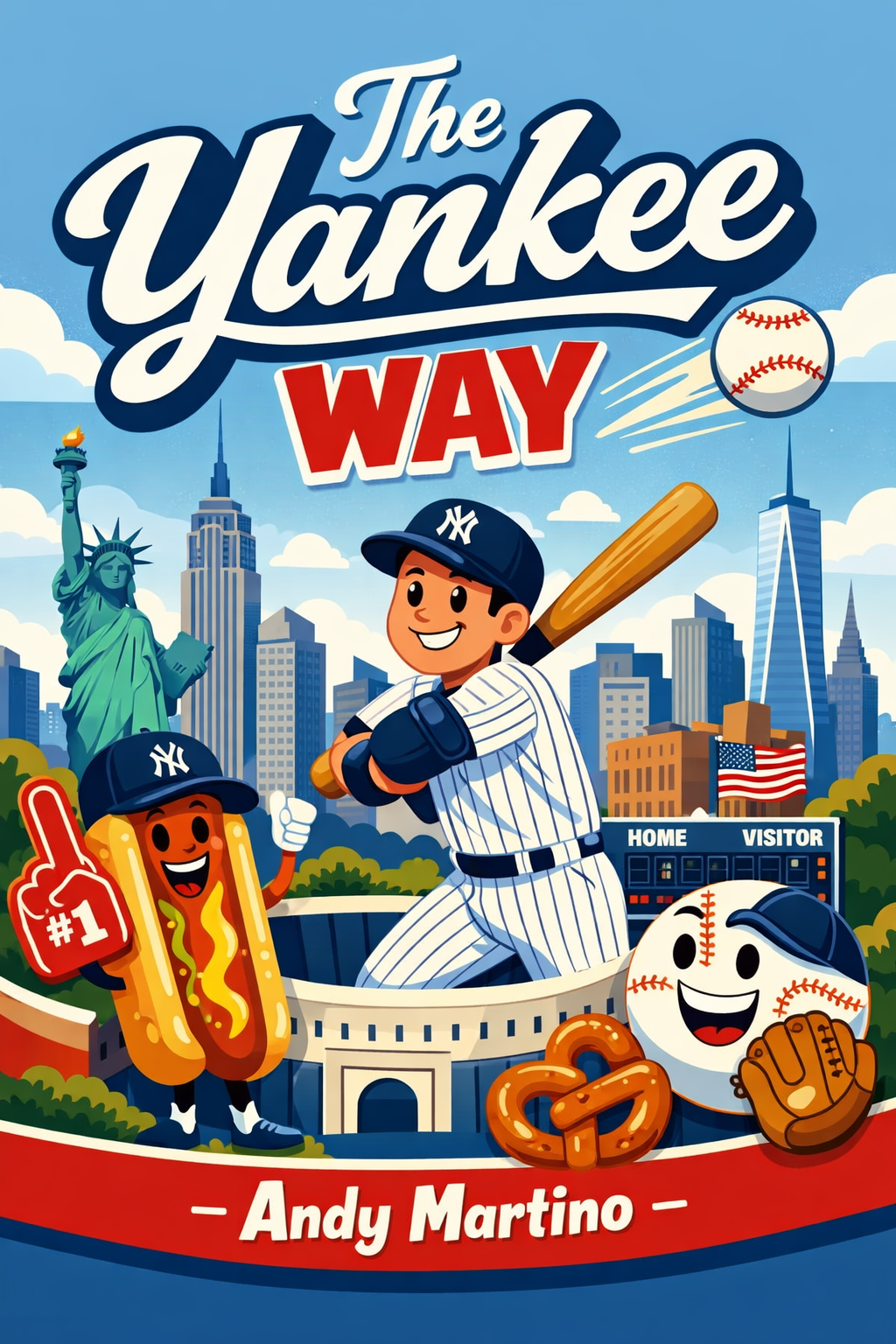
The journey of the New York Yankees from a period of profound decline to the pinnacle of baseball is a masterclass in organizational resilience and strategic reinvention. This narrative explores the pivotal decisions and key personalities that orchestrated one of sports’ most remarkable turnarounds, demonstrating that sustained excellence is never an accident but the product of calculated vision and adaptive leadership.
The foundation for this rebirth was laid during the team’s darkest hour. By the mid-1960s, the once-dominant Yankees had crumbled, finishing last in the league for the first time in over half a century. A changing landscape, including the new amateur draft, had eroded their historic advantages. Yet, within this struggle, the seeds of future glory were planted. A critical rebuild began, focusing on the draft and player development, yielding future cornerstones. The purchase of the team by George Steinbrenner in 1973 injected a volatile but undeniable force of will, channeled into aggressive free-agent acquisitions that brought short-term championships. However, the true architect of the sustainable model was Gene Michael. As a trusted executive, Michael operated with a sharp, independent baseball intellect. He championed undervalued metrics like on-base percentage and possessed a fearless eye for talent, making unpopular trades that paid monumental dividends. His philosophy prioritized a specific, disciplined profile for each position, moving away from vague notions of “talent” to a blueprint for winning. Michael’s groundwork in identifying and nurturing homegrown players created the bedrock upon which a dynasty would be built.
Central to the next phase was Brian Cashman, whose rise from intern to general manager epitomizes the Yankee Way’s blend of tradition and modernity. Immersed in the organization’s intense culture, Cashman learned from mentors like Bill Livesey, who instilled a systematic approach to scouting. Livesey’s “player profile” concept, inspired by the consistent excellence of teams like the Boston Celtics, demanded specific, measurable tools for each role on the field. This created a coherent talent pipeline. The organization complemented this with heavy investment in infrastructure, such as a state-of-the-art player development complex, fostering a year-round environment for growth. This system, though often strained by Steinbrenner’s impatience, produced the legendary “Core Four” and other stars, proving that a strong foundation could withstand internal turbulence. When Cashman assumed the general manager’s role, he inherited this robust system and the immense pressure to win immediately.
The dynasty of the late 1990s was forged through strategic leadership that balanced bold action with clubhouse chemistry. Manager Joe Torre’s calming presence and skilled handling of personalities provided the perfect counterweight to the front office’s high-stakes environment. Decisive moves, such as installing a young Derek Jeter as the everyday shortstop, were acts of faith in the system’s own products. Cashman’s early tenure was marked by shrewd acquisitions that complemented the homegrown core, building a team that achieved historic win totals and World Series victories. This era demonstrated the power of a unified vision, where analytical player evaluation met intuitive leadership, and where every decision was made with the singular goal of optimizing the team’s complex machinery.
This machinery, however, required constant maintenance, especially when managing the human element of superstar egos. The acquisition of Alex Rodriguez presented the ultimate test of the Yankee Way’s culture. Introducing a transcendent talent into a clubhouse anchored by the reserved, team-first Derek Jeter created a famous and persistent tension. This dynamic echoed past Yankee feuds, reminding everyone that clashes between legends are woven into the franchise’s fabric. Navigating this required a delicate balance, acknowledging individual brilliance while relentlessly prioritizing the collective goal. The challenge of integrating A-Rod symbolized the modern dilemma of assembling talent versus cultivating cohesion, a tension the organization had to manage continuously as it evolved.
Ultimately, the Yankees’ sustained success stemmed from transforming their proud tradition into a platform for data-driven innovation. As baseball entered the analytics age, the organization adeptly integrated advanced metrics and technological tools into its decision-making processes without abandoning the scouting instincts and winning culture that defined its past. This synthesis allowed them to evaluate talent in new dimensions, optimize in-game strategy, and maintain a competitive edge in an increasingly sophisticated landscape. The Yankee Way, therefore, is not a static set of rules but a living philosophy. It is the story of an institution learning from its lows, building a systematic foundation, empowering strategic leaders, managing the inevitable tensions of high-stakes sport, and perpetually adapting to the future. It proves that legacy is not a shield to hide behind, but a foundation to build upon, requiring equal parts reverence for the past and courage to reinvent.