Description
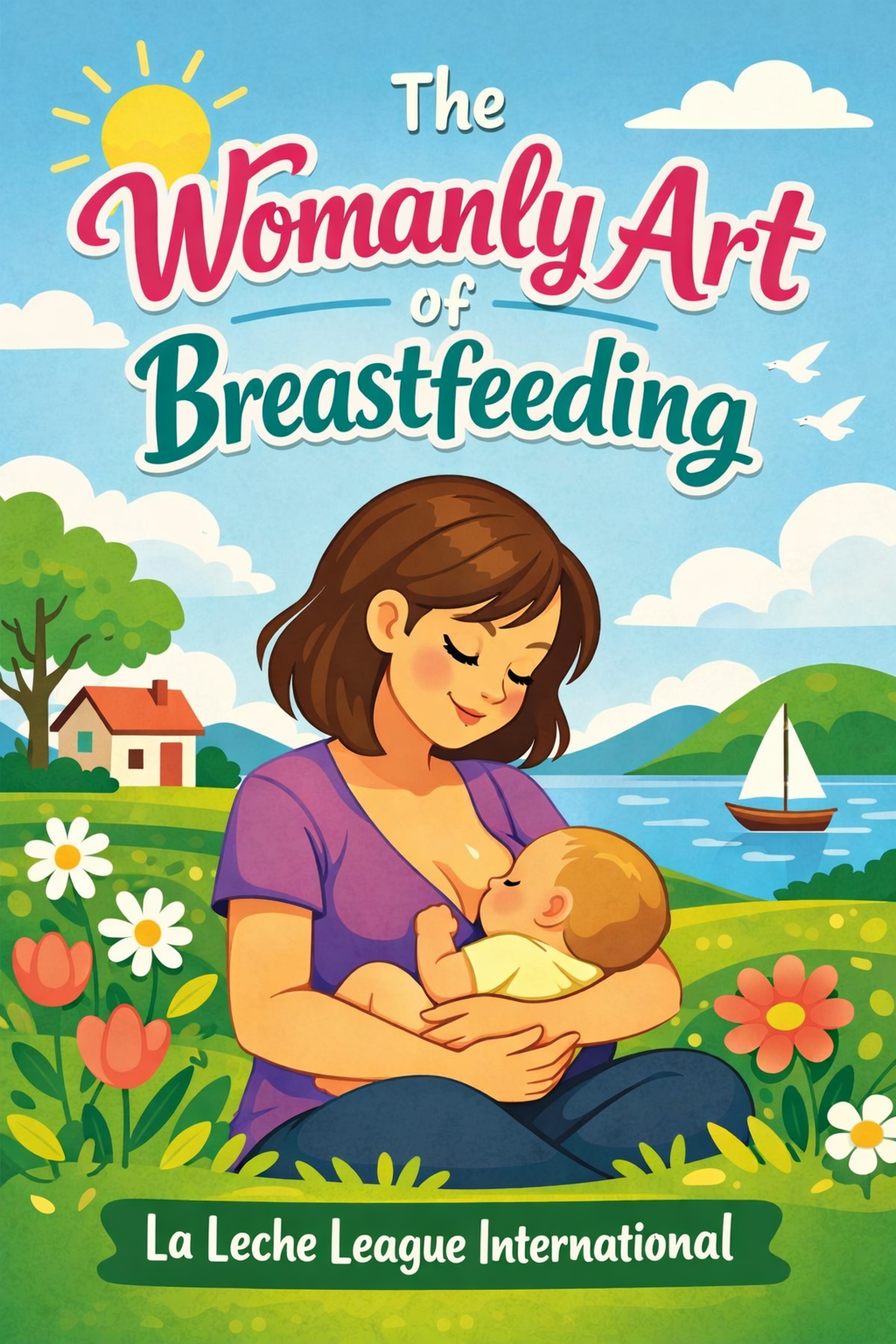
For many new parents, breastfeeding is shrouded in a mix of cultural pressure and personal anxiety, often fueled by well-meaning but inaccurate advice. This book serves as a calm, authoritative voice in the noise, dismantling fears and replacing them with practical knowledge and deep reassurance. At its core, the philosophy is one of trust—trust in your body’s innate capabilities and trust in your baby’s ability to communicate their needs. The journey begins not with rigid schedules or rules, but with observing and responding to your child, allowing them to lead the way in establishing feeding rhythms. This baby-led approach, while sometimes demanding, is presented as the most natural path to ensuring they are well-nourished and content, freeing parents from the constant worry of whether they are “doing it right” or providing enough.
The benefits of breastfeeding, for both child and parent, are explored in a holistic manner that goes beyond basic nutrition. While the book details the unparalleled immunological and nutritional profile of breast milk, designed to perfectly support a growing infant, it also highlights the profound physiological and emotional connections forged through the act. For the baby, it aids in the crucial development of jaw and facial muscles, while for the parent, it stimulates hormonal responses that aid physical recovery postpartum. Perhaps most importantly, it frames breastfeeding as a foundational relationship-building tool, a quiet space for bonding and mutual understanding that provides security for the baby and confidence for the parent.
A significant portion of the guide is dedicated to dismantling common myths and addressing very real concerns. It firmly asserts that most people can breastfeed, regardless of breast size, nipple shape, or previous medical history. With clear, non-judgmental language, it offers tangible strategies for navigating physical variations, such as using compression techniques for easier latching or temporary shields for inverted nipples. The book then moves into troubleshooting common complications, from the perception of low milk supply—often a misdiagnosis when a baby is simply cluster feeding—to the realities of feeding after a Caesarean section or with a premature infant. It provides clear guidelines for identifying true issues and offers solutions, emphasizing that pain is not a normal part of the process and that a poor latch should always be corrected.
Equally valuable is the section on navigating the external world of “well-meaning bad advice.” The book arms parents with facts to counter outdated notions, such as strict feeding timetables or the myth of “foremilk” and “hindmilk.” It empowers them to confidently follow their and their baby’s unique rhythm, whether that means frequent, on-demand feedings or longer nursing sessions, and to disregard pressure about spoiling a child or creating bad habits. This support extends to practical matters, advocating for simplicity in accessories. It reassures that elaborate nursing wardrobes are unnecessary and focuses on the few items that might genuinely help, like comfortable carriers for on-the-go feeding or pumps for parents returning to work.
Ultimately, the message is one of supported empowerment. It acknowledges that while breastfeeding is a natural function, it is also a learned skill for both parent and baby, and it should not be undertaken in isolation. The guide strongly encourages building a “village” of support, pointing to organizations and communities where experienced help and non-judgmental camaraderie can be found. It concludes by reinforcing its central tenet: that successful breastfeeding is built on a foundation of responsive care, practical problem-solving, and self-compassion. The goal is not perfection, but a nurtured connection, assuring every parent that with the right information and support, they can navigate this journey with greater ease and confidence.