Description
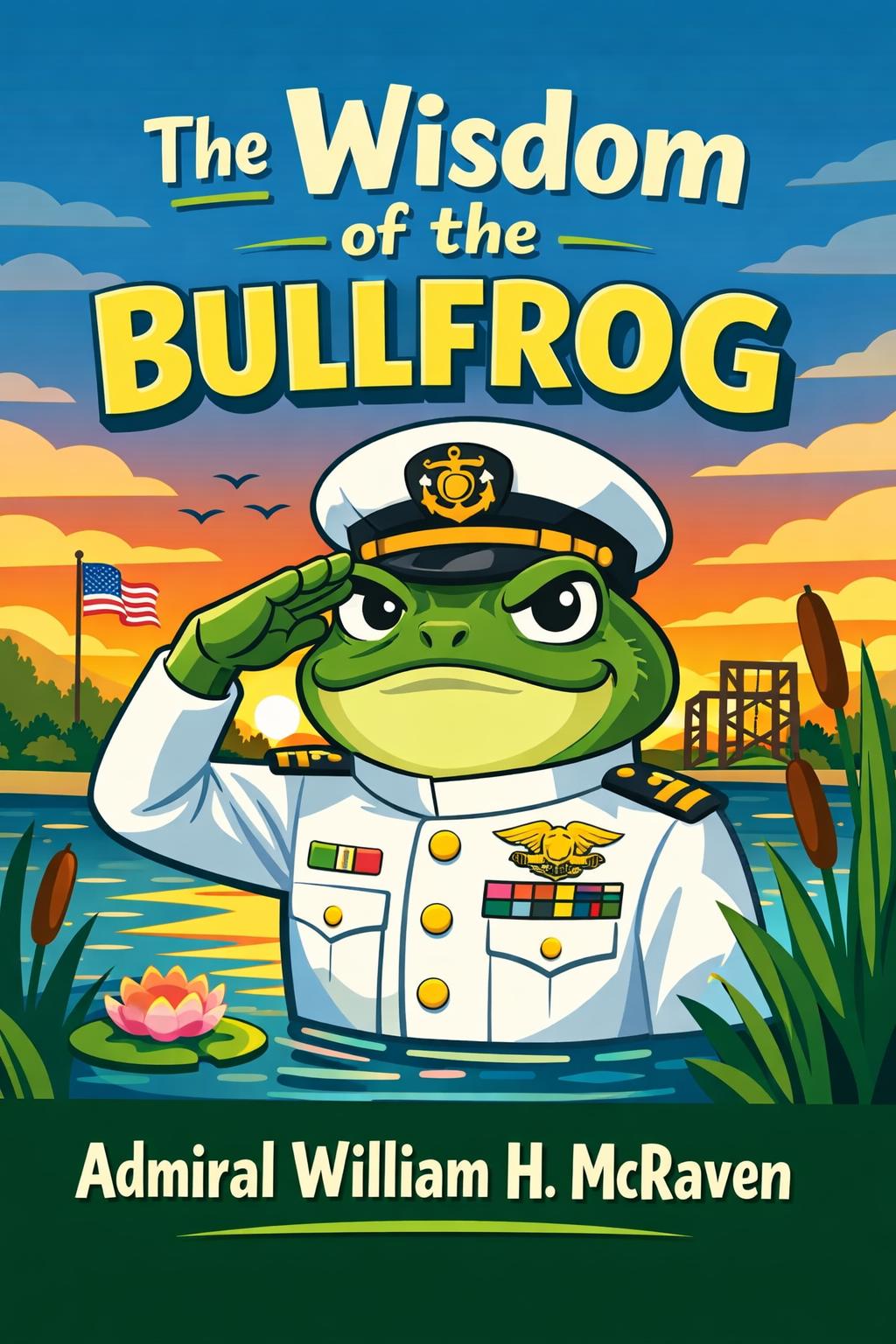
“The Wisdom of the Bullfrog” draws its title from the military tradition of awarding a small brass statue of a bullfrog to the officer with the longest sustained command in a special operations unit. This book is not a dry manual, but a collection of hard-won truths from a life spent in the most intense leadership crucibles imaginable. The author, a former SEAL commander, translates decades of experience leading high-stakes missions into universal principles applicable to any team, in any arena, from the boardroom to the community group. The core idea is that leadership is not about rank or title, but about character, accountability, and the profound responsibility of guiding others.
The foundation of all effective leadership, as presented here, is unwavering character. This is described as the bedrock upon which everything else is built. In environments where lives are on the line, there is no room for ambiguity in ethics or integrity. The book argues that a leader’s character is constantly on display, judged not by grand speeches but by small, consistent actions: taking the blame for failures, giving credit to the team for successes, and always telling the truth, especially when it is difficult. This cultivates the most critical element a leader can possess—trust. Without trust, plans fall apart, communication breaks down, and teams fracture. The author provides stark examples from combat where a single breach of trust had catastrophic consequences, and contrasts them with moments where absolute trust in a team member turned certain failure into success.
From this foundation of character-based trust, the book delves into the art of decision-making under extreme pressure. Leaders are not paid for easy choices; they are defined by the impossible ones. The text introduces a clear, repeatable framework for cutting through chaos, assessing available information (which is always incomplete), and making a call. It emphasizes that speed and decisiveness often trump a perfect plan delayed. A key, often counterintuitive lesson is that a good leader must be comfortable being wrong. The goal is not infallibility, but the ability to make the best decision possible with the information at hand, and then to adapt relentlessly as the situation changes. Paralysis by analysis is painted as a greater sin than a corrective action.
Building and leading a team is the practical application of these principles. The author dismantles the myth of the lone hero leader, arguing that no significant achievement is ever accomplished alone. The focus is on creating a “team of teams”—a cohesive unit where individuals submerge their egos for a common goal. This involves meticulous selection (finding people who are competent and, more importantly, have strong character), rigorous training to the point of instinct, and fostering an environment of extreme ownership. Every member must feel personally responsible for the mission’s outcome and for their teammates. The book details methods for debriefing missions—not to assign blame, but to relentlessly pursue improvement, asking “what went well?” and “what can we do better?” with equal rigor.
Finally, the narrative addresses the leader’s duty to their people. This is the heart of the “Bullfrog” ethos. Leadership is a service, not a privilege. It means knowing your team members as individuals, understanding their strengths, fears, and motivations. It involves protecting them from unnecessary burdens, fighting for the resources they need, and having the courage to remove toxic elements from the team, even if they are highly skilled. The most poignant passages discuss the ultimate responsibility: sending people into harm’s way. The emotional and moral weight of this act is explored with raw honesty, underscoring that true leadership carries a heavy personal cost. It concludes that the legacy of a great leader is not a list of accomplishments, but the quality and resilience of the team they built and the positive impact they had on the individuals they led. The wisdom offered is, ultimately, about human connection and moral courage, framed within the most demanding contexts life can offer.