Description
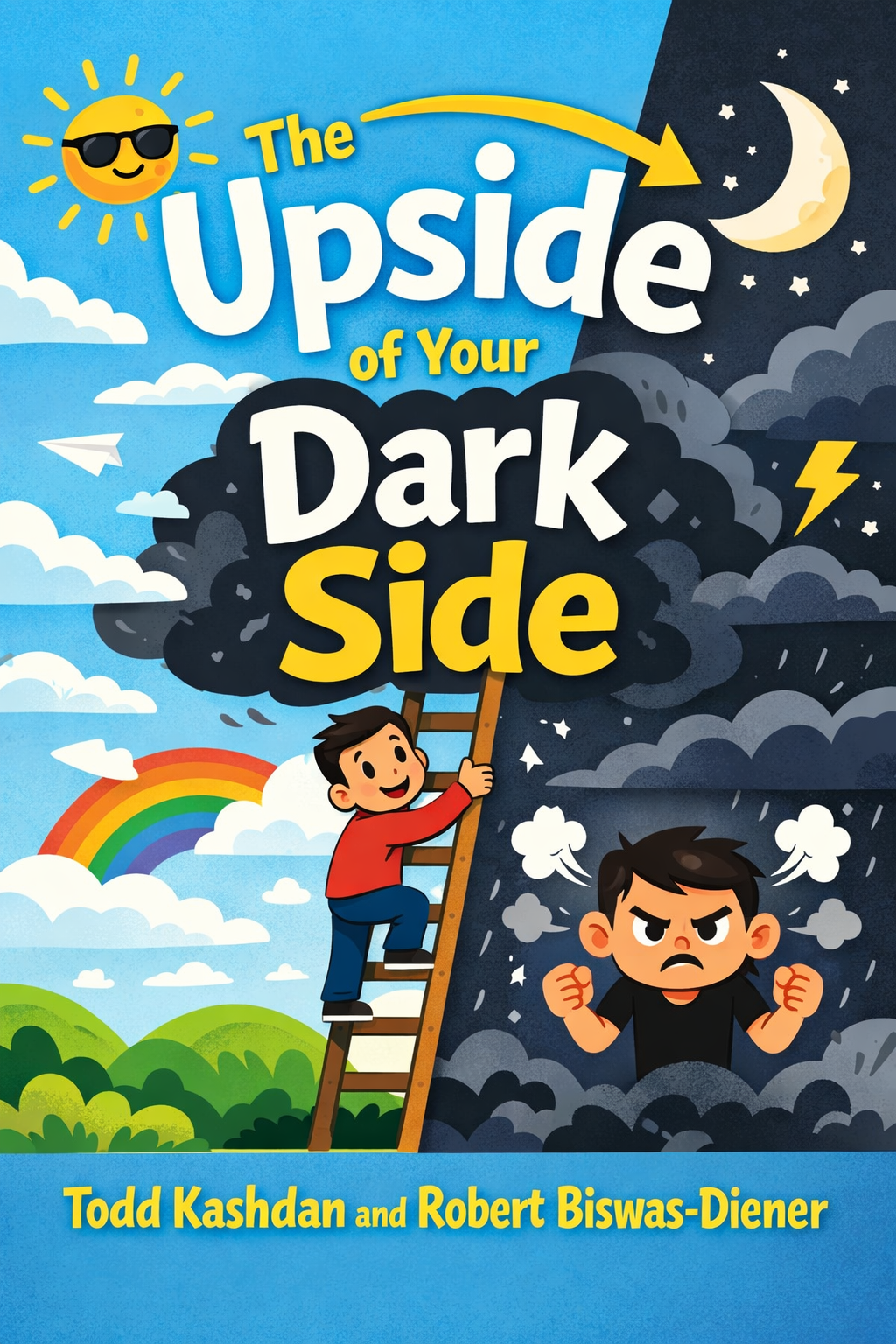
For generations, the pursuit of happiness has been held as the ultimate goal, with our difficult emotions seen as obstacles to be overcome. This book presents a compelling counter-argument: that our so-called negative emotions and traits are not merely psychological baggage, but vital components of a full and effective life. By trying to suppress our darker sides in a single-minded quest for positivity, we rob ourselves of crucial strengths. True well-being isn’t about constant sunshine; it’s about having the right emotional tool for the right situation, and that toolkit must include the full spectrum of human experience.
The common belief that happiness is the key to performance is often misleading. While a pleasant demeanor can make someone likable, it can also cloud judgment. Research shows that people in upbeat states are less persuasive, as they gloss over important details in favor of the big picture. They also become more gullible, less able to detect deception in others, and more prone to false memories. This has real-world implications: a perpetually cheerful lawyer, for instance, might be less effective at constructing a nuanced case or spotting inconsistencies in testimony. Accuracy and critical thinking often require a more sober, even skeptical, state of mind.
Ironically, the relentless pursuit of happiness can be the very thing that undermines it. Treating happiness as a goal to be seized turns it into a fleeting commodity, like trying to grasp a bar of soap—the harder you clutch, the more it slips away. Studies reveal that people instructed to consciously try to increase their joy during a pleasant activity actually enjoy it far less than those who simply engage with it. Furthermore, prioritizing personal happiness above all else can become a self-centered endeavor that damages relationships. Avoiding a friend in distress to protect your own mood may seem logical, but it erodes the social bonds that are, paradoxically, a primary source of long-term contentment. This obsessive focus can lead to loneliness, creating the opposite of its intended effect.
Consider anxiety, an emotion we often medicate or meditate away. Yet, its evolutionary purpose is to protect us. Anxious individuals are not burdened; they are vigilant. Their stimulated brains make them more alert to ambiguous or overt dangers, heightening their senses and perception. Where a non-anxious person might dismiss a strange smell or a subtle sound, an anxious person is primed to investigate. This hyper-awareness can lead to quicker reactions in genuinely threatening situations, from spotting a potential fire to sensing social danger. It is the anxious passenger on a train who acts first, potentially saving lives.
Anger, too, holds unexpected power. Far from being a purely destructive force, it can be a potent catalyst for creativity. The energy and focus it provides can help break cognitive routines, leading to more original ideas. Experiments show that receiving angry feedback can boost creative output in certain individuals, pushing them to generate more and more unconventional solutions. In social dynamics, anger communicates seriousness and can establish authority. A controlled display of anger in a negotiation can signal resolve, often leading the other party to offer better terms. Leaders know that a selective, justified outburst can recalibrate a complacent team, demonstrating passion and a refusal to accept mediocrity.
When it comes to morality, guilt is a profoundly constructive emotion. The painful sting of guilt exists to motivate reparative behavior. It drives us to apologize, make amends, and change our future actions to avoid that internal discomfort. People prone to healthy guilt are less likely to engage in harmful behaviors like theft or assault, as they are guided by an internal moral compass that operates even when no one is watching. Shame, its close cousin, operates differently. While guilt says “I did a bad thing,” shame says “I am a bad person.” This leads not to repair, but to concealment and withdrawal, making it a far less useful emotional signal.
Even traits we consider socially toxic, like narcissism and psychopathy, exist on a spectrum and can confer advantages in specific contexts. Subclinical narcissism—a measured dose of grandiosity and self-confidence—can fuel ambition, drive, and the resilience needed to pursue big ideas and withstand criticism. Similarly, certain psychopathic traits, such as reduced fear, stress immunity, and a ruthless focus on goals, can be advantageous in high-stakes leadership roles where emotionally difficult decisions must be made quickly and without paralyzing doubt. The key is not to embody these traits fully, but to understand and occasionally access their functional elements.
Finally, the modern mantra of mindfulness has its own limitations. The goal of being perpetually present and aware is not only impossible but undesirable. Our minds need periods of mindless processing—the unfocused downtime where our subconscious connects disparate ideas. This is when creativity often strikes, and when we make intuitive decisions that deliberate analysis might miss. Trying to be consciously mindful of every action can hinder the automatic, fluid performance seen in expert athletes, musicians, or anyone performing a well-practiced skill. True mental agility involves knowing when to engage deliberate focus and when to let the automated, “mindless” self take the lead.
In conclusion, a rich and successful life is not achieved by pruning away the dark, thorny parts of our psyche. It is built by integrating them. Emotional wholeness means accepting anxiety as a guardian, anger as a motivator, guilt as a moral guide, and even accessing the strategic coldness or bold self-assurance of darker traits when the situation demands it. The goal is not to be a little bad, but to be wholly human—embracing the full portfolio of emotions and traits that have, for good reason, been woven into our nature. The path to a truly good life runs directly through the territory we’ve been taught to avoid.