Description
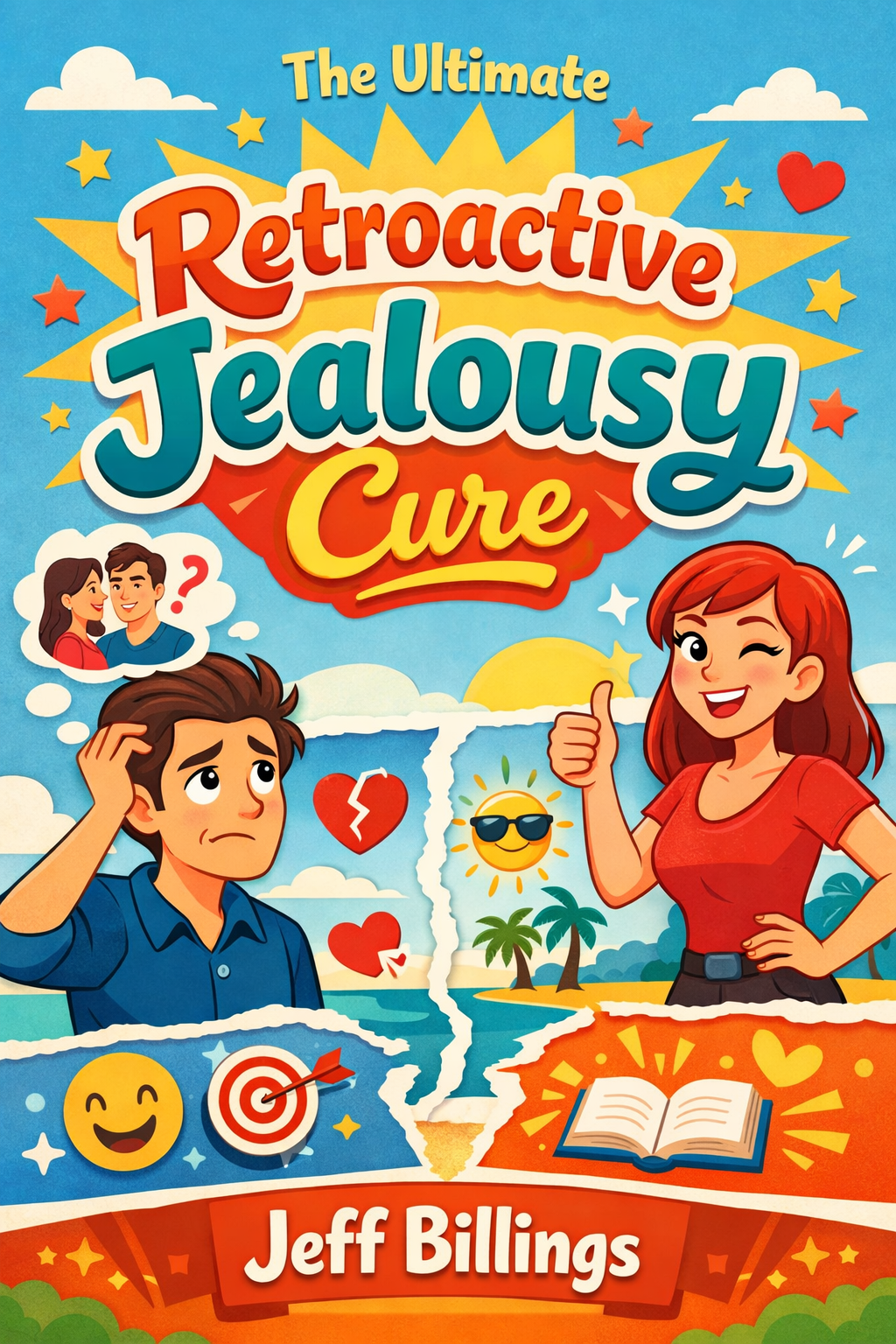
The journey begins with a personal story of crisis. The author, Jeff Billings, recounts a moment of profound distress upon discovering late-night messages from his girlfriend’s former lover. This incident triggered a spiral of obsessive thoughts and painful emotions about her sexual history, a condition known as retroactive jealousy. Determined to save his relationship, Billings embarked on a quest for a solution. Finding no comprehensive guide, he developed his own method through trial and error, a process that ultimately allowed him to heal and later marry the very woman whose past had once tormented him. His experience forms the foundation of this guide, which asserts that while the feelings are powerfully real, they are not an invincible force. With commitment, it is possible to dismantle retroactive jealousy and reclaim peace and security in your partnership.
To effectively combat this experience, one must first understand its origins. Retroactive jealousy is the inability to let go of a partner’s previous romantic or sexual experiences. It is crucial to recognize that these feelings are not a personal failing but are rooted in deep-seated evolutionary instincts. Humans are wired to be vigilant against infidelity, as historically it posed threats to survival and lineage. This hardwiring explains the visceral reaction, but understanding it is the first step toward disarming its power. The emotional experience itself is often a confusing blend, but it primarily stems from two core sources: fear and judgment. The fear is rarely about the past itself; it is a projection, a fear that what happened before could happen again, threatening the future of the relationship. Judgment, meanwhile, can be directed at the partner’s past partners, their past behaviors, or even at oneself for choosing to be with someone with such a history. This judgment erodes the foundation of trust and respect necessary for a healthy connection. Simply identifying and naming these underlying emotions—fear of future betrayal and present judgment—provides significant clarity and begins to reduce their overwhelming control.
With this understanding, the work of changing your thinking can begin. The empowering truth is that while the impulse may be evolutionary, the ongoing narrative is created and sustained in your own mind. Therefore, the path to freedom lies in consciously rewriting that narrative. This starts by examining the stories you tell yourself in three key areas. First, scrutinize your narrative about yourself. Retroactive jealousy often points to a deficit of self-confidence. Combat this by actively focusing on your own strengths, virtues, and the qualities your partner cherishes in you. Second, evaluate your narrative about your partner. Separate the anxious stories your mind creates from the actual evidence provided by their character and behavior in the present. Ask yourself if your genuine intuition, distinct from fearful thoughts, signals any real cause for distrust. Finally, challenge your narratives about the people from your partner’s past. These individuals are often built into monstrous figures in your imagination, yet in reality, they are likely strangers to you. Recognizing that your animosity is based on fiction, not fact, helps drain the emotional charge from these mental phantoms. This process of cognitive reframing is about reclaiming authorship of your inner world, choosing stories that support security and love over those that breed fear and suspicion.
Knowledge and new thinking must ultimately translate into concrete action. The final phase involves a deliberate campaign to change your behaviors, thereby reinforcing your new mindset. This requires both cessation and initiation. You must resolve to stop the investigative rituals that feed the jealousy: trawling the internet for clues, snooping through your partner’s private communications, and quizzing them for details about their past. These actions are not only a poor use of your time and energy but actively damage trust and ironically keep the very past you fear alive in the present. Concurrently, you must adopt positive practices. Cultivate mindfulness to create space between a jealous thought and your reaction, observing it without becoming consumed by it. Employ a powerful perspective-shifting exercise: reflect on your own past relationships and note how little emotional resonance or relevance they hold today. This can provide a rational counterpoint to the irrational fear that your partner is constantly preoccupied with their history. Most importantly, actively choose gratitude. Make it a daily habit to focus on the blessings of your current relationship—the love, companionship, and unique connection you share. This practice actively builds the appreciation that jealousy seeks to destroy.
By moving through these stages—from comprehension to cognitive change to committed action—you systematically dismantle the power of retroactive jealousy. This is not about suppressing feelings but about transcending them through understanding and purposeful effort. The process frees up immense mental and emotional energy previously wasted on haunting ghosts of the past. That energy can then be redirected toward what truly matters: building a present and future with your partner that is based on trust, presence, and genuine appreciation. The past becomes exactly what it is—a series of events that led your partner to you—rather than a threat to what you have built together. The ultimate cure lies in the decision to live fully in your own story, letting the previous chapters of your partner’s life rest, undisturbed, where they belong.