Description
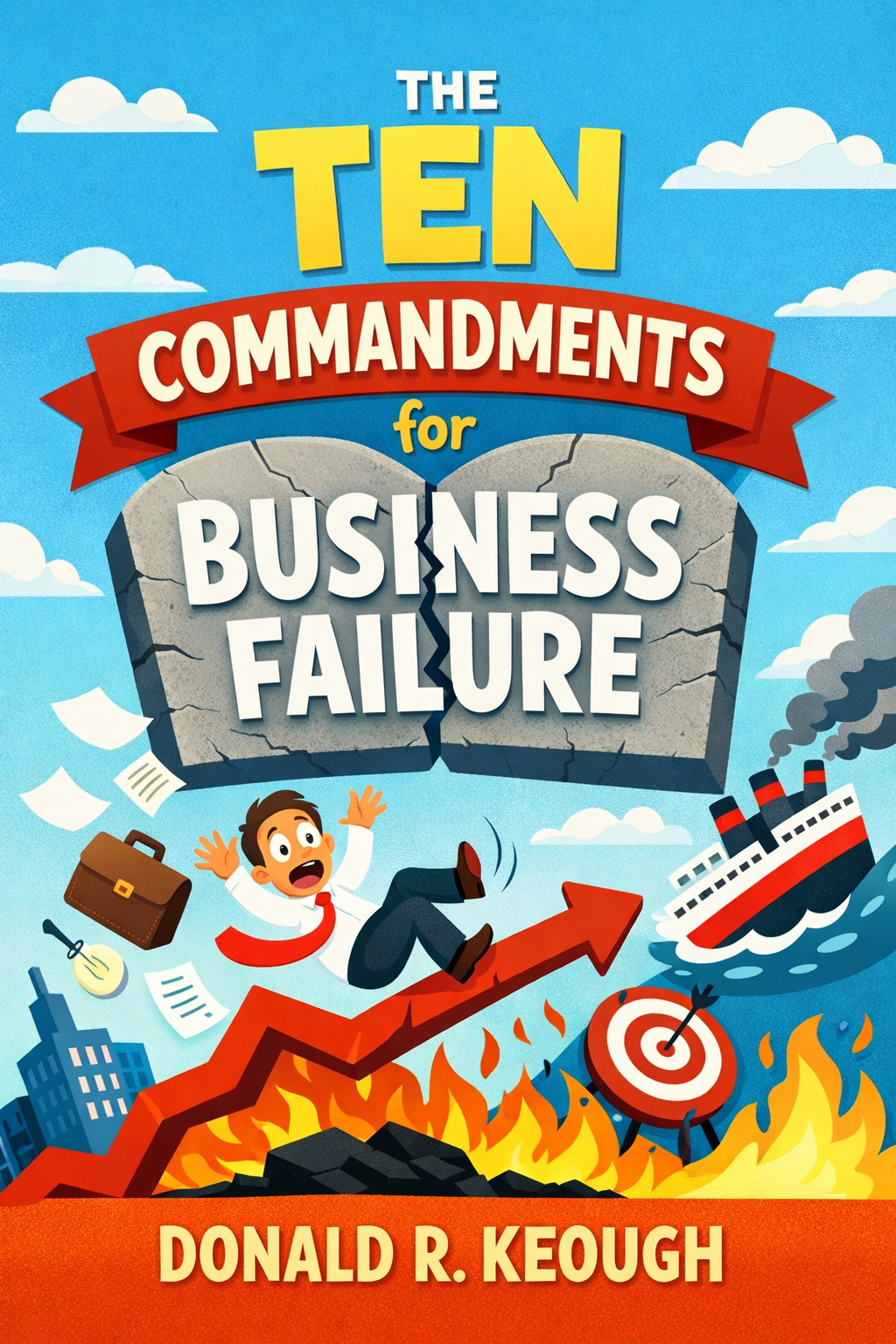
In a refreshingly counterintuitive take on corporate strategy, a seasoned leader with decades of experience at the highest levels turns conventional wisdom on its head. Instead of another list of success mantras, this book presents a candid and often humorous catalog of guaranteed missteps. The core premise is deceptively simple: to understand how to succeed, one must first recognize and studiously avoid the attitudes and actions that most reliably lead to failure. The author draws from a rich tapestry of real-world examples, from colossal corporate blunders to subtle managerial failures, providing a clear-eyed view of the pitfalls that await even the most intelligent and well-intentioned leaders.
The journey toward failure often begins at the top, with leadership that chooses isolation over engagement. The book paints a vivid picture of the executive who retreats into a physical and psychological fortress, shielded from the messy realities of their own organization by layers of assistants, polished reports, and yes-men. This self-imposed exile creates a toxic bubble where bad news cannot penetrate and genuine feedback is filtered into oblivion. The leader becomes a distant figure, unaware of the daily struggles of employees, the shifting sentiments of customers, and the ground-level innovations that could spark growth. This disconnect doesn’t just breed resentment; it ensures that decisions are made in a vacuum, based on a sanitized version of reality that inevitably leads to strategic blunders. True leadership, the argument follows, requires a deliberate and ongoing immersion in the lifeblood of the company.
Closely linked to isolation is the fatal flaw of assumed infallibility. The book argues that a stubborn refusal to admit mistakes, coupled with a tendency to blame external forces for every setback, is a hallmark of a declining enterprise. This mindset manifests in a corporate culture where learning is stifled and accountability is absent. The narrative provides stark case studies, such as a global beverage giant’s initial dismissal of a consumer crisis, which turned a manageable problem into a full-blown catastrophe through sheer denial. Similarly, the story of a once-dominant brewery illustrates how the arrogant assumption that customers wouldn’t notice a decline in product quality can utterly destroy a beloved brand. Success, the author contends, demands humility—the willingness to say “we were wrong” and the wisdom to listen, especially to critics.
Further down the path to ruin lies the chaos of inconsistent communication. The book identifies mixed messages as a silent killer of momentum and trust. When leadership signals one priority but rewards another, or when public promises clash with internal policies, confusion reigns. Employees are left guessing at the true direction, while customers feel misled. The author illustrates this with an example from the soda fountain business, where a misaligned incentive system and a fear-based pricing policy sent conflicting signals to the sales force and the market, crippling profitability. Clarity and consistency are presented not as mere administrative virtues but as foundational elements of a coherent strategy. A company that speaks with one clear voice, both internally and externally, builds the trust necessary to navigate challenges.
Perhaps the most profound commandment for failure is to let fear take the driver’s seat. The book distinguishes between prudent risk management and the paralysis of chronic anxiety about the future. An organization governed by fear stops innovating, avoids necessary conflicts, and clings to outdated models long after their expiry date. It plays not to win, but merely not to lose—a defensive posture that inevitably leads to defeat. The author contrasts this with the bold, optimistic spirit that has historically driven periods of great growth, even in times of economic hardship. The message is clear: while recklessness is foolish, a culture that punishes all risk guarantees obsolescence. The future belongs to those who, with eyes open to the dangers, choose to move forward with conviction nonetheless.
Ultimately, this guide serves as a mirror for leaders and organizations. Its power lies in its inversion of the typical success narrative, making the lessons more memorable and the warnings more stark. By detailing the attitudes that corrode trust, stifle communication, and kill innovation, it implicitly charts a course for their opposites: engagement, humility, clarity, and courageous passion. The book is a compelling reminder that in business, as in life, the mistakes we strive to avoid often teach us more than the triumphs we hope to emulate. It is a masterclass in learning from the stumbles of others, providing a witty, insightful, and enduring framework for building an enterprise that endures.