Description
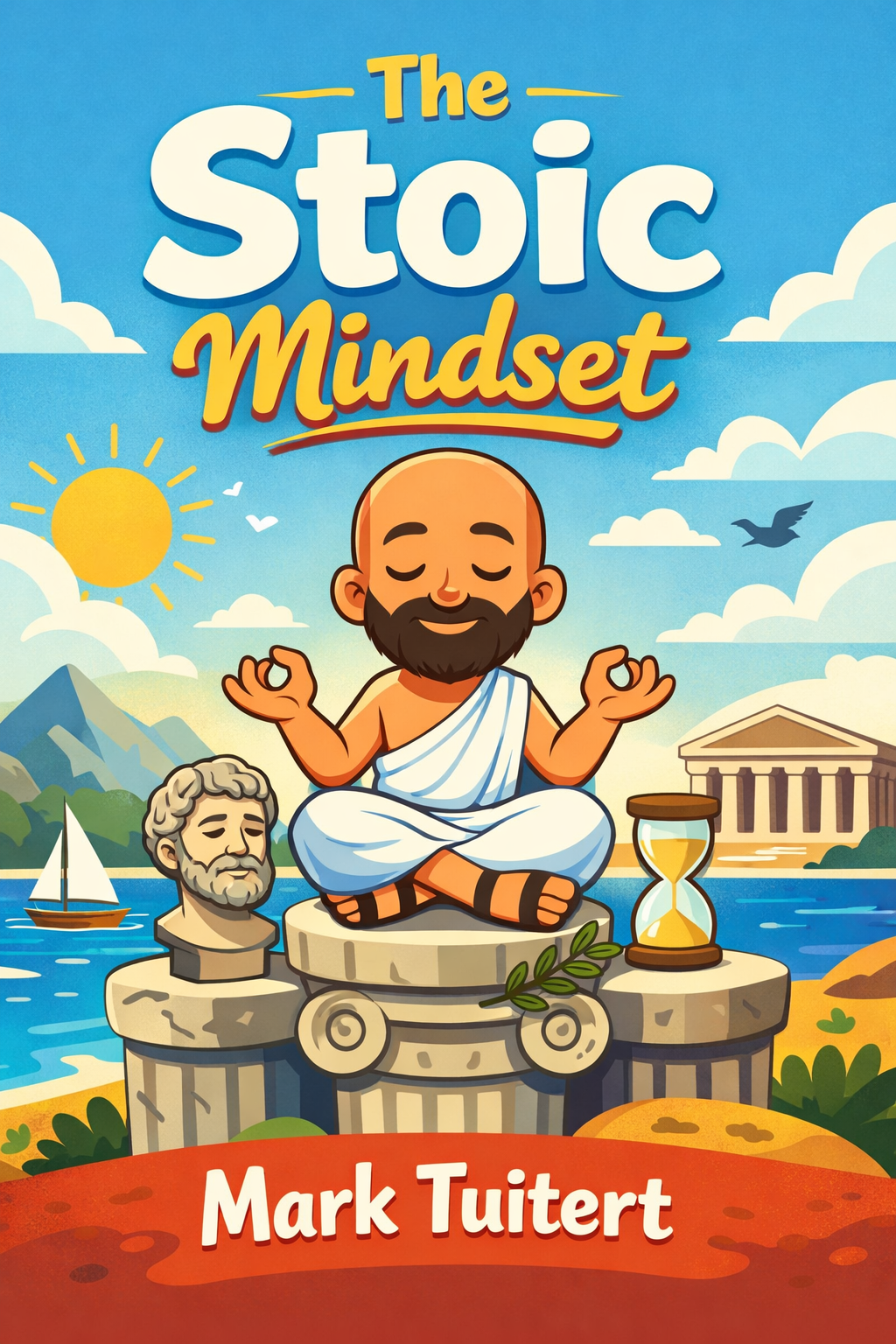
In “The Stoic Mindset,” Olympic gold medalist Mark Tuitert presents a powerful and personal case for the enduring relevance of Stoic philosophy. Framed by his own high-pressure experience at the Vancouver Olympics, Tuitert reveals how the teachings of ancient thinkers like Marcus Aurelius, Seneca, and Epictetus became his secret weapon for mental clarity and performance. This book is not a dry academic treatise but a practical manual, translating timeless wisdom into tools for navigating contemporary chaos, from career setbacks to personal turmoil. Tuitert argues that Stoicism is fundamentally about cultivating an unshakeable inner core, allowing us to thrive amid circumstances we cannot control.
The journey begins by reframing our relationship with adversity. Stoicism originated not in an ivory tower but in the wreckage of a merchant’s misfortune, teaching that setbacks are not mere misfortunes but essential fuel for growth. Like a fire that uses obstacles to burn brighter, we can use challenges to forge resilience. The core of this mindset is a simple, radical division: focus your energy solely on what is within your control—your judgments, reactions, and actions—while accepting with grace everything that is not. This is the foundation of inner tranquility, a steady composure that remains effective regardless of external storms.
This acceptance deepens into a proactive embrace of reality, a concept known as *amor fati*, or the love of one’s fate. Life, the Stoics suggest, is like a dog tied to a moving cart; it can run willingly with the journey or be dragged painfully along. The destination remains the same, but the experience is transformed by our attitude. By wishing for “figs in winter”—struggling against immutable facts—we only create our own suffering. True empowerment comes from aligning our perspective with the inevitable and finding the opportunity within every situation, as exemplified by athletes who turn profound physical loss into new avenues for triumph. This philosophy dismantles toxic entitlement, replacing resentment with courageous engagement.
A pivotal Stoic insight is that happiness is not a goal to be captured but a side effect of living correctly. The ancient ideal of *eudaimonia* refers to a flourishing life rooted in inner virtue, not external trophies. History is littered with emperors and celebrities who achieved everything society prizes yet found themselves empty and dissatisfied. Lasting contentment arises from the quality of our character and our engagement with the process of life itself. It is found in the striving, the effort, and the dignity we maintain through difficulty. When we derive satisfaction from the journey—the focused practice, the ethical decision, the resilient response—we liberate ourselves from the rollercoaster of fleeting successes and failures.
Therefore, the most important project of your life, according to Stoicism, is the meticulous construction of your character. The ultimate aspiration is the sage, a person who lives in perfect harmony with nature through the four cardinal virtues: wisdom to navigate complexity, courage to face fear, temperance to exercise self-control, and justice to treat others fairly. While this ideal is aspirational, the relentless pursuit of these virtues gives meaning to all endeavors. Success without character is hollow and ultimately corrosive. True achievement is measured by the integrity of our actions, the fairness of our conduct, and the strength we demonstrate not just in grand moments but in daily choices. By making character our central endeavor, we build a life of genuine fulfillment, resilience, and quiet power, ready to meet whatever fate provides with a steady mind and an open heart.