Description
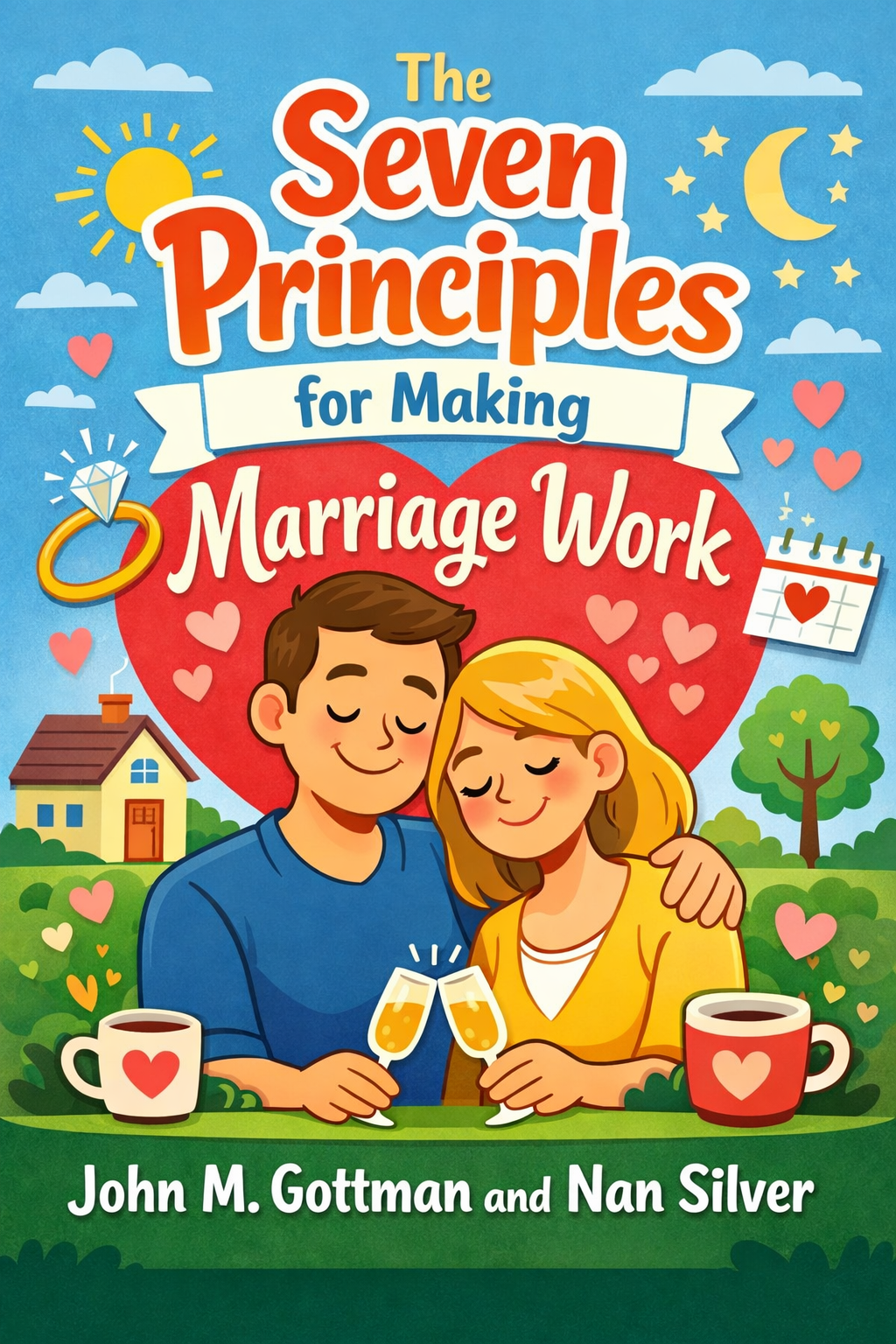
What truly makes a marriage last? Beyond grand gestures and fleeting romance, the foundation of a thriving partnership is built in the quiet, ordinary moments of daily life. Through decades of scientific study observing real couples, key patterns emerge that distinguish relationships that flourish from those that falter. This work distills those findings into practical principles, offering a map for nurturing a deep and enduring connection.
At the heart of a strong union is what can be called a “love map”—the intricate mental blueprint you hold of your partner’s inner world. This isn’t just knowing their favorite color or food; it’s an ongoing, active understanding of their hopes, fears, dreams, and stresses. A detailed love map means you are genuinely curious about who your partner is and who they are becoming. When life brings changes, such as a new career or parenthood, these maps must be updated. Couples who grow together make a conscious effort to learn about each other’s evolving inner landscapes, ensuring they don’t become affectionate strangers sharing a home.
Closely tied to this knowledge is a system of fondness and admiration. This is the reservoir of positive feelings and respect that buffers a relationship against hardship. You can gauge its health by how you view your shared history. Couples who can recall their early days with warmth and detail, who still speak of each other’s qualities with genuine appreciation, possess a powerful protective force. This reservoir allows partners to see each other in a positive light during conflicts, remembering the person they cherish behind the temporary frustration. Cultivating this means consciously focusing on your partner’s strengths and expressing gratitude for who they are, not just what they do.
The rhythm of a happy marriage is found in the mundane. Throughout the day, partners make subtle “bids” for connection—a comment about a passing thought, a shared glance, a question about the day. These are the building blocks of intimacy. Turning *toward* these bids, by offering a moment of attention or a kind word, is like making a deposit into the emotional bank account of the relationship. Conversely, turning away, by ignoring or responding minimally, slowly depletes that account. Romance is sustained not by exotic vacations but by this daily choice to be present and engaged in seemingly trivial chitchat, signaling, “You matter to me, right here and now.”
A critical principle for harmony, particularly noted in research, is the importance of shared influence. A marriage is a partnership of equals, and this must be reflected in decision-making. When one partner, consistently dismisses the other’s opinions and feelings, it creates a corrosive imbalance. This is especially pivotal in how men accept influence from their wives. Successful couples create a space where both perspectives are valued. This doesn’t mean always agreeing, but it does mean genuinely considering your partner’s viewpoint and finding compromises. A partnership where both voices hold weight is far more resilient and satisfying for both people.
Conflict itself is not the enemy of a good marriage; how it is handled is. Marital disputes generally fall into two categories: solvable problems and perpetual problems. Solvable problems are often situational—like disagreeing about chores or a specific scheduling conflict. These can be resolved with calm, respectful communication and practical problem-solving. The greater challenge lies with perpetual problems, which are fundamental differences in personality, needs, or life philosophies that recur over years. These might revolve around topics like desired levels of cleanliness, approaches to parenting, or differing needs for intimacy and independence.
The key is to recognize which type of conflict you are facing. Trying to “solve” a perpetual problem as if it were a solvable one leads only to frustration and gridlock. Instead, couples must learn to dialogue about these issues with openness and humor, aiming for understanding and compromise rather than victory. They must learn to live with the tension of the unsolvable, acknowledging that some differences are simply part of their unique fabric as a couple.
When dialogue around a perpetual problem breaks down completely, partners can feel gridlocked—stuck in a cycle of painful, repetitive arguments with no movement. Breaking free from gridlock requires exploring the deeper dreams or values that underlie each partner’s position. Often, a rigid stance on a surface issue, like how to spend money, is connected to a core need for security, freedom, or recognition. By gently uncovering and honoring these deeper yearnings, couples can often find new ways to accommodate each other, moving from gridlock to mere ongoing discussion. The goal shifts from changing your partner to understanding them and finding a way to honor their dreams within the marriage.
Ultimately, a lasting marriage is about creating shared meaning. It’s a process of weaving two individual lives into a common story with its own rituals, values, and goals. This could be as simple as how you celebrate holidays or as profound as your shared view on the purpose of your family life. Couples build this narrative over time through traditions, the stories they tell about themselves, and the roles they play for one another. By consciously cultivating this shared sense of purpose, a marriage becomes more than a contract; it becomes a deeply meaningful journey, a sanctuary of mutual understanding and love that can withstand the tests of time.