Description
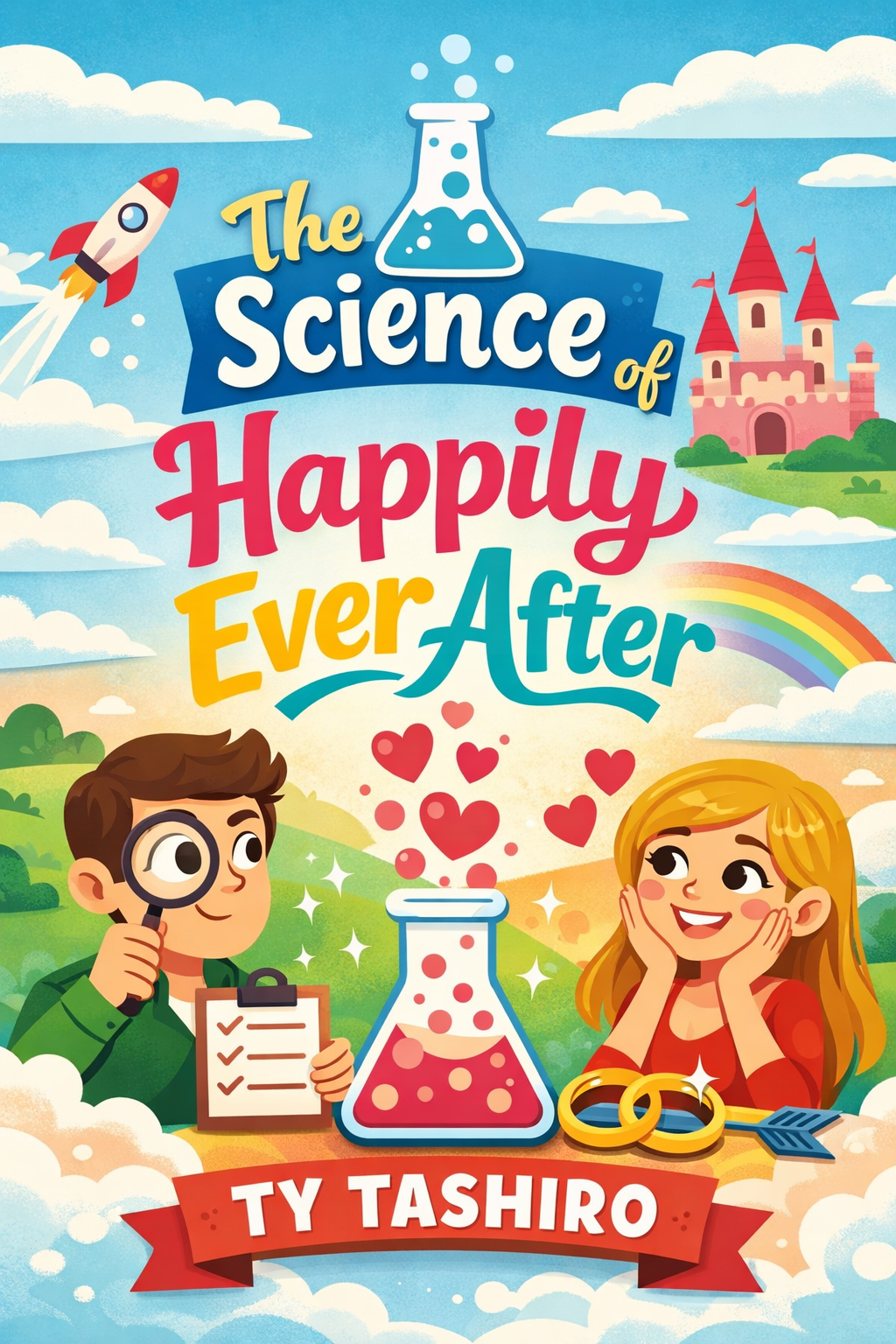
The dream of a “happily ever after” often feels like a matter of destiny, a magical connection waiting to be discovered. Yet, this romantic ideal sets many up for disappointment. The truth is that our brains are often working against us, wired by ancient survival instincts that prioritize fleeting attraction over lasting compatibility. This book argues that a successful lifelong partnership is not found by chance but built through intentional choice. By understanding the science behind attraction and commitment, you can learn to make decisions that dramatically increase your odds of finding and sustaining a deeply fulfilling relationship.
Central to this approach is a powerful, if seemingly unromantic, concept: you only get three wishes for a partner. This isn’t about settling, but about strategic focus. The logic is rooted in probability. Every trait you prioritize—whether it’s extreme wealth, a specific height, an advanced degree, or a particular lifestyle—narrows the pool of potential partners. Prioritizing a long list of ideal characteristics makes finding a compatible match statistically unlikely. The key is to identify the three non-negotiable traits that truly matter for long-term happiness, moving beyond superficial desires to the core qualities that sustain a partnership over decades.
To do this effectively, we must first understand what love really is in a lasting context. It is defined here as a combination of “liking” and “lusting.” Lust, driven by passion and physical attraction, is intense but naturally fades over time. Liking, however, is built on the enduring pillars of loyalty, kindness, and fairness. While initial chemistry is exciting, the foundation for a forever relationship rests on this deeper form of liking. Therefore, your three wishes should be heavily weighted toward these stable, character-based traits rather than transient feelings of passion or instinctual draws to beauty and status, which are relics of our evolutionary past focused on survival and reproduction.
Historically, mate selection was a practical affair centered on health and the ability to provide, ensuring the survival of offspring. The rise of the Romantic era in the 1800s shifted the focus to passion and soul-stirring connection as primary motivators. However, our psychology hasn’t fully caught up. We are still instinctively drawn to signs of vitality and resources, even though modern life has largely solved the basic survival challenges these traits once addressed. This disconnect explains why we often pursue passionate, dramatic relationships that feel destined but are poorly suited for the long haul. A lasting partnership requires consciously overriding these outdated impulses in favor of practical, future-focused compatibility.
So, how do you apply this? The process is systematic. First, you must notice important traits in a potential partner from the very beginning. Second, you need to organize these observations objectively, perhaps even writing them down. Third, you must predict the future of the relationship based on those observed traits. This is difficult because biology clouds our judgment; when infatuated, we instinctively ignore red flags and magnify positives. Interestingly, friends and family are often better at assessing a partner’s traits objectively than we are. To counter this bias, focus your three wishes on permanent characteristics, not temporary states. The book suggests concentrating on three key categories: personality, attachment style, and behavior within the current relationship.
Within personality, prioritize stability. Specifically, be cautious of high neuroticism—a tendency toward anxiety, moodiness, and overreaction. A highly neurotic partner may be able to mask these tendencies early on, so observe their behavior under stress or when things don’t go their way. An attachment style that is secure, fostering independence and closeness without overwhelming neediness or fear, is another critical trait for long-term harmony. Finally, and most importantly, observe how your partner behaves *in their relationship with you*. Do they demonstrate kindness, fairness, and loyalty in their everyday actions? Do they show a willingness to prioritize the relationship and your happiness, even when it requires personal sacrifice? This observable behavior is the most reliable crystal ball you have.
The journey to a happy ending is therefore a shift from passive hope to active creation. It involves trading the fairy-tale notion of fate for the empowering practice of intentional choice. By carefully selecting your three core wishes based on enduring traits of character and compatibility, and by having the discipline to observe and evaluate objectively, you move from being a hopeful romantic to a wise architect of your own future. Your “happily ever after” becomes not a distant fantasy, but a probable outcome built on a foundation of self-knowledge, clear priorities, and deliberate action.