Description
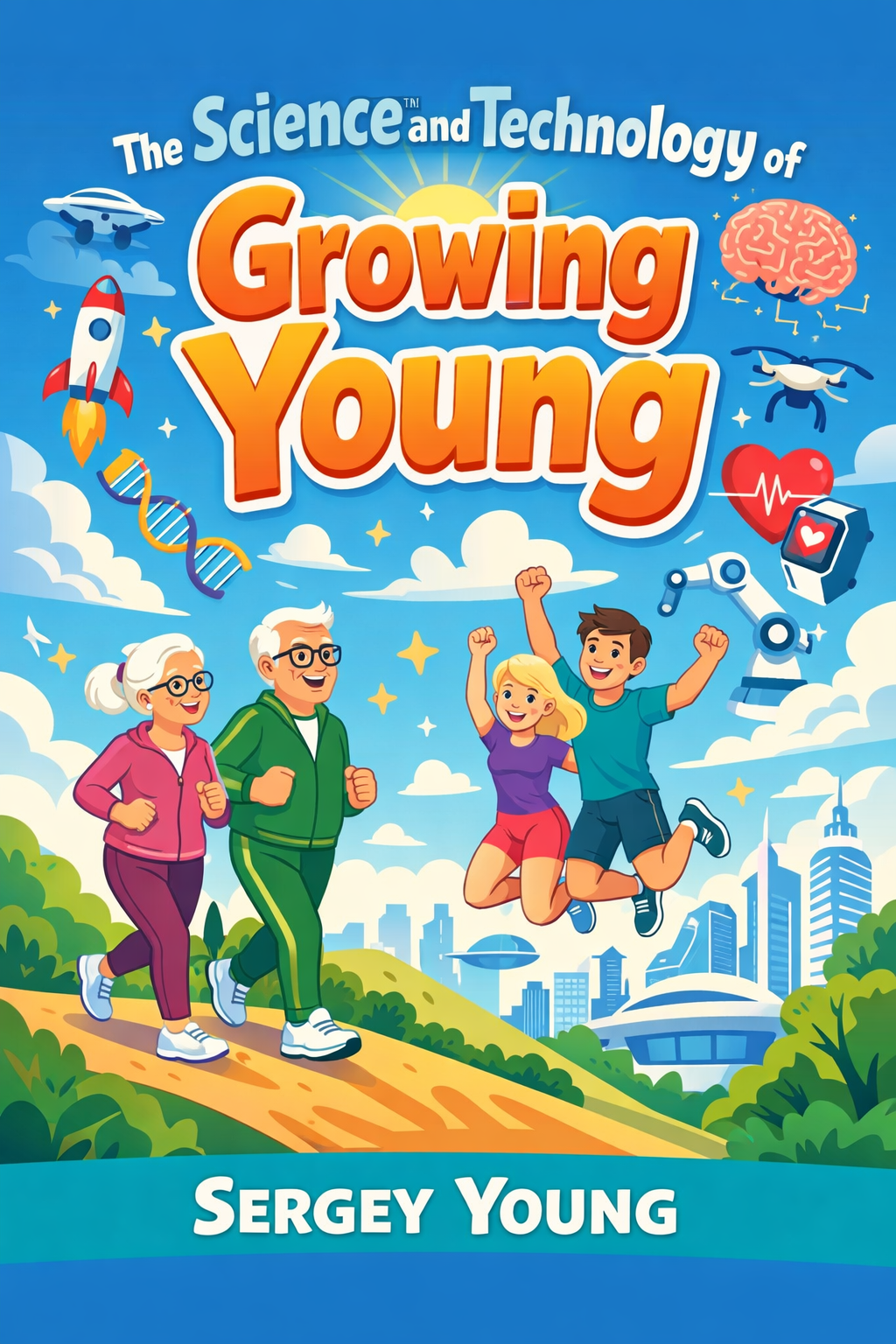
The book presents a compelling and accessible journey into the frontier of longevity science, moving beyond mere wishful thinking to examine the tangible mechanisms of aging and the interventions that might slow or even reverse them. It begins by dismantling the long-held belief that aging is an immutable, linear process of decline. Instead, the narrative frames aging as a malleable phenomenon—a series of biological processes that can be understood, measured, and, crucially, influenced. This foundational shift in perspective transforms the quest for a longer healthspan from a fantasy into a serious scientific discipline.
Central to the discussion is the concept of the “hallmarks of aging,” a set of interconnected cellular and molecular faults that accumulate over time. The text meticulously explores these hallmarks, such as genomic instability, telomere attrition, epigenetic alterations, and loss of proteostasis. Rather than presenting a dry list, the author illustrates how these failures manifest in the wear and tear we experience, connecting complex biology to the realities of weakening muscles, fading memory, and rising disease risk. This framework provides readers with a clear map of what, precisely, scientists are targeting when they talk about intervening in the aging process.
The narrative then delves into the most promising avenues of current research. It covers the tantalizing potential of senolytics—drugs designed to seek out and destroy senescent “zombie” cells that accumulate with age and poison their neighbors. The book explains the science behind NAD+ boosters and the sirtuin pathway, exploring how metabolic tweaks might rejuvenate cellular engines. It also investigates the role of the microbiome, the gut ecosystem whose health is intimately linked to systemic inflammation and longevity. Each topic is presented not as a silver bullet, but as a piece of a complex puzzle, emphasizing that a multi-pronged approach will likely be necessary.
A significant portion of the work is devoted to the practical tools already available or on the near horizon. It provides a critical, evidence-based analysis of dietary strategies like intermittent fasting and caloric restriction, separating hype from documented physiological benefits. The book explores the potent effects of exercise, not just as a general wellness recommendation, but as a powerful modulator of specific aging pathways at the cellular level. It also demystifies the landscape of supplements and early-stage pharmaceuticals, offering readers a guide to discern credible research from market-driven speculation.
Beyond biology and pills, the book thoughtfully examines the profound societal, ethical, and personal implications of radically extended lifespans. It poses challenging questions: What would a society with multiple generations of healthy centenarians look like? How would careers, relationships, and family structures evolve? The author confronts the ethical dilemmas head-on, discussing issues of equity, access, and the potential for a dangerous longevity divide between the rich and the poor. This philosophical layer ensures the book is not just a catalog of science, but a meditation on what it means to live a good, long life.
Ultimately, the tone is one of grounded optimism. It acknowledges the immense challenges and the long road ahead for many therapies, but it builds a convincing case that we are at an inflection point in human history. The aging process, once seen as an inevitable descent, is being reconceived as the next great medical frontier. The book concludes by empowering the reader with a nuanced understanding that while the fountain of youth remains a myth, the prospect of significantly extending our years of healthy, vibrant life is moving from the realm of science fiction into the rigorous world of scientific possibility. It leaves one with a sense of agency, emphasizing that the choices we make today, informed by this emerging science, can actively shape the trajectory of our own healthspans.