Description
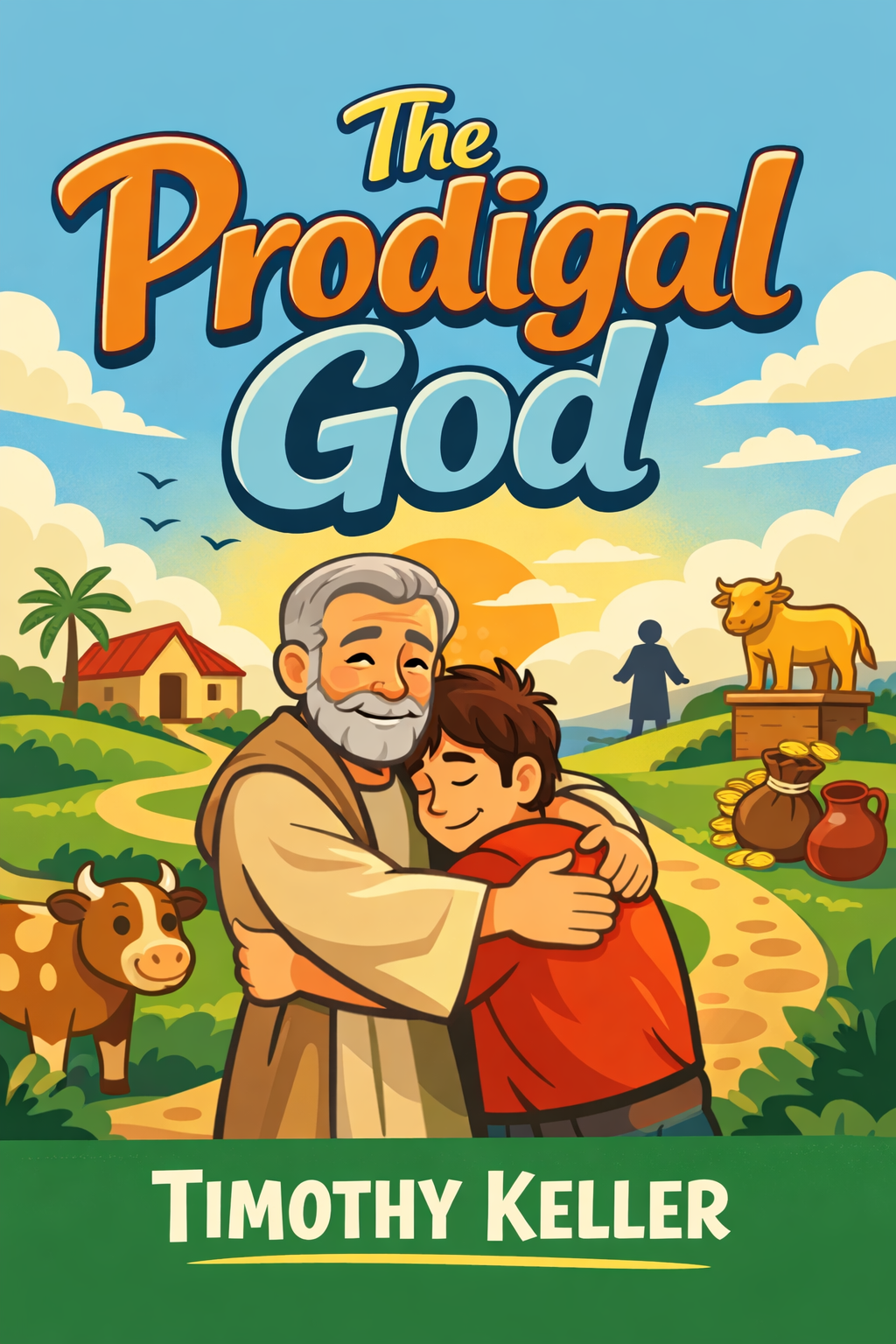
This exploration offers a transformative perspective on a story many think they know: the parable of the prodigal son. It argues that the tale’s true focus isn’t solely on the rebellious younger son, but equally on his dutiful older brother, revealing a dual critique of two fundamental ways humans distance themselves from a loving God. The younger son’s sin is obvious—a life of reckless self-indulgence and rebellion. He demands his inheritance, leaves home, and squanders everything in pursuit of pleasure, only to find himself destitute and alone. His journey represents the path of self-discovery through personal freedom, which ultimately leads to emptiness. In his moment of profound need, however, he finds the clarity to repent and return home, hoping only for mercy.
The older brother’s sin is more subtle and, in some ways, more spiritually dangerous. He stays home, obeys every rule, and works diligently. Yet, when his wayward brother returns to a joyful celebration, his heart is exposed. He is furious, self-righteous, and resentful. His obedience was not born of love for his father, but from a transactional desire for reward and a sense of moral superiority. He sees his brother not as a lost soul found, but as a threat to his own standing and inheritance. His life, though outwardly correct, is one of joyless duty, entitlement, and hidden pride. He is just as lost as his brother, but he lacks the self-awareness to know it. He is the picture of religious observance devoid of grace.
The heart of the story, and of the message, is the father. He represents God, whose love is neither earned by good behavior nor forfeited by bad. He watches for the younger son’s return and runs to meet him, showering him with unmerited affection and restoring him fully. He also goes out to plead with the angry older son, appealing to him with tenderness. The father’s love is proactive, generous, and seeks to bring both children into the joy of the household. This love finds its ultimate expression in the figure of Jesus Christ, who is presented as the true older brother. Unlike the parable’s resentful sibling, Jesus willingly leaves the comforts of home, sacrifices his own inheritance, and pays the ultimate cost on the cross to bring all his lost brothers and sisters back to the Father. He makes the joyful homecoming possible.
Finally, the book emphasizes the significance of the feast. The father’s response to repentance is not a stern lecture but a lavish party. This echoes a major theme throughout the Bible, where God’s salvation and presence are consistently pictured in terms of celebration, abundance, and sensual joy—from wedding wine to great banquets. This counters the idea that God is only concerned with the ethereal or austere. He is a God who created a material world and delights in our joy within it. The feast symbolizes the fullness of life found in reconciliation, a life that both the irreligious younger brother and the religious older brother desperately need. The invitation is open to all: to leave behind both the recklessness of rebellion and the coldness of self-righteous duty, and to step into the unexpected, overwhelming joy of being welcomed home.