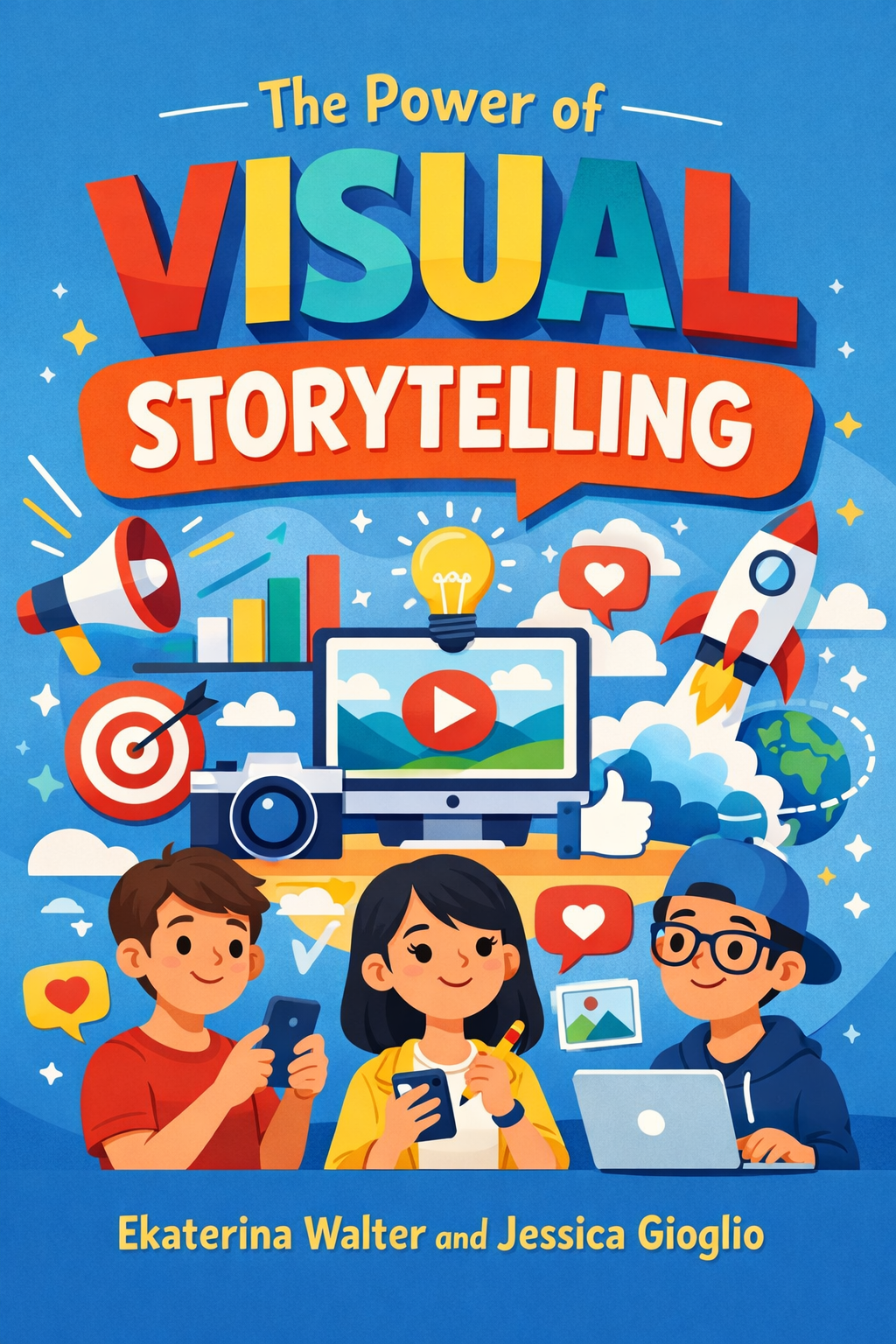
Description
In today’s digital landscape, cutting through the noise requires more than just text. It demands the ability to craft compelling narratives through visuals. This book argues that visual storytelling is not a mere accessory to marketing but its very core in the modern age. Our brains are wired for imagery, processing pictures tens of thousands of times faster than text and forming deeper emotional connections with what we see. A powerful photograph or a short video can convey the essence of a brand, its personality, and its values far more effectively than a paragraph of copy. This shift is powered by social media, where billions of images are shared daily, creating a universe where every posted picture contributes to a larger story. The challenge and opportunity for brands is to consciously shape that story.
Creating a poignant visual is only the first step. The true magic happens when that story is shared, transforming passive viewers into active participants and advocates. The key to this is crafting content that feels both personal and valuable. This means adapting your message to fit the unique culture and format of each social media platform, ensuring you are not just broadcasting, but engaging in a genuine dialogue. Social listening—paying close attention to online conversations about your industry—becomes crucial for understanding what your audience truly finds helpful or inspiring. When content resonates on an emotional level, whether through humor, beauty, or inspiration, people naturally want to share it, effectively turning your customer base into a voluntary, widespread sales force. Brands like Coca-Cola have mastered this by inviting customers to share their own experiences, weaving personal consumer moments directly into the brand’s overarching narrative.
To implement this effectively, a strategic understanding of the major social media platforms is essential. Each channel serves a different purpose and demographic. YouTube excels with high-production, entertaining video campaigns that can capture global attention. Instagram, with its heavily female user base, thrives on authentic, beautifully composed snapshots and short videos that showcase product use in real life. Tumblr’s creative, reblog-friendly environment is ideal for reaching younger, trend-focused audiences with artistic content. Even a platform like Slideshare can be powerful for B2B brands, using presentations and infographics to engage a more information-hungry crowd. The choice of platform is not about being everywhere at once, but about being in the right places where your specific audience lives and interacts.
This strategic selection hinges on deeply understanding your target demographic. For instance, Pinterest’s user base is overwhelmingly female and often family-oriented, making it a potent tool for brands in lifestyle, fashion, or home goods. A single, attractive pin can drive significant traffic directly to a product page. Twitter, with its real-time, global conversation, demands concise, timely content amplified by strategic hashtags to insert your brand into relevant discussions. Meanwhile, Facebook remains the cornerstone for community building, offering a space for sustained two-way conversation. Success here is measured by engagement—the likes, comments, and shares that signal a post has connected. The platform’s algorithms reward this engagement, meaning that content that sparks conversation is more likely to be seen, creating a virtuous cycle of visibility and interaction.
Therefore, a successful visual storytelling campaign cannot be haphazard. It requires a clear strategy, beginning with defined goals and a content plan that aligns visuals with your brand’s core message. Tools like infographics can distill complex information into shareable, understandable formats, while the concept of a digital “postcard”—a striking, standalone image with a clear takeaway—can make a quick and lasting impression. Furthermore, the future points toward real-time marketing, where brands leverage current events and cultural moments with timely, relevant visuals. This approach requires agility and a keen ear to the online zeitgeist. Ultimately, visual storytelling is about humanizing your brand. It’s about moving beyond selling a product to sharing a philosophy, inviting your audience into a story where they can see themselves. By mastering the combination of compelling imagery, strategic platform use, and genuine engagement, you can build a brand that is not just seen, but remembered and beloved.
Book Title: The Power of Visual Storytelling