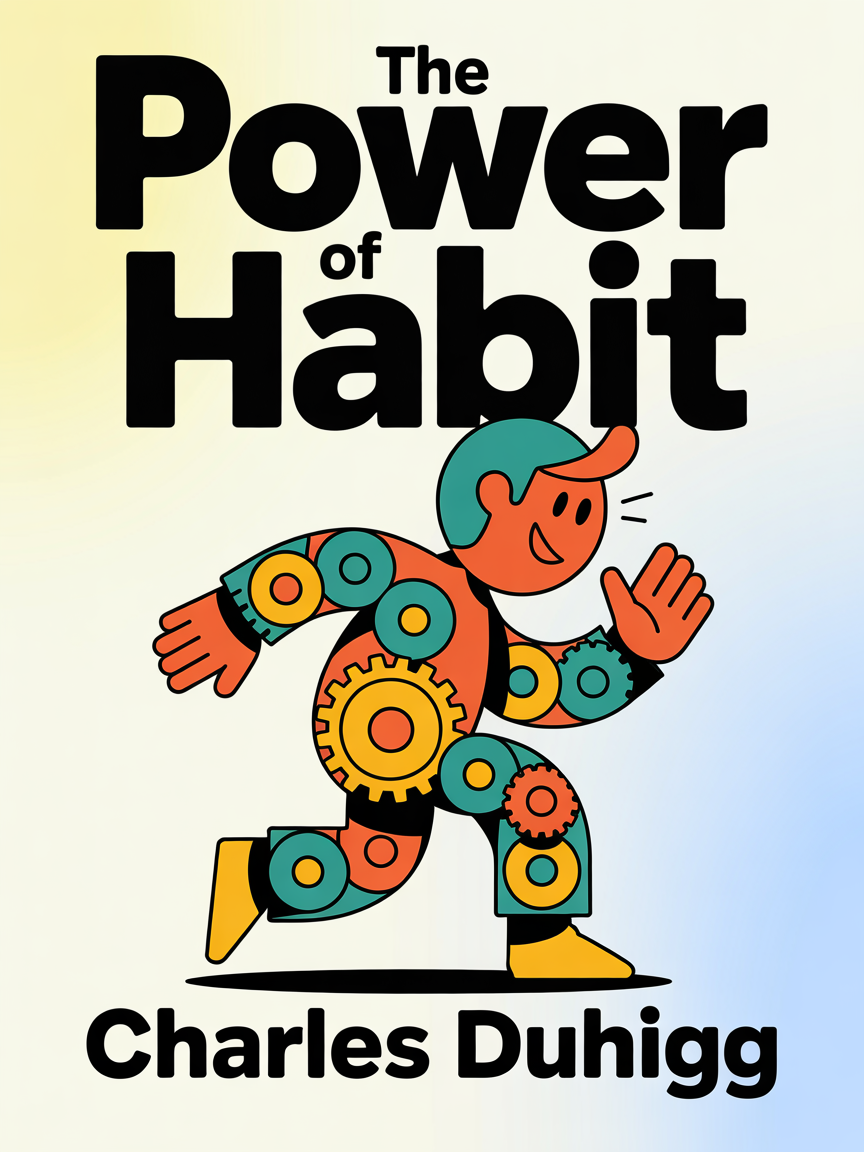
Description
Welcome to Winkist, where we simplify the world’s most powerful ideas. Today, we are exploring how habits shape every part of our lives. Have you ever wondered why it is so hard to stop eating junk food or why you automatically reach for your phone the moment you wake up? Most of what we do every day is not the result of careful choices. Instead, these actions are habits. While a single habit might not seem like much, over time, these small actions have a huge impact on our health, our productivity, and our happiness.
To change our lives, we first need to understand how a habit is formed. Researchers discovered that our brains are always looking for ways to save effort. If the brain can turn a repeated action into an automatic routine, it can focus its energy on other things. This process is called “chunking.” This is why you can drive a car or bake a cake without thinking about every tiny movement. If we didn’t have habits, our brains would shut down from the stress of having to make thousands of small decisions every hour.
Every habit follows a simple three-step loop. The first step is the cue. This is a trigger that tells your brain to go into automatic mode. It could be a sound, a specific time of day, or even an emotion like sadness. The second step is the routine. This is the physical or mental action you take. The third step is the reward. This is the “prize” that helps your brain figure out if this particular loop is worth remembering for the future. Over time, this loop—cue, routine, reward—becomes more and more automatic.
But why do habits feel so powerful? The secret lies in craving. Scientists studied monkeys to see how their brains reacted to rewards like juice. At first, the monkey’s brain only showed pleasure when it actually tasted the juice. But after the habit was formed, the brain showed pleasure the moment it saw the cue. The monkey began to anticipate the reward. This anticipation creates a craving. When we see a cue for a bad habit, our brain starts expecting the reward. If we don’t get it, we feel frustrated or grumpy. This is why it is so hard to resist a cookie or a cigarette once the habit is set.
The good news is that habits are not destiny. You can change them if you understand the “Golden Rule” of habit change. This rule says that you should keep the same cue and the same reward, but you must change the routine. For example, if you go to the cafeteria every afternoon because you are bored (the cue) and you want a social break (the reward), you might buy a cookie (the routine). To change this, you should still go to the cafeteria when you feel bored, but instead of buying a cookie, you could talk to a friend for ten minutes. You get the same social reward, but you’ve replaced the unhealthy routine.
However, changing a routine is sometimes not enough. For a habit to truly stick, especially during stressful times, you need belief. You have to believe that change is possible. This is often why groups like Alcoholics Anonymous are so successful. They provide a community where people can see others succeeding. This shared belief gives individuals the strength to stay on track when life gets difficult. When you believe you can change, the new routine becomes a permanent part of who you are.
Not all habits are equal. Some habits are more important than others because they start a chain reaction. These are called “keystone habits.” A keystone habit is a small win that helps other good habits take root. For example, people who start exercising regularly often start eating better and becoming more productive at work, even if they didn’t intend to. This happens because the success of one habit gives them the confidence to tackle others. At Winkist, we believe that focusing on one small keystone habit, like making your bed every morning, can change your entire day.
One of the most important keystone habits is willpower. Many people think willpower is something you are either born with or you aren’t. But research shows that willpower is actually like a muscle. If you use it too much in one area, it gets tired. This is why you might find it harder to resist snacks after a long, stressful day at the office. However, just like a muscle, you can strengthen your willpower over time by practicing self-discipline in small ways. If you plan for difficult moments in advance, you can use your willpower more effectively.
Habits also exist inside big organizations. Companies have “organizational habits” that dictate how work gets done. Sometimes, these habits can be dangerous if they aren’t managed well. However, a crisis can be a great opportunity to change these habits. When things go wrong, people are more open to new ways of doing things. Great leaders use these moments to fix broken systems and create better routines that keep everyone safe and productive.
Businesses also use our habits to sell us things. Stores are designed to trigger our shopping habits. For example, most people turn right when they enter a shop, so retailers put their most expensive items there. They also track our data to figure out our personal habits. If a store knows you are about to have a baby, they will send you coupons for diapers. They often hide these specific ads among random items so you don’t feel like they are spying on you. They know that if they can get you to buy one thing, it will eventually become a habit.
Habits even play a role in how social movements start. When Rosa Parks refused to give up her seat on a bus, it wasn’t just a random act. She was part of a large social network with “strong ties” to many different groups. Her friends supported her because they knew her, but the movement grew because of “weak ties.” This is the peer pressure we feel when we see everyone else in our community doing something. When a movement becomes a habit for a whole community, it becomes an unstoppable force for change.
In the end, we are responsible for our habits. While it is true that many of our actions are automatic, once we understand how the habit loop works, we have the power to change it. We can identify our cues, look for our rewards, and choose better routines. It takes work and it takes time, but by mastering our habits, we can design a life that leads us toward our goals. Thank you for joining us at Winkist. We hope these insights help you build a better, more intentional life starting today.