Description
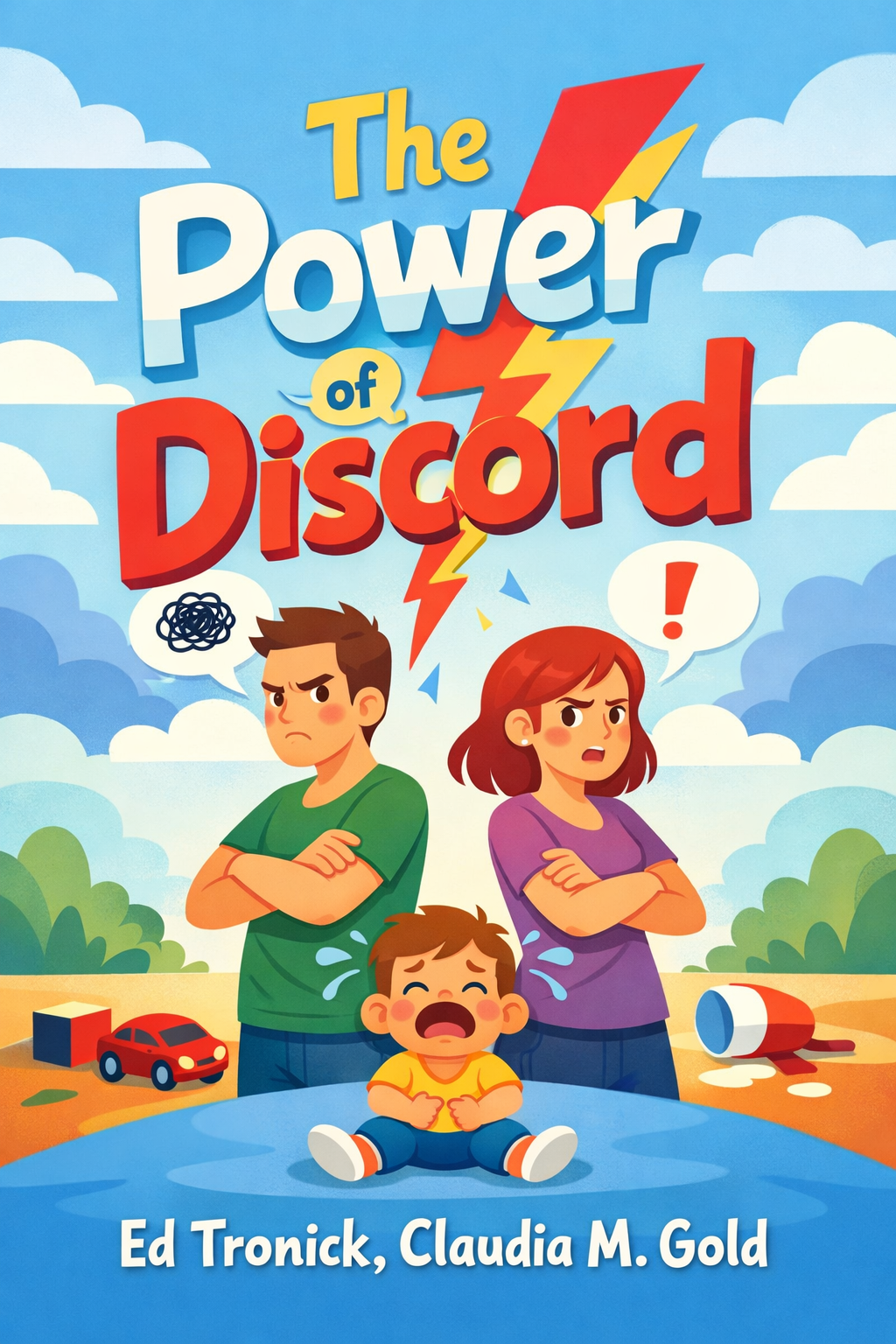
We often view conflict and awkward moments in our closest relationships as problems to be avoided, signs that something is broken. A more transformative perspective reveals that these moments of discord are not only normal but fundamentally necessary. Groundbreaking research into human connection shows that even the healthiest bonds are out of sync a remarkable seventy percent of the time. The magic, and the source of real growth, lies not in avoiding these mismatches but in the process of repairing them. This cycle of disconnect and reconnect is the hidden engine of trust, intimacy, and personal resilience.
From our earliest days, we are wired to learn through discord. The famous “still-face” experiment, where a parent briefly becomes unresponsive to an infant, starkly illustrates a child’s distress at a broken connection. But the critical lesson comes in the aftermath: when the parent re-engages with warmth, the repair process itself builds the infant’s sense of security and trust in the relationship. This pattern establishes a core life lesson—that distress can be managed and connection can be restored. Those who experience consistent repair develop an open, hopeful approach to relationships, confident in their ability to navigate inevitable friction. Conversely, a lack of repair leads to guardedness and a scarcity of strategies for handling conflict, making relationships feel fragile and threatening.
This necessity for imperfection extends to our very development. The pediatrician D.W. Winnicott introduced the concept of the “good enough” parent, one who gradually and appropriately fails to meet a child’s every need. These small, manageable disappointments are not neglect; they are vital opportunities. They allow a child to develop crucial self-regulation skills, learning to tolerate frustration and soothe themselves. Just as slight errors in the replication of ancient macromolecules created the diversity necessary for life, these relational “mistakes” create the psychological complexity necessary for a resilient, adaptable self. Our modern culture, however, bombards us with images of perfect harmony, stigmatizing discord and making us feel inadequate when our own relationships hit predictable rough patches. This cultural myth robs us of the practice we need to become skilled navigators of human complexity.
The chaos of relational mess only finds meaning through a process called regulation. When we face conflict, our capacity for self-regulation—feeling strong emotions without being overwhelmed by them—creates a space for reflection. It allows us to step back from immediate reactions and consider what the discord reveals about our needs, values, and patterns. This is different from rigid self-control; it is the ability to be in the emotional storm while still holding the helm. This regulatory ability is forged in the furnace of repair. Each time a caregiver soothes a distressed baby, or partners resolve a misunderstanding, the nervous system learns that disconnection is temporary and survivable. We build an internal template that says, “We can get through this.” This transforms random distress into a meaningful pattern of rupture and repair, a narrative that builds trust in a relationship’s durability.
This foundational work of repairing everyday discord directly builds our resilience for life’s larger challenges—loss, trauma, and profound crisis. Every repaired mismatch is a small rehearsal, teaching us that emotional discomfort has a beginning, a middle, and an end. A toddler soothed after a tantrum, a teenager reconnecting with a parent after an argument—each successful repair strengthens what Winnicott called the capacity for “going on being,” the ability to maintain our sense of self even in distress. It is important to distinguish this from toxic stress, which is overwhelming and unrepaired. Resilience is built from tolerable stress that is met with connection and repair. For those who missed early opportunities, the brain’s plasticity offers hope: every supportive relationship in adulthood provides a new chance to experience healing repair and build this essential resilience.
One of the most powerful and natural tools for navigating discord is play. From the universal game of peek-a-boo to imaginative role-playing, play allows us to explore the rhythms of connection and separation in a safe, low-stakes container. In peek-a-boo, a baby experiences the mild stress of a caregiver’s “disappearance” followed by the delightful relief of reunion, directly practicing the cycle of mismatch and repair. As we grow, play becomes a laboratory for social rules, empathy, and creative problem-solving in the face of conflict. It engages our whole being—body, emotion, and mind—providing both the energy and the information we need to handle real-world discord with more flexibility and joy.
Ultimately, healing our relationship with discord requires a conscious shift. We must move from seeing it as a threat to recognizing it as the source of connection’s deepest texture. This involves embracing vulnerability, tolerating the discomfort of not having immediate answers, and prioritizing the repair process over the fantasy of perfect harmony. By reframing our perspective, we can stop avoiding difficult conversations and start seeing every argument, every misunderstanding, and every moment of friction as an opportunity. These are the moments where trust is truly forged, intimacy is deepened, and we build the resilient selves capable of weathering life’s storms, together. The goal is not a relationship without discord, but a relationship skilled in the beautiful, necessary art of repair.