Description
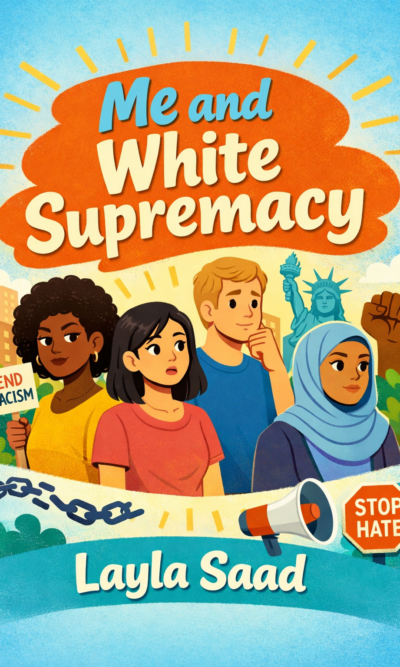
Our world often feels fractured, with deep divides separating communities and individuals. This division stems from a fundamental human behavior: othering. Othering is the process of treating groups of people as fundamentally different and less worthy than ourselves. It is not an innate human trait but a learned pattern, reinforced by the stories societies tell about who belongs and who does not. We see this in racism, sexism, homophobia, and countless other prejudices, where one group uses perceived difference to justify exclusion or mistreatment. This drive often comes from a misplaced desire for belonging, seeking unity within a group by pushing others out. However, this creates a false and fragile connection, as it is built on opposition rather than genuine community.
Our perceptions are powerfully shaped by our existing beliefs, a phenomenon known as confirmation bias. We do not see the world objectively; instead, we interpret events and people through the lens of what we already assume to be true. Research shows how stereotypes can literally alter what we see, priming us to perceive threat or incompetence where we expect to find it based on someone’s identity. These judgments often categorize people along two axes: perceived warmth and perceived competence. Groups deemed lacking in either are systematically marginalized through a process called breaking. Breaking is the active enforcement of separation, turning subjective bias into concrete barriers that prevent full participation in society.
Breaking manifests in two primary forms. Soft breaking is exclusion disguised as care or protection. It includes patronizing attitudes, such as assuming an elderly person cannot manage their affairs or praising women as nurturing while denying them leadership roles. It can also be conditional inclusion, where someone is accepted only if they hide core aspects of their identity to conform to the dominant group’s norms. Hard breaking is overt and hostile rejection. It employs fear, hatred, and physical or legal barriers to completely shut groups out, using dehumanizing language and policies to justify segregation and violence. Both forms, whether subtle or blatant, serve to maintain rigid boundaries between “us” and “them.”
The true antidote to this cycle is to aspire to a form of belonging that does not require othering. Authentic belonging is not about fitting into a pre-existing mold or finding a group to hide within. It is the democratic right to have a voice and help shape the society you live in. This means moving beyond mere inclusion—where outsiders are asked to assimilate—toward co-creation, where everyone contributes to defining the rules and structures of community. Achieving this requires accepting that power must be shared, that no single group should permanently sit at the top or the bottom, and that inviting everyone to the table will inevitably transform society itself. This transformation, while unsettling to some, is the very point of progress.
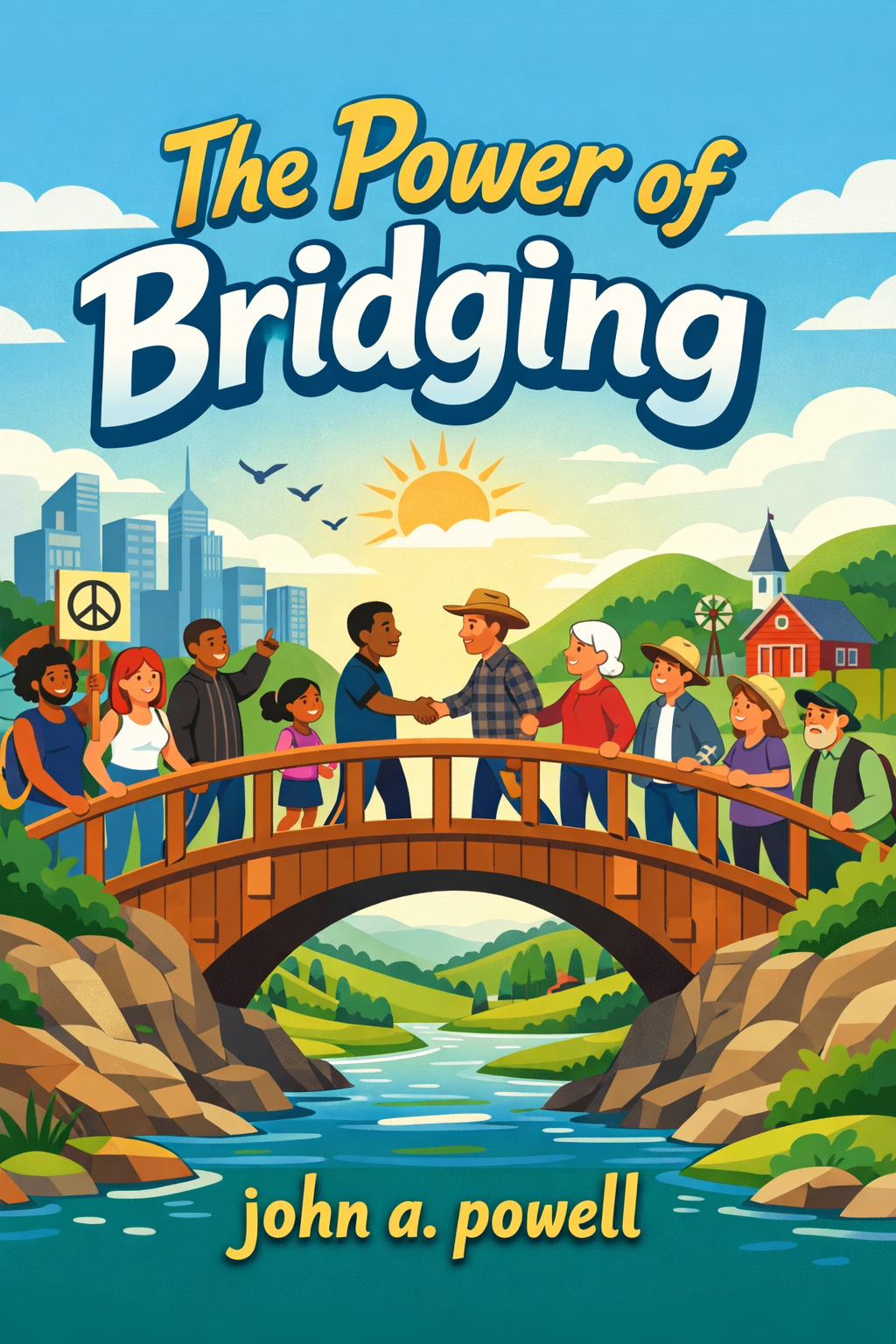
Bridging is the practical action that makes this expansive belonging possible. If belonging is the destination, bridging is the journey. It begins with storytelling that acknowledges complexity and shared humanity. Instead of presenting a single, competitive narrative of grievance, bridging involves sharing one’s own struggles while leaving space to recognize the challenges of others. This builds empathy and finds common ground for collective action. For instance, advocating for educational justice can bridge across racial lines by acknowledging how underfunded schools harm many communities, while still being specific about unique racialized barriers.
Bridging is especially powerful for marginalized groups, as it breaks the cycle of perpetuating the very exclusion they suffer. It also builds stronger, more unified movements by navigating internal differences. This requires embracing intersectionality—the understanding that each person holds multiple, overlapping identities. A person can be marginalized in one context and hold privilege in another. Recognizing this complexity allows for connection across seemingly fixed political or social lines, finding unexpected allies and building solidarity based on specific shared experiences rather than broad, simplistic labels. Ultimately, bridging is a conscious choice to reach across the divides we have inherited or learned, to listen, to share, and to build a new, shared story of belonging for everyone.