Description
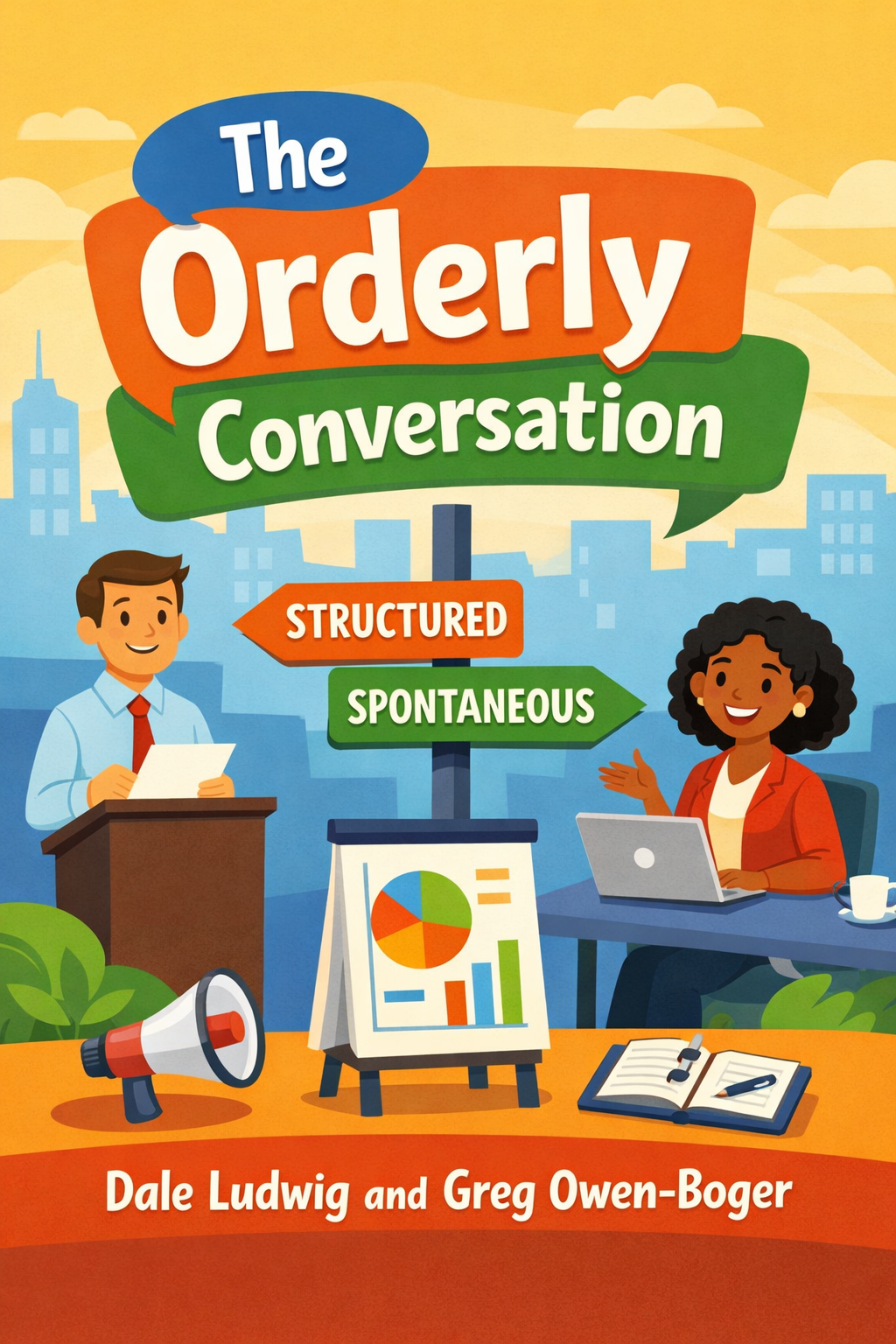
For many, the thought of public speaking conjures images of stiff performances, memorized scripts, and overwhelming anxiety. “The Orderly Conversation” dismantles this stressful paradigm, offering a refreshing and practical philosophy: a presentation is not a theatrical monologue but a guided dialogue. Success lies not in flawless execution of rigid rules, but in fostering a genuine, structured exchange with your audience. This approach transforms presenting from a solitary performance into a collaborative process, reducing speaker anxiety and dramatically increasing audience engagement and retention.
The book begins by challenging the very foundation of how we are taught to present. From school onward, we are judged on a checklist of delivery mechanics—posture, tone, eye contact—which often leads presenters into one of three ineffective personas. The “Dutiful Student” is so focused on checking these technical boxes that they become disconnected from the room, delivering a sterile recitation. The “Entertainer” prioritizes charm and energy over substance, leaving the audience amused but uninformed. The “Nervous Perfectionist” rehearses to the point of rigidity, becoming flustered by any unexpected question or shift in the room’s energy. These archetypes fail because they prioritize the *appearance* of presenting over the core objective: the clear and resonant exchange of ideas.
To escape these traps, the core practice is to shift your focus entirely from yourself to your audience. The moment you become overly conscious of your own nervousness—a state likened to the disorienting mirrors of a funhouse—you lose connection. The antidote is deliberate, sustained eye contact. By looking at individuals and speaking to them as in a one-on-one conversation, you ground yourself in the present moment and create a feedback loop. You see their reactions, which allows you to adapt in real time. Complement this with intentional pauses. Silence is not your enemy; it is a powerful tool to gather your thoughts, emphasize a point, and give the audience time to absorb information. This combination of connection and composure forms the heartbeat of the orderly conversation.
Preparation remains crucial, but of a different kind. Instead of scripting every word, invest time in defining clear, audience-specific goals. Before opening a slide deck, use pen and paper to answer: What do I want my audience to *think, feel, and do* when we are done? This moves you from simply transmitting information to inspiring understanding or action. Next, deeply consider your audience. Ask: How well will they grasp this topic? This question helps you strip away jargon and unnecessary complexity. Then ask: How easy will it be to persuade them? This reveals preconceptions you may need to gently dismantle with evidence. This audience-centric planning ensures your content is relevant and resonant, not just a data dump.
Finally, structure your presentation to serve this conversational flow. The concept of “framing” is essential. Begin by using your opening moments—or slides—to answer four questions for your audience: Why are we here? What needs to be accomplished? How will we achieve it? What will you gain? This context eliminates confusion and aligns everyone from the start. Similarly, conclude by clearly signaling the end and offering a concrete, actionable takeaway. The visual aids you use in between, whether slides, charts, or whiteboards, should serve the conversation, not dominate it. Their purpose is to clarify and reinforce your points, not to act as a teleprompter. Design them for quick comprehension, not aesthetic perfection.
Ultimately, this book liberates presenters from the pressure of perfection. It argues that the magic of an effective presentation happens in the alive, adaptable space between the speaker and the listeners. By embracing the conversation—with its planned structure and its spontaneous turns—you build confidence, engage your audience on a human level, and ensure your ideas are not just heard, but understood and remembered. The goal is not to deliver a performance, but to lead a productive and meaningful exchange.
Book Title: The Orderly Conversation