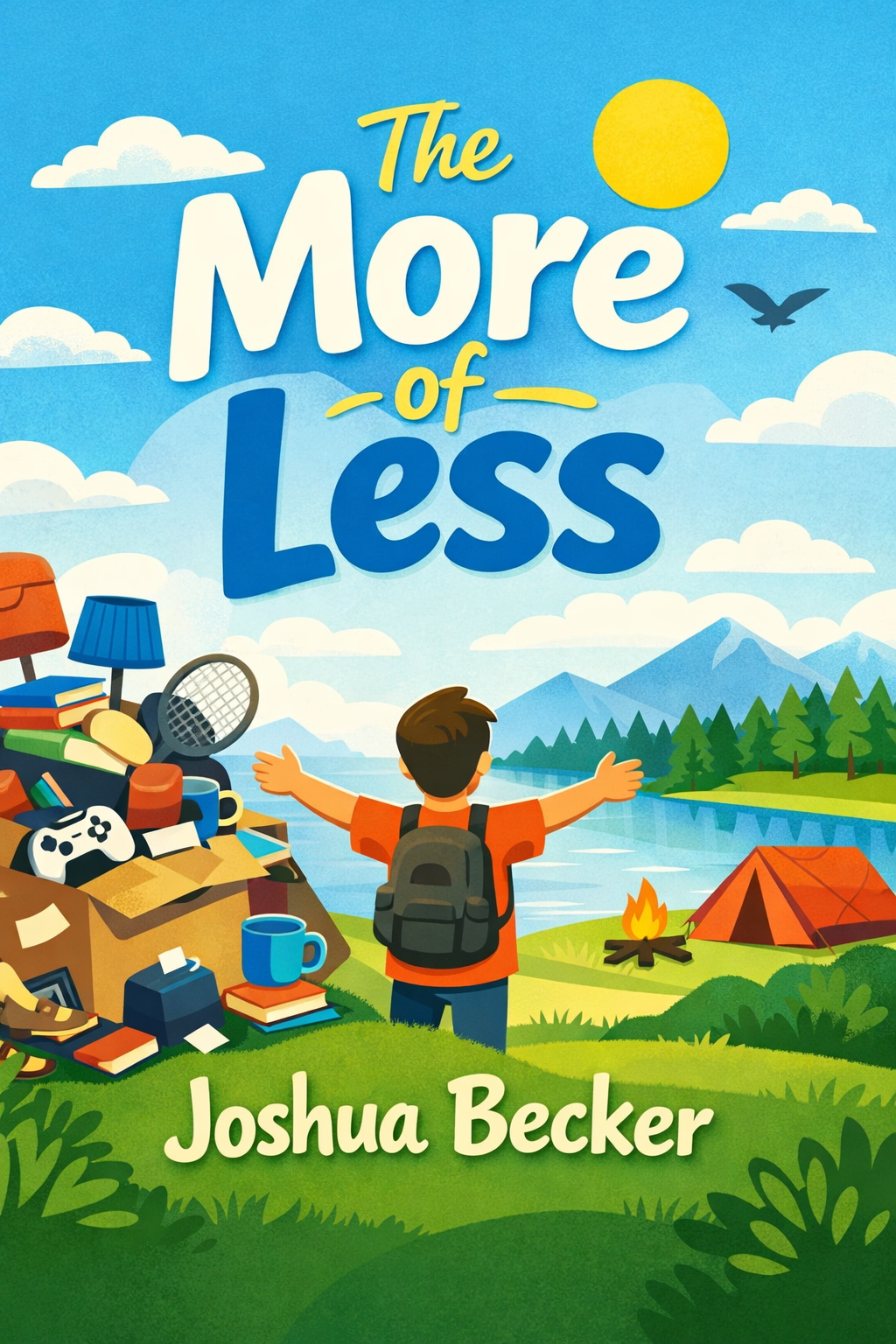
Description
In a world saturated with advertisements and the constant pressure to acquire more, Joshua Becker’s *The More of Less* presents a compelling case for a different way of living. The central argument is that our relentless pursuit of possessions is a flawed path to happiness, one that ultimately burdens us with clutter that drains our finances, energy, and attention. The solution offered is minimalism, not as an aesthetic of empty spaces or a life of deprivation, but as a intentional practice of removing excess to focus on what we genuinely value. This journey begins with a simple, powerful realization: our things often own us more than we own them.
Becker’s own shift started during a frustrating weekend cleaning his overstuffed garage, a task that stole time from his family. A neighbor’s casual remark about minimalism sparked an epiphany. He and his wife began to consciously reduce their belongings, a process he documented online, discovering a vast community yearning for the same freedom. This underscores a key principle: minimalism is deeply personal. It isn’t about adhering to a strict set of rules or living out of a single backpack, unless that serves your goals. For some, like a freelance journalist, it meant selling nearly everything to gain the flexibility of a global nomadic life. For others, like an empty-nest couple, it meant downsizing their home to redirect resources and mental space toward family, faith, and new creative pursuits. The common thread is the intentional trade: less clutter for more freedom, time, and clarity.
To embark on this path, one must first understand the forces that created the clutter. We live in a culture meticulously engineered to make us consume. From thousands of daily advertisements to the psychological pull of a “sale,” our spending habits are powerfully shaped. The book illustrates this with the story of a couple who discovered their small, frequent online purchases totaled a staggering sum over years—money that could have funded their dream family vacation. This mindless accumulation is the norm; the average home now contains a bewildering number of items, necessitating larger houses and rented storage units. Recognizing this influence is the first step in reclaiming autonomy over what we bring into our lives.
Starting the practical work of decluttering can feel overwhelming. The book advises beginning with clear, personal motivations. Ask yourself what you hope to gain: financial freedom, less stress, more time for hobbies or family? Holding onto this “why” provides essential fuel. Then, start with the easiest categories. Don’t begin with your emotionally charged photo albums or your child’s treasured toys. Start with the junk drawer, the expired pantry items, or the car full of old CDs and broken sunglasses. This creates quick wins and builds momentum. The goal is progress, not perfection.
The greater challenge lies in items with sentimental value. Here, the approach must be more thoughtful. The key is to curate, not to purge mindlessly. With books, for instance, instead of seeing a library as a monument to your intellect, keep only the titles you truly love or will reread. Let the others go to new readers. For other keepsakes, identify the few that most powerfully evoke the memory or person you cherish. Often, the memory resides in you, not the object. If you fear regret, experiment. Box items up and store them out of sight for a predetermined period. If you don’t need or miss them, you have your answer. This process isn’t about loss; it’s about distinguishing the essential from the peripheral in your own story.
True minimalism extends beyond a one-time purge. It requires navigating a consumerist world in a new way, building habits that protect your newfound space and focus. This means becoming a more conscious consumer, asking if a potential purchase aligns with your values before buying. It involves shifting your focus from accumulation to contribution. The money and time saved by not buying unnecessary things can be redirected toward generosity, experiences, and relationships, which are proven to yield deeper and more lasting satisfaction. This shift from “me” to “we” is where minimalism reveals its most profound joy.
Introducing this philosophy to a family, especially children, requires patience and communication. It’s not about imposing harsh rules, but about modeling values and setting thoughtful limits. It can involve conversations about advertising, experiences versus toys, and the joy of giving. The journey is gradual, a series of small, consistent choices that collectively steer your life toward greater purpose and peace. Ultimately, *The More of Less* frames minimalism not as an end goal, but as a tool. It is the deliberate practice of removing the unimportant to make room for what is truly important—be that relationships, passions, personal growth, or simply the peace to enjoy a quiet moment. It is the art of creating more life with less stuff.