Description
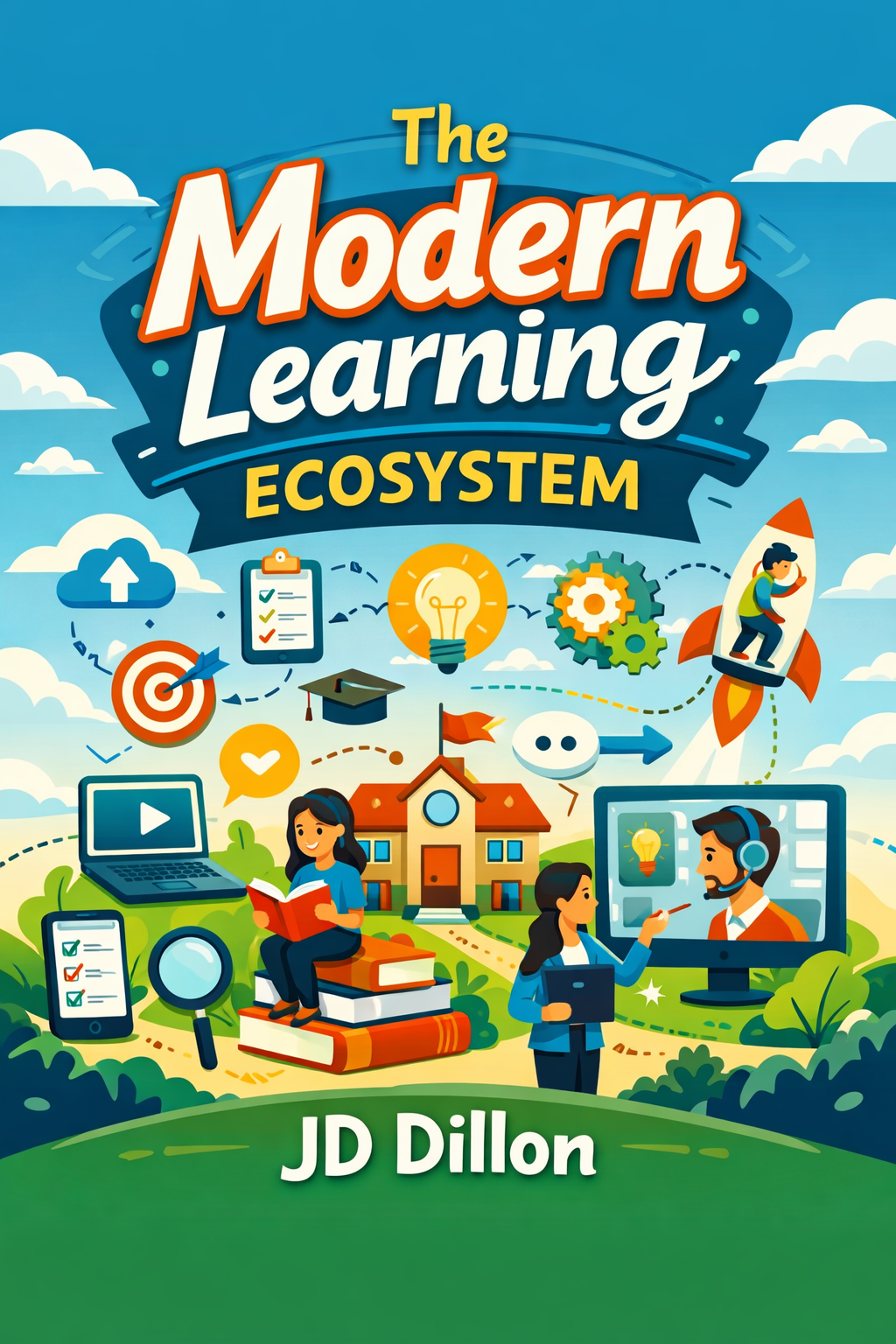
In a professional landscape defined by constant and often unexpected disruption, the traditional model of workplace learning is no longer sufficient. This book argues that to thrive amidst change, organizations must fundamentally rethink their approach, moving learning from a separate, scheduled event to an integrated, continuous part of the work itself. The central thesis is that by cultivating a modern learning mindset and implementing a structured Modern Learning Ecosystem (MLE), companies can transform their learning and development function from a cost center into a vital engine for agility, performance, and resilience.
The journey begins with a necessary shift in perspective. The modern learning mindset is built on six core principles: integrating learning seamlessly into work, leveraging all available tools and technology, using data to drive decisions, personalizing the learning experience, directly linking learning to job performance, and fostering organizational agility. This mindset is informed by established models like 70-20-10, which highlights that most learning happens through experience, and the “5 Moments of Need,” which pinpoint when support is most critical. The goal is to make learning a natural, common-sense extension of the workday, always available and directly relevant to the task at hand.
To operationalize this mindset, the book introduces the MLE framework, visualized as a layered structure prioritizing accessibility. The foundation and largest layer is Shared Knowledge. This is the organized, searchable reservoir of core information—the procedures, best practices, and foundational skills everyone needs. It moves beyond transient chat tools to create a persistent, reliable source of truth, preventing wasted time and inconsistent practices. Building this requires engaging the entire organization in content creation and curation, often using wiki-like platforms, and ensuring the knowledge is tailored and accessible to those who need it.
Sitting directly above this foundation is Performance Support, the “I need help right now” layer. When the shared knowledge base doesn’t provide a complete answer, performance support offers immediate, contextual aid to complete a specific task. This could be a quick-reference guide embedded in a software interface, a short instructional video, or a troubleshooting flowchart. The key is that it is designed into the workflow, appearing at the precise moment of need without requiring an employee to leave their work to search for a solution. These first two layers address the “nice-to-know” and immediate “how-to” information required for basic job competence.
The subsequent layers address the “need-to-know” elements for true excellence. Reinforcement is critical because, without it, even well-delivered training is quickly forgotten. Effective reinforcement embeds practice into the workflow through methods like simulations, reflective exercises, and spaced repetition, ensuring new skills and knowledge are retained and applied. Following this is Coaching, which recognizes the indispensable role of managers and peers in guiding development. Effective coaching provides personalized feedback, guidance, and support, helping employees navigate challenges and apply their learning in complex, real-world situations.
At the top of the framework are the more formal, structured elements: Pull Training and Push Training. Pull Training is available for employees to access on-demand when they identify a specific skill gap or interest, such as a self-paced online course library. Push Training is the traditional, scheduled formal training—the mandatory compliance course or new system rollout workshop. In the MLE, this formal training is intentionally positioned as a last resort, used only when the other, more integrated layers are insufficient for the learning need. This structure flips the traditional model on its head, placing the learner’s immediate context and availability at the center.
Finally, the book emphasizes that such a transformative approach must be measured not by traditional metrics like course completions, but by its impact on performance. Measurement should focus on how the ecosystem improves key business outcomes, such as increased productivity, higher quality work, reduced error rates, and greater employee adaptability. By tracking utilization of shared knowledge, the effectiveness of performance support, and the application of skills on the job, L&D can demonstrate its direct value in helping the organization not just survive disruption, but use it as a catalyst for growth. The ultimate vision is an organization where learning is invisible yet omnipresent—a natural part of the work environment that empowers every individual to perform at their best, today and in the future.