Description
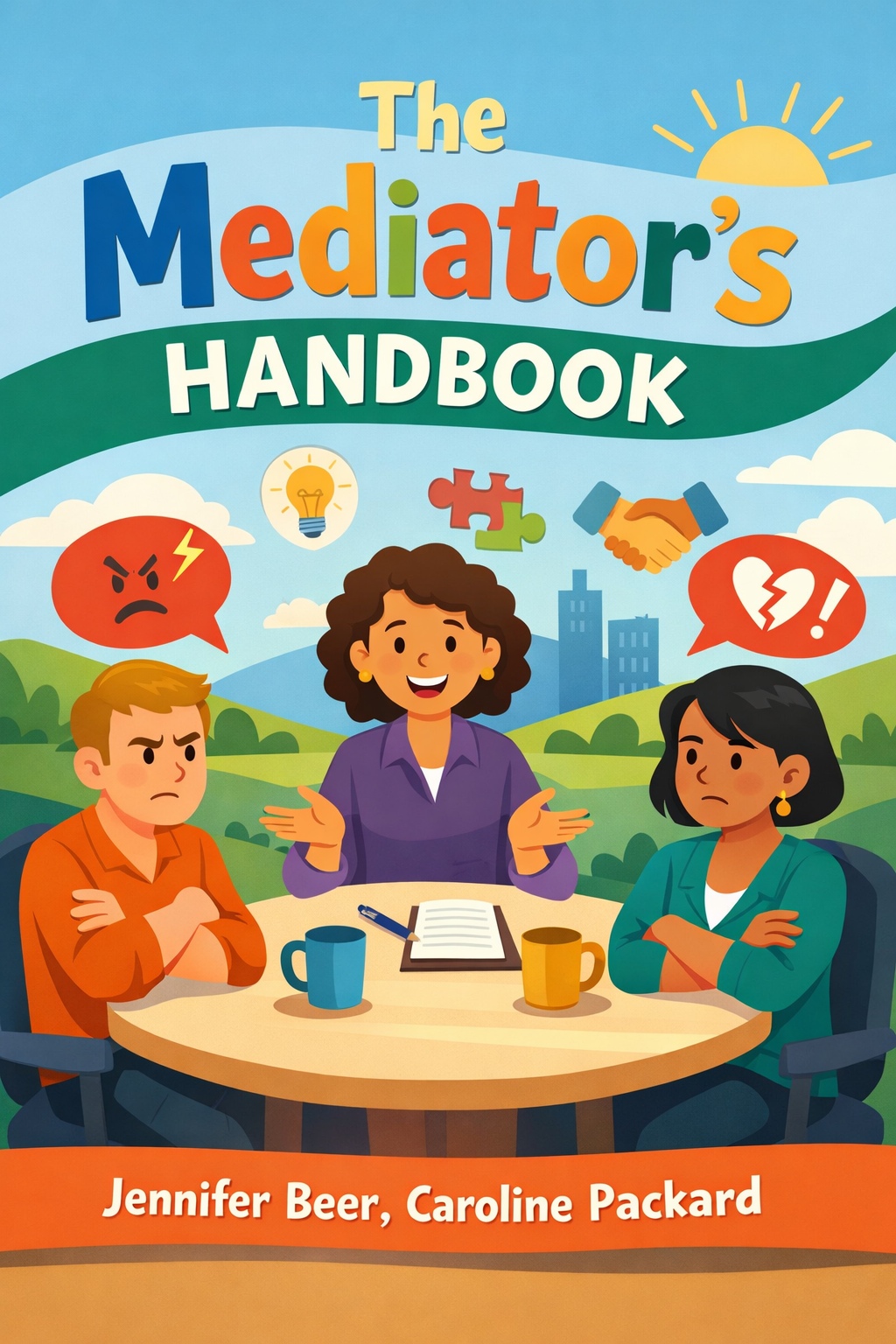
At its heart, mediation is the art of transforming conflict from a destructive force into a constructive conversation. This handbook serves as an essential companion for anyone tasked with guiding others through disagreement, whether in community disputes, workplace tensions, or family crises. It presents mediation not as a mysterious talent but as a learnable process built on a clear, repeatable structure. The mediator’s role is framed as that of a neutral facilitator—a guardian of the process, not an arbiter of the outcome. Their primary tools are not authority or advice, but questions, careful listening, and a steadfast commitment to helping parties hear and understand each other.
The process begins long before the parties sit down together, with careful preparation. This foundational stage involves understanding the nature of the conflict, selecting a suitable environment, and establishing initial contact with each person involved. The mediator must build a sense of safety and clarity about what to expect, setting the stage for a productive dialogue. A critical insight offered is the distinction between positions—what people say they want—and their underlying interests, needs, and concerns. Unearthing these deeper motivations is the key to unlocking solutions that rigid positions often keep hidden.
The core of the mediation unfolds in a series of stages, each with a distinct purpose. It typically opens with a joint session where the mediator sets the tone, explains the ground rules of confidentiality and respectful communication, and gives each party an uninterrupted chance to share their perspective. This “venting” phase is not merely cathartic; it allows the mediator and the parties to hear the full emotional and factual landscape of the dispute. The mediator’s skill here lies in listening actively, reflecting back what is heard to ensure understanding, and summarizing the issues without judgment.
Following this, the guide often explores the technique of private, confidential meetings with each party, known as caucuses. These sessions provide a safe space for individuals to express fears, brainstorm options, or reveal information they may not be ready to share in front of the other side. The mediator acts as a shuttle diplomat, testing ideas and exploring possibilities without breaking confidences. This phase is dedicated to generating options. Parties are encouraged to move beyond the binary trap of win/lose and brainstorm creative solutions that address the core interests of everyone involved. The handbook provides frameworks for moving from adversarial bargaining to collaborative problem-solving.
As potential agreements emerge, the mediator’s role shifts to helping the parties evaluate the practicality and fairness of each option. This involves reality-testing: asking questions that help people consider the consequences, sustainability, and real-world implications of a proposed solution. The goal is to arrive at a mutually acceptable agreement that is specific, balanced, and clear. The process culminates in formally capturing this understanding, often in a written memorandum. A well-crafted agreement details who will do what, by when, and how future communication or issues will be handled, turning a fragile understanding into a tangible plan.
Throughout this journey, the text emphasizes the human elements that make or break mediation. It delves into the psychology of conflict, exploring how emotions like anger, fear, and shame can hijack communication. Practical strategies are offered for managing high emotions, dealing with power imbalances, and working with parties who seem entrenched or unwilling to cooperate. Communication skills are broken down into actionable techniques: using open-ended questions, reframing hostile statements into neutral problem descriptions, and validating feelings without validating inaccurate claims.
Ultimately, this handbook is more than a manual; it is a philosophy of conflict. It argues that most disputes contain the seeds of their own resolution, if only the parties can be guided to a different kind of conversation. The mediator’s greatest power is their faith in the process and in the parties’ own capacity to find a way forward. By providing a sturdy framework and a wealth of nuanced guidance, this resource empowers practitioners to hold space for complexity, navigate turbulence, and facilitate the hard, rewarding work of building peace, one conversation at a time.