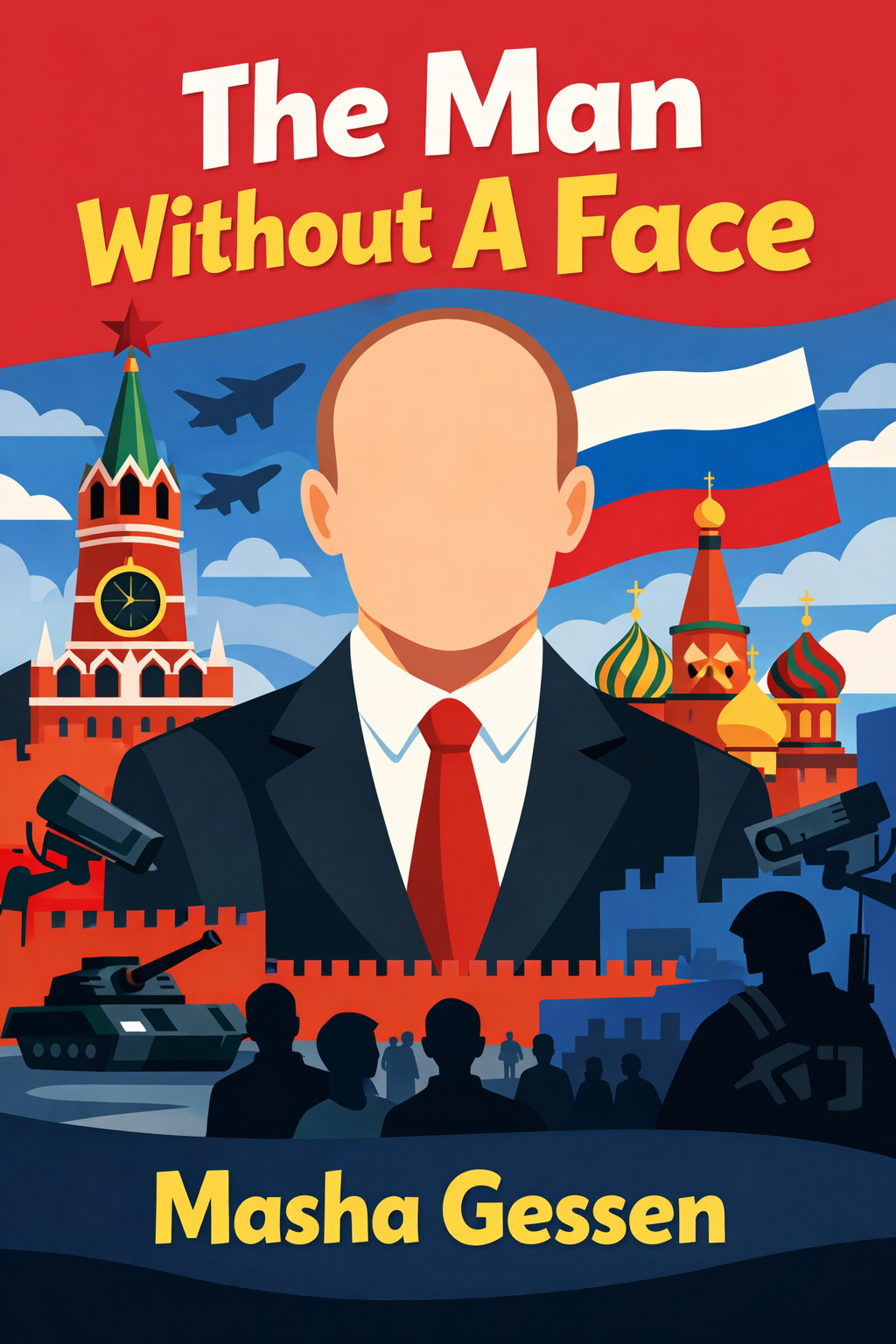
Description
The journey of Vladimir Putin from an obscure intelligence officer to the unchallenged leader of Russia is a tale of opportunism, cunning, and the systematic dismantling of democratic institutions. It begins in the harsh post-war landscape of Leningrad, where a young, combative Putin nurtured a singular dream of becoming a spy. His early life was marked by a quick temper and a drive that led him into the KGB, only to find himself mired in bureaucratic tedium, a minor functionary stationed in the backwater of Dresden. Here, he witnessed the seismic collapse of the Berlin Wall and the Eastern Bloc, an event that left him feeling abandoned by the Soviet state he served and instilled a deep-seated resentment towards Western-aligned political change.
Returning to a homeland in chaotic flux, Putin demonstrated a masterful instinct for political survival. He attached himself to Anatoly Sobchak, the mayor of Saint Petersburg, navigating the treacherous waters of the failed 1991 coup by carefully hedging his bets. During the tumultuous 1990s, as ordinary Russians endured economic agony, Putin and his associates learned to exploit the system’s weaknesses, engaging in shady commodity trades and amassing personal wealth and influence. This period was a formative education in the kleptocratic mechanics of power in the new Russia.
His big break came from the very top. As President Boris Yeltsin’s regime crumbled under the weight of corruption and economic disaster, Yeltsin and his inner circle, known as “The Family,” sought a reliable successor who would guarantee their immunity and protect their fortunes. They saw in Putin a seemingly loyal, disciplined, and uncharismatic bureaucrat—a safe pair of hands. With the kingmaking support of oligarchs like Boris Berezovsky, who helped craft a public image for him, Putin was swiftly elevated to Prime Minister and then, on the last day of 1999, acting President.
Putin did not wait to consolidate his authority. The Second Chechen War, marked by brutal tactics and a relentless media campaign framing it as an anti-terrorist operation, provided the perfect catalyst. The conflict allowed him to project an image of decisive strength to a war-weary populace and to centralize power under the guise of national security. From this foundation, he methodically constructed an authoritarian state. Independent media was silenced or brought under state control. Political opposition was marginalized, with critics facing legal harassment, imprisonment, or worse. The oligarchs who had helped him rise were given a stark choice: swear loyalty and hand over their assets to state-friendly management, or face exile and the loss of their empires.
The system that emerged is often described as a “mafia state,” where political power and vast economic resources are fused. Putin’s inner circle, comprised of former KGB colleagues and trusted associates from his Saint Petersburg days, now controls key sectors of the economy. The rule of law is subservient to the will of the leader, used as a weapon against enemies and a shield for allies. Through it all, Putin has cultivated a carefully controlled public persona—the action hero, the steadfast protector of Russian greatness—while ruthlessly eliminating any threat to his rule. The man who once burned files in a Dresden office now presides over a vast machinery of fear and patronage, his true face remaining as inscrutable and guarded as the impassive mask he presents to the world.
Book Title: The Man Without A Face