Description
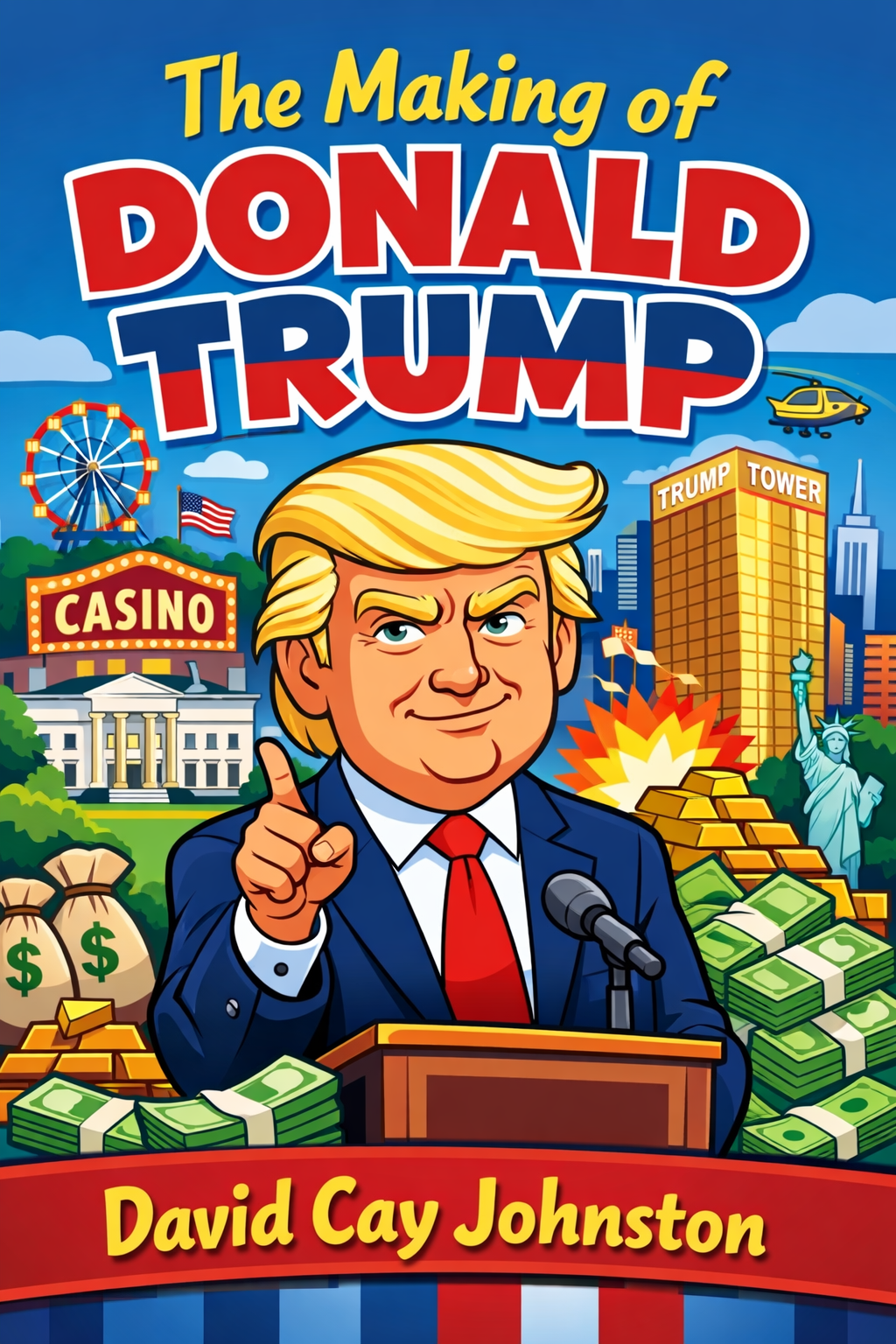
This examination delves into the foundations of Donald Trump’s rise, constructing a narrative far removed from his polished public image. It begins by exploring his masterful, decades-long relationship with the media. Trump is presented not as a passive subject of news coverage, but as an active architect of his own myth. He understood the pressures of journalism—tight deadlines, the need for a compelling story—and expertly fed outlets pre-packaged narratives designed to showcase his success and strength. From spinning legal settlements to staging events with paid attendees, he cultivated an image of a triumphant businessman. This manipulation extended to bizarre lengths, including Trump himself impersonating fictional spokespeople to plant flattering stories, a tactic he would later deny under oath.
To protect this carefully constructed facade, Trump employed intimidation as a primary tool. The threat of costly, draining lawsuits became a weapon to silence critics and discourage journalists from probing too deeply. Even when legal actions were ultimately dismissed, their purpose was often achieved: to inflict financial and emotional misery on those who challenged his claims. This defensiveness was particularly acute regarding his wealth, where alleged figures were presented as monumental, while documented evidence suggested more modest realities. When confronted with inconvenient facts, especially from his past, his strategy involved outright denial, followed by aggressive deflection, questioning the relevance or dignity of the inquiry itself.
Beneath the bravado lay significant gaps in knowledge, which Trump attempted to mask with bluster and invention. In both private conversations and public forums, when faced with unfamiliar subjects, he would confidently speak on topics he demonstrably did not understand, fabricating details or pivoting to tangential points. More troubling is his subjective relationship with facts themselves. Under oath, he suggested that even concrete figures like his net worth were not fixed but fluid, changing with his feelings about the economy. This reveals a worldview where truth is malleable, a personal interpretation rather than an objective standard.
This ethical flexibility translated directly into his business practices, which are detailed as rife with corner-cutting and illegality. The construction of Trump Tower, for instance, involved exploiting undocumented workers under dangerous conditions and violating labor laws, with payments delayed for nearly two decades. The venture known as Trump University stands out as a particularly fraudulent scheme, misleading students with false promises of elite instruction while delivering worthless seminars led by salespeople, all while defiantly ignoring legal orders to cease using the “university” name.
His pursuit of profit led him into alliances with a network of questionable figures, including known criminals and organized crime associates. Key among them was lawyer Roy Cohn, a former aide to Senator Joseph McCarthy, who served as a mentor and fixer. Cohn’s connections to mobsters proved instrumental in navigating union strikes during construction projects. Another associate, a convicted drug trafficker, received unusually lenient treatment from the courts after Trump personally interceded on his behalf, and later resided in a Trump property. These relationships illustrate a pattern of leveraging underworld connections for business advantage.
The portrait extends to his personal dealings, challenging the image of generosity. He is depicted as fiercely transactional, with his charitable giving often appearing calculated for public relations benefit rather than stemming from private philanthropy. Notably, he once withdrew medical support for a critically ill infant grandnephew, forcing the family into a public legal battle to restore the funds. A driving force throughout his career and personal life is revealed to be a powerful thirst for revenge. He is shown to harbor grudges relentlessly and to pursue retribution against those he perceives as slights, a trait that shaped both his business negotiations and family dynamics.
Ultimately, this analysis pieces together a comprehensive profile of the man behind the brand. It depicts an individual whose success is built not solely on business acumen, but on a sustained campaign of image crafting, factual distortion, legal bullying, and unethical partnerships. The narrative suggests that the persona presented to the public—the savvy, self-made billionaire—is a carefully maintained fiction, one that obscures a much more complex and troubling reality of how power and influence were accumulated.