Description
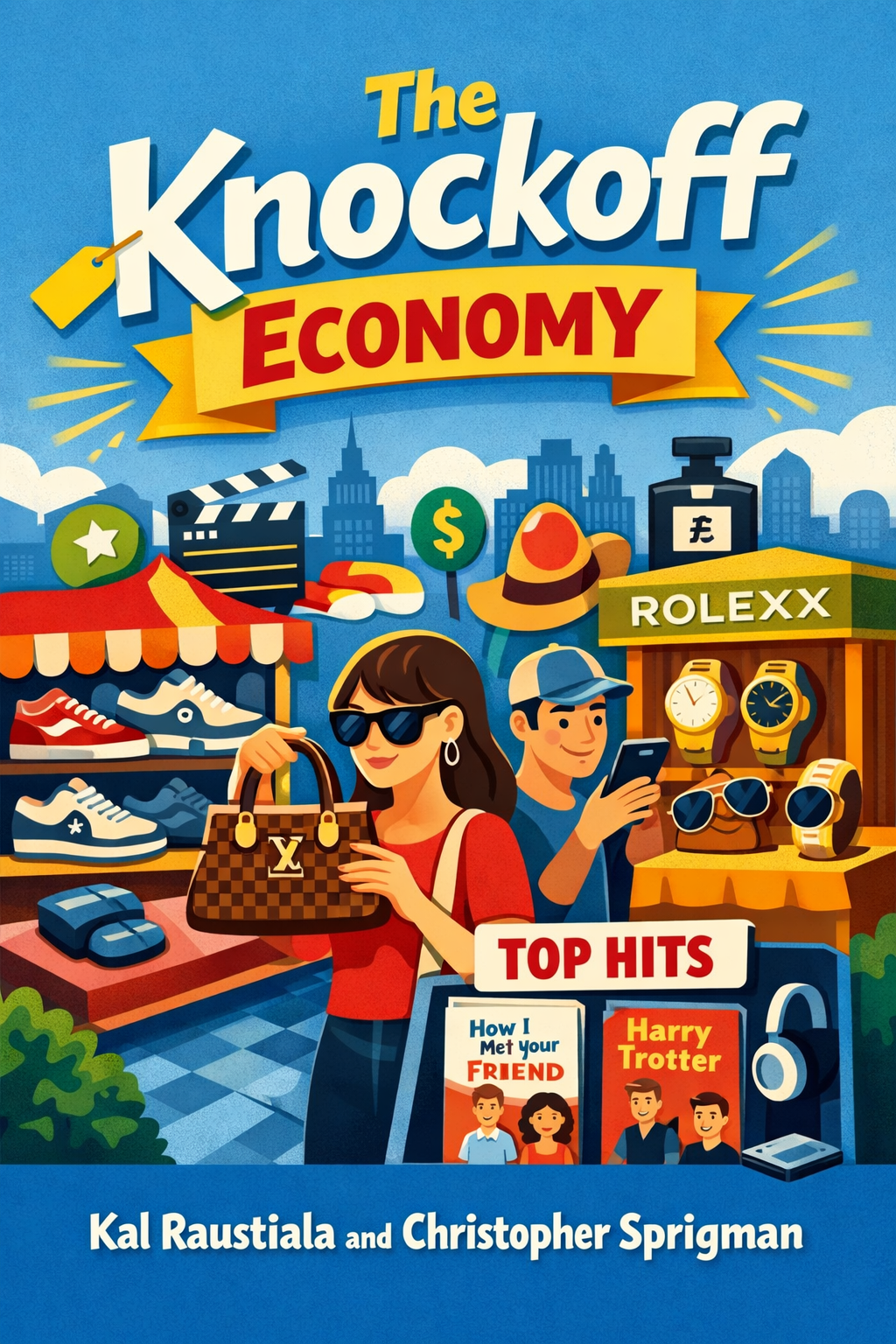
A common belief holds that copying is the enemy of innovation, that to protect creativity we must fiercely guard original ideas. This book challenges that assumption head-on, presenting a compelling case that imitation is not a destructive force but a vital engine for progress across a surprising range of fields. The narrative invites us to reconsider the relationship between copying and creating, arguing that in many vibrant industries, the freedom to imitate actually accelerates innovation rather than stifling it.
Consider the world of high fashion, an industry built on trends that are instantly copied and disseminated. One might assume this rampant imitation would destroy the original designers, yet the opposite is true. High-end brands continue to thrive, selling garments at premium prices even as cheaper versions flood the market. The cycle of copying, in fact, fuels the entire system. When a design becomes too common through imitation, it loses its exclusive appeal, pressuring designers to innovate and create the next new thing. This constant churn, driven by copying, is what keeps fashion dynamic and creatively alive. Similarly, the culinary world operates with minimal protection for recipes. A celebrated dish like Thomas Keller’s “Oyster and Pearls” has been widely replicated, yet this imitation only solidified Keller’s reputation as a pioneering chef, bringing him greater recognition and success. Creativity in the kitchen flourishes precisely because chefs freely build upon a shared, cumulative foundation of techniques and ideas.
The book delves into fields where copying isn’t just tolerated but is the fundamental mechanism of creation. Open-source software, where code is freely shared and modified, powers a significant portion of the internet. Programs like Linux and Apache succeed because they are open to being copied and improved by a global community of developers. This model stands in stark contrast to the guarded, proprietary approach and has yielded incredibly robust and innovative tools. The story of encyclopedias offers another powerful example. Wikipedia, built by volunteers whose contributions can be freely copied, utterly eclipsed Microsoft’s protected Encarta, demonstrating that collaborative, open models can outperform traditional, closed systems in both scale and impact.
History is replete with innovators who were masterful tweakers. Thomas Edison’s famous lightbulb was not a bolt from the blue but a superior iteration built upon the work of many predecessors. This process of copying and tweaking is a primary driver of improvement. The evolution of typefaces illustrates this beautifully. With fonts largely unprotected by copyright, designers have been free to modify existing ones, leading to an explosion of creativity. From just a few thousand fonts decades ago, we now have over a hundred thousand, each a variation that serves a slightly different aesthetic or functional need. This competitive tweaking pushes entire industries forward.
A fascinating insight is that formal laws are not always necessary to regulate copying. Many industries develop their own effective social norms. Stand-up comedians, for instance, have a powerful, unwritten code against joke theft. Violators face severe professional ostracism and reputational damage, as happened to a comedian accused of lifting material. In haute cuisine, chefs borrow ideas extensively but with an understood etiquette of acknowledgment and subtle transformation, rarely copying a recipe exactly. Consumers also play a role in this ecosystem. They can often distinguish between an original and a cheap knockoff, and they value the social status and authenticity associated with the genuine article. The experience of carrying a real Louis Vuitton bag is intrinsically different from carrying a copy, and that perceived value protects the original.
Looking forward, the argument suggests that businesses must learn to harness imitation rather than futilely fighting it. In competitive sectors like technology and finance, success often comes from adeptly tweaking existing concepts. The first index fund was mocked as a folly, but after its strategy was copied and adapted by hundreds of competitors, it revolutionized investing. The company that pioneered it remains a leader by continuing to innovate within that now-copied framework. The music industry’s struggles with file sharing are not a sign of dying creativity but of a changing business model. While traditional revenue streams for record labels have shrunk, artists like Radiohead have found new ways to connect with audiences and prosper, proving that the creative spirit adapts and endures.
Ultimately, this book presents an optimistic vision. Creativity is a resilient and adaptable force. The knockoff economy, far from being a parasitic shadow, is a parallel engine of innovation. It forces originators to keep moving, provides a foundation for newcomers to build upon, and satisfies markets that the original innovators cannot or will not serve. The future belongs not to those who hide their ideas behind the highest walls, but to those who understand that in a world of inevitable copying, the greatest advantage comes from continuously learning, adapting, and innovating on the ever-shifting foundation of what already exists.